Asteraceae
Butterbur: Ground Cover Plant
Petasites hybridus
Butterbur is a very low-maintenance and robust garden plant that thrives in moist, nutrient-rich soil in partial to full shade. It requires virtually no care other than controlling its aggressive spread—ideally, plant it in a confined area or buried in a large pot to prevent the rhizomes from taking over the garden bed.
Every 3 days
Low light
-30° - 30°C
60% - 90%
Categories
What is Butterbur?
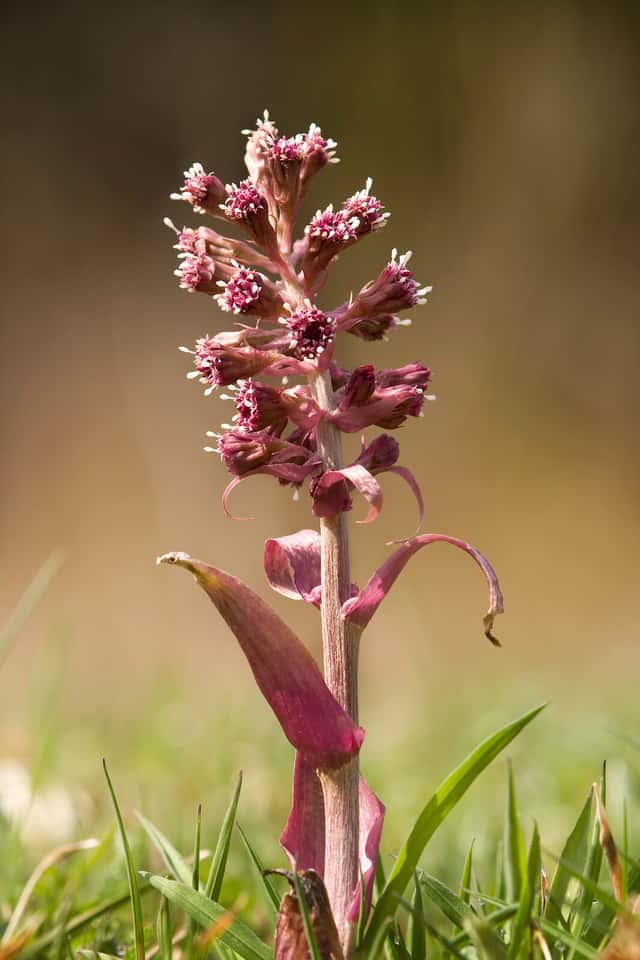
Butterbur (Petasites hybridus) is a easy-care plant from the Asteraceae family. Butterbur (Petasites hybridus) is a perennial herb in the Asteraceae family, known for its giant, heart-shaped leaves that can reach up to a meter in width. The plant blooms in early spring, often before the leaves emerge, with pinkish-purple inflorescences rising from the bare soil. Butterbur sprea...
Butterbur grows up to 1.0m, spread of 300cm, watering every 3 days, -30°C – 30°C, 60–90% humidity. It is not suitable for indoor environments and not safe for pets.
Unlike many tropical plants, Butterbur tolerates watering mistakes. Best for beginners. Without precautions, ingestion can cause irritation in pets. Keep out of reach of cats and dogs.
How to Care for Butterbur?
TLDR: Butterbur needs Low light, watering every 3 days, and temperatures between -30-30°C with 60-90% humidity.
How Often Should You Water Butterbur?
Keep the soil constantly moist, even waterlogged at times—butterbur is a moisture-loving riparian plant that dislikes drying out but tolerates temporary flooding well.
How Much Light Does Butterbur Need?
Thrives best in partial shade to full shade, for example under deciduous trees or on the north side of buildings; it can also handle full sun if the soil is kept sufficiently moist.
What Is the Best Soil for Butterbur?
Prefers deep, nutrient-rich, and moisture-retentive clay or humus-rich soil with a pH of 6–7.5; a good supply of organic matter promotes growth.
What Pot Should You Use for Butterbur?
Best grown directly in the ground or buried in a large, root-barrier pot without drainage holes at the bottom, as the species requires constantly moist soil and otherwise risks spreading uncontrollably via rhizomes.
What Is Butterbur and Where Does It Come From?
Butterbur (Petasites hybridus) is a perennial herb in the Asteraceae family, known for its giant, heart-shaped leaves that can reach up to a meter in width. The plant blooms in early spring, often before the leaves emerge, with pinkish-purple inflorescences rising from the bare soil. Butterbur spreads vigorously via creeping rhizomes and forms dense colonies along streams, rivers, and damp forest edges throughout most of Europe. The name refers to an old belief that the leaves and roots could cure the plague, as well as the historical use of the large leaves for wrapping butter and other goods.
How Big Does Butterbur Grow?
TLDR: Butterbur can reach up to 1.0m tall with Fast growth rate.
Max height
1.0m
Spread
3.0m
Growth rate
Fast
Foliage
Deciduous
Warning: Toxic Plant
This plant can be toxic if ingested. Keep out of reach of:
Plant Uses
Medicinal
Medicinal properties
Ornamental
Great for decoration
Ground Cover
Soil coverage
Medicinal Uses
- Traditionally used for migraines and headaches
- Used for allergic rhinitis (hay fever)
- Purified PA-free extracts have been studied for respiratory issues and gastrointestinal cramps
Is your plant showing symptoms?
Click on the symptom to discover possible causes:
What Diseases Commonly Affect Butterbur?
TLDR: Butterbur is susceptible to 3 known diseases. Monitor regularly for early detection.
Rust
Rust is a common fungal disease caused by fungi in the order Pucciniales that affects a wide variety of plants. The disease gets its name from the characteristic orange, yellow, or reddish-brown pustules that appear on leaves, resembling metal rust. This obligate fungal parasite requires living plants to survive and can cause significant economic losses in agricultural crops.
Aphids
Aphids are small, soft-bodied, pear-shaped insects (1/16 to 1/8 inch long) that feed by sucking nutrient-rich sap from plants. They reproduce rapidly and can quickly weaken plants, causing distorted growth and transmitting plant viruses. Aphids come in various colors including green, black, red, yellow, brown, and gray. They secrete honeydew, a sticky substance that attracts ants and encourages sooty mold growth.
Slugs and Snails
Slugs and snails are mollusks that feed on plant tissue, causing irregular holes in leaves and damage to young seedlings. They are most active at night and in moist conditions, leaving characteristic silvery slime trails. These pests can quickly devastate gardens, especially during wet seasons.
Meaning & Symbolism
In folklore, butterbur is associated with protection and healing—the name refers to an old belief that the plant could cure the plague, and the large leaves have historically symbolized protection and care.
Compare with similar plants
| Attribute | Difficulty | Light | Watering | Pet Safe |
|---|---|---|---|---|
| Field Maple | Easy | Bright indirect | 14d | ✓ |
| Silver Birch | Easy | Direct sun | 14d | ✓ |
| Common Blanketflower | Easy | Direct sun | 10d | ✓ |
| Cushion Bush | Easy | Direct sun | 14d | ✓ |





