Malpighiaceae
Murici: Edible Plant
Byrsonima verbascifolia
A heliophilic (full sun) plant, slow-growing and requiring minimal maintenance once established. It grows well in sandy, poor, and well-drained soil, and does not tolerate waterlogging. It is recommended for direct planting in the ground in gardens, orchards, and Cerrado restoration projects, and is not recommended for pots due to its deep root system.
Every 21 days
Direct sun
° - °C
% - %
Categories
What is Murici?
Murici (Byrsonima verbascifolia) is a medium-care plant from the Malpighiaceae family. The murici (Byrsonima verbascifolia) is a small shrub or tree, ranging from 1 to 6 meters in height, native to the Cerrado, Pantanal, Caatinga, and open areas of the Amazon and Atlantic Forest, also occurring in Bolivia, Colombia, Venezuela, the Guianas, and Trinidad. It is characterized by opposite...
Murici grows up to 6.0m, watering every 21 days. It is not suitable for indoor environments and safe for pets.
Unlike many popular species, Murici is safe to keep around pets.
How to Care for Murici?
TLDR: Murici needs Direct sun, watering every 21 days, and temperatures between 15-30°C with 40-70% humidity.
How Often Should You Water Murici?
Water regularly only while the plant is young, especially during long dry periods. Once established, it tolerates drought well and survives on rainwater alone; avoid waterlogging the soil, as this harms the roots.
How Much Light Does Murici Need?
Requires full sun, with at least 6 hours of direct sunlight per day, to grow, bloom, and fruit properly. It does not develop well in the shade.
What Is the Best Soil for Murici?
Prefers sandy, poor, and acidic soils, similar to those of the Cerrado, provided they are well-drained. Avoid clayey soils or those that retain water, as the plant does not tolerate waterlogging.
What Pot Should You Use for Murici?
Not recommended for container gardening due to its deep root system and tree-like habit; it develops best when planted directly in the ground in a sunny, open location.
What Is Murici and Where Does It Come From?
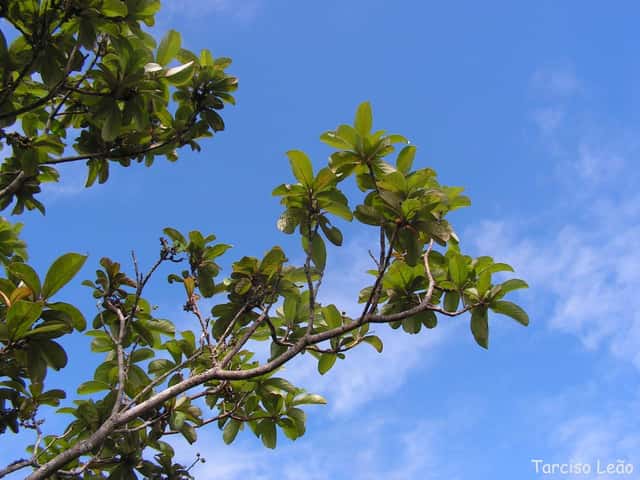
The murici (Byrsonima verbascifolia) is a small shrub or tree, ranging from 1 to 6 meters in height, native to the Cerrado, Pantanal, Caatinga, and open areas of the Amazon and Atlantic Forest, also occurring in Bolivia, Colombia, Venezuela, the Guianas, and Trinidad. It is characterized by opposite, oval leaves densely covered in fine hairs (tomentum), a twisted trunk 15 to 25 cm in diameter, and yellow flowers that turn reddish over time, gathered in small nectar-rich clusters. It blooms from July to November and bears fruit from October to December, producing small yellow globose fruits with sweet and acidic pulp, highly prized by birds, mammals, and the local population. It is an extremely fire-resistant species adapted to sandy, poor, and acidic soils typical of the Cerrado, surviving long periods of drought once established.
How to Propagate Murici?
Sowing
- The germination rate increases if seeds are planted immediately after harvest, as they lose viability quickly.
- 1 Collection and Cleaning
Harvest ripe fruits and remove the pulp to release the seed.
- 2 Breaking Dormancy
Natural germination is low (around 3%). Lightly scarify the seed or treat with gibberellic acid to improve the germination rate.
- 3 Planting
Sow about 3 cm deep in sandy substrate in a sunny location and keep slightly moist.
Materials needed:
Cuttings
- Method with a high success rate (~90%), preferably performed in summer.
- 1 Selection
Take herbaceous cuttings from young vegetative branches.
- 2 Hormonal Treatment
Treat the base of the cuttings with an IBA (indole-3-butyric acid) based growth regulator.
- 3 Rooting
Maintain under intermittent misting until rooting occurs.
Materials needed:
How Big Does Murici Grow?
TLDR: Murici can reach up to 6.0m tall with Slow growth rate.
Max height
6.0m
Growth rate
Slow
Foliage
Deciduous
Plant Uses
Ornamental
Great for decoration
Edible
Can be consumed
Medicinal
Medicinal properties
Medicinal Uses
- Root bark used in decoction to treat diarrhea due to its astringent action
- Root bark traditionally used against malaria
- Leaves and roots used for washing wounds due to their healing properties
- Leaf infusion traditionally used to relieve menstrual symptoms
- Bark used traditionally as a febrifuge, though potentially toxic in high doses
Culinary Uses
- Fresh fruit consumption
- Preparation of juices and pulps
- Jams and preserves
- Liqueurs
- Ice creams and desserts
- Dried fruits (murici-passa)
Is your plant showing symptoms?
Click on the symptom to discover possible causes:
What Diseases Commonly Affect Murici?
TLDR: Murici is susceptible to 2 known diseases. Monitor regularly for early detection.
Caterpillars
Caterpillars are the larval stage of moths and butterflies that feed voraciously on plant foliage, stems, flowers, and fruits. Common species include cabbage loopers, tomato hornworms, armyworms, and cutworms. These pests can cause extensive damage by consuming large amounts of plant tissue in a short time. They vary in size from small (1/4 inch) to large (5 inches), with colors ranging from green to brown, often featuring stripes or spots. Caterpillars are highly mobile and can quickly spread throughout gardens, making them one of the most destructive common pests.
Root Rot
Root rot is a serious fungal disease that affects the root system of plants, causing them to decay and die. It is primarily caused by overwatering, poor drainage, or soil-borne fungi such as Pythium, Phytophthora, Rhizoctonia, and Fusarium. The disease thrives in waterlogged conditions where roots are deprived of oxygen, making them susceptible to fungal infection.
Meaning & Symbolism
The murici symbolizes the resilience of the native Cerrado flora: it is one of the most fire-resistant species, resprouting after wildfires and surviving in poor soils where few plants can establish themselves.
Compare with similar plants
| Attribute | Difficulty | Light | Watering | Pet Safe |
|---|---|---|---|---|
| Dark Fieldcap | Medium | Low light | 2d | ⚠️ |
| Azalea | Medium | Partial shade | 3d | ⚠️ |
| Muriel's Bamboo | Medium | Partial shade | 3d | ✓ |
| Bougainvillea | Medium | Direct sun | 7d | ⚠️ |




