Brassicaceae
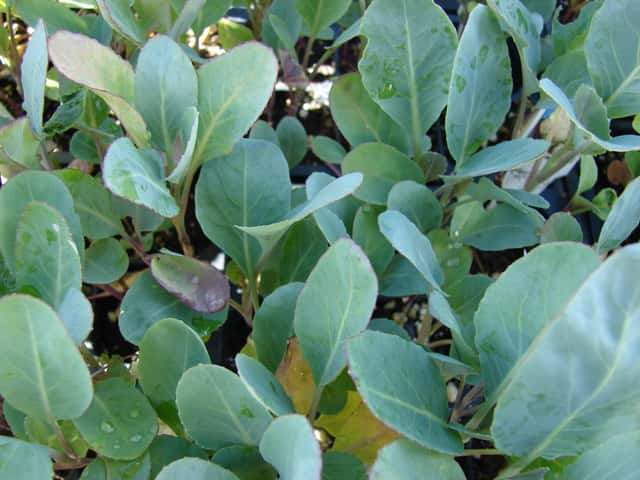
Cabbage — Brassica oleracea var. capitata
Brassica oleracea var. capitata
Cabbage thrives in full sun with fertile, well-drained, organically rich soil and consistent watering to keep the soil evenly moist. It is a cool-season crop, sensitive to heat, which can trigger premature bolting.
Every 3 days
Direct sun
7° - 24°C
% - %
Categories
What is Cabbage?
Cabbage (Brassica oleracea var. capitata) is a easy-care plant from the Brassicaceae family. Cabbage (Brassica oleracea var. capitata) is a biennial leafy vegetable of the Brassicaceae family, grown as an annual for its tightly packed head of leaves. Native to the Mediterranean coast and western Europe, it is one of the most widely eaten vegetables worldwide, used raw in salads, fermented i...
Cabbage grows up to 40cm, spread of 45cm, watering every 3 days, 7°C – 24°C. It is not suitable for indoor environments and safe for pets.
Unlike many tropical plants, Cabbage tolerates watering mistakes. Best for beginners. Unlike many popular species, Cabbage is safe to keep around pets.
How to Care for Cabbage?
TLDR: Cabbage needs Direct sun, watering every 3 days, and temperatures between 7-24°C with 40-70% humidity.
How Often Should You Water Cabbage?
Water deeply 2-3 times a week to keep soil evenly moist; avoid waterlogging or drought stress, both of which reduce head quality.
How Much Light Does Cabbage Need?
Needs full sun, at least 6 hours of direct light daily, to form firm, well-developed heads.
What Is the Best Soil for Cabbage?
Fertile, organically rich, well-drained soil with a pH between 6.0 and 6.8; work in compost or well-rotted manure before planting.
What Pot Should You Use for Cabbage?
Traditionally grown in open garden beds; if containerized, use a pot at least 30 cm (12 in) deep with good drainage.
Care Schedule
Fertilize
Every 21 days
What Is Cabbage and Where Does It Come From?
Cabbage (Brassica oleracea var. capitata) is a biennial leafy vegetable of the Brassicaceae family, grown as an annual for its tightly packed head of leaves. Native to the Mediterranean coast and western Europe, it is one of the most widely eaten vegetables worldwide, used raw in salads, fermented into sauerkraut, or cooked.
How to Propagate Cabbage?
Seed sowing
Harden off seedlings gradually outdoors before final transplanting to reduce transplant shock.
- 1 Sow seeds in trays about 1 cm (0.4 in) deep
- 2 Keep the growing medium moist until germination, in 7-10 days
- 3 Transplant seedlings to their final spot once they have 4-5 true leaves, spacing 30-45 cm (12-18 in) apart
Materials needed:
How Big Does Cabbage Grow?
TLDR: Cabbage can reach up to 40cm tall with Medium growth rate.
Max height
40cm
Spread
45cm
Growth rate
Medium
Plant Uses
Edible
Can be consumed
Medicinal
Medicinal properties
Medicinal Uses
- Rich in vitamin C, traditionally used to support immune health
- Leaves used topically in folk compresses to soothe inflammation
Culinary Uses
- Raw in salads and coleslaw
- Fermented into sauerkraut or kimchi
- Sautéed or used in soups
- Stuffed cabbage rolls
Is your plant showing symptoms?
Click on the symptom to discover possible causes:
What Diseases Commonly Affect Cabbage?
TLDR: Cabbage is susceptible to 8 known diseases. Monitor regularly for early detection.
Bacterial Leaf Spot
Xanthomonas is a group of bacteria that causes leaf spots and blights on many garden and indoor plants. It spreads through splashing water, wet tools, hands, and infected seed or cuttings. Early signs are small, water‑soaked spots that turn yellow, brown, or black; spots often have a yellow halo and can look angular because veins limit their shape. Leaves may yellow, tear, or drop; stems and fruit can develop dark, sunken lesions. Commonly affected plants include tomato and pepper, brassicas (such as cabbage), beans, citrus, orchid, philodendron, coleus, and many other ornamentals.
Downy Mildew
Downy mildew is a fungal-like disease caused by oomycetes (water molds) that thrives in cool, wet conditions. It affects a wide range of plants, causing yellowing leaves with fuzzy white-gray growth underneath, leading to defoliation and reduced yields if left untreated.
Alternaria Leaf Spot
Alternaria leaf spot is a common fungal disease caused by Alternaria solani and Alternaria alternata that affects a wide range of plants including tomatoes, potatoes, brassicas, and ornamentals. The disease thrives in warm, humid conditions and can cause significant crop damage if left untreated. Spores overwinter on plant debris and can attach to seeds, making complete elimination difficult.
Fusarium Wilt
Fusarium wilt is a serious fungal disease caused by the soil-borne fungus Fusarium oxysporum. The fungus invades roots and blocks the water-conducting vessels (xylem) of the plant, causing progressive wilting and eventual death. Host-specific forms of the pathogen exist that attack different plant species.
Meaning & Symbolism
In several European traditions cabbage is linked to prosperity and good luck, often eaten in New Year celebrations.
Fun Facts
Cabbage belongs to the same species as broccoli, cauliflower, and Brussels sprouts (Brassica oleracea)
A cabbage head can weigh from 0.5 kg to over 4 kg depending on the variety
Sauerkraut (fermented cabbage) has been eaten for more than 2,000 years
Frequently asked questions
How long does cabbage take to be ready for harvest?
Is cabbage toxic to cats and dogs?
Why do cabbage heads split?
What are the main cabbage pests?
Compare with similar plants
| Attribute | Difficulty | Light | Watering | Pet Safe |
|---|---|---|---|---|
| Field Maple | Easy | Bright indirect | 14d | ✓ |
| Silver Birch | Easy | Direct sun | 14d | ✓ |
| Common Blanketflower | Easy | Direct sun | 10d | ✓ |
| Cushion Bush | Easy | Direct sun | 14d | ✓ |





