Araliaceae
Cabbage Tree: Edible Plant
Cussonia spicata
It needs bright light to direct sun and very well-draining, moderately fertile soil. Water sparingly – allow the substrate to dry out at least halfway between waterings, as the trunk stores water reserves and the plant tolerates drought much better than waterlogging. It tolerates normal indoor humidity and moderate temperatures from 10 to 32 °C, but protect it from heavy frost.
Every 12 days
Bright indirect
10° - 32°C
30% - 60%
Categories
What is Cabbage Tree?
Cabbage Tree (Cussonia spicata) is a easy-care plant from the Araliaceae family. Cussonia spicata, known as the cabbage tree, is a fast-growing evergreen tree native to the wetter regions of Southern and Eastern Africa, where it occurs from dry forests to savannas at altitudes of 200 to 2,550 m. It is characterized by a thick, succulent trunk and large palmate leaves arranged in...
Cabbage Tree grows up to 15.0m, spread of 600cm, watering every 12 days, 10°C – 32°C, 30–60% humidity. It is suitable for indoor environments and safe for pets.
Unlike many tropical plants, Cabbage Tree tolerates watering mistakes. Best for beginners. Unlike many popular species, Cabbage Tree is safe to keep around pets. Without adequate drainage, root rot can develop within 24 days.
How to Care for Cabbage Tree?
TLDR: Cabbage Tree needs Bright indirect, watering every 12 days, and temperatures between 10-32°C with 30-60% humidity.
How Often Should You Water Cabbage Tree?
Water approximately every 10–14 days during the growing season and extend the interval to 2–3 weeks in winter. The trunk acts as a water reservoir, so it handles short-term drought much better than permanently wet soil.
How Much Light Does Cabbage Tree Need?
It thrives best in full sun or light partial shade, especially as a young plant. Indoors, provide the brightest spot possible – ideally near a south or west-facing window with strong indirect to gentle direct sun.
What Is the Best Soil for Cabbage Tree?
Use a high-quality, very well-draining substrate, such as a mix for cacti and succulents with added perlite; the plant originates from poor soils, so it does not tolerate heavy, compacted earth or waterlogging.
What Pot Should You Use for Cabbage Tree?
Choose a deep, stable ceramic or clay pot with sufficient drainage holes that can support the weight of the thick trunk and ensure rapid drainage of excess water.
Care Schedule
Fertilize
Every 30 days
Rotate
Every 14 days
Repot
Every 730 days
What Is Cabbage Tree and Where Does It Come From?
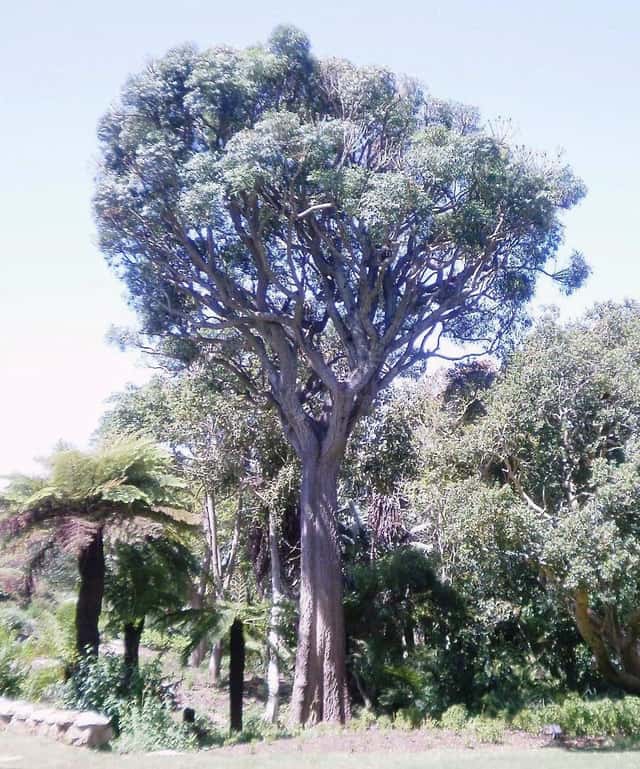
Cussonia spicata, known as the cabbage tree, is a fast-growing evergreen tree native to the wetter regions of Southern and Eastern Africa, where it occurs from dry forests to savannas at altitudes of 200 to 2,550 m. It is characterized by a thick, succulent trunk and large palmate leaves arranged in dense spherical clusters at the ends of the branches. At maturity, it grows up to 15 m tall and produces striking spike-like inflorescences of yellow-green color in summer, from which it received its specific name. Unlike many houseplants, it is not considered toxic to humans or pets.
How to Propagate Cabbage Tree?
Seed Sowing
- Seed freshness is key for successful germination.
- Avoid waterlogging, which causes seed rot.
- 1 Seed Preparation
Use fresh seeds cleared of pulp and soak them in lukewarm water for 24 hours before sowing.
- 2 Sowing
Sow shallowly into a well-draining, sandy substrate and keep moderately moist.
- 3 Germination and Care
Leave the seedlings in propagation trays for approximately one year until they develop a strong enough root system for transplanting into individual containers.
Materials needed:
How Big Does Cabbage Tree Grow?
TLDR: Cabbage Tree can reach up to 15.0m tall with Fast growth rate.
Max height
15.0m
Spread
6.0m
Growth rate
Fast
Foliage
Evergreen
Plant Uses
Ornamental
Great for decoration
Medicinal
Medicinal properties
Edible
Can be consumed
Medicinal Uses
- The succulent roots have been used in traditional African medicine to treat malaria
- The leaves are used to relieve digestive issues and bloating
Culinary Uses
- In some areas of Southern Africa, boiled roots are occasionally consumed as an emergency food source
Is your plant showing symptoms?
Click on the symptom to discover possible causes:
What Diseases Commonly Affect Cabbage Tree?
TLDR: Cabbage Tree is susceptible to 5 known diseases. Monitor regularly for early detection.
Spider Mites
Spider mites are tiny arachnids (less than 1/20 inch long) related to spiders and ticks that feed on plant sap. They thrive in hot, dry conditions and can cause significant damage to ornamental and vegetable plants. During severe infestations, crop losses can reach 14% or higher as these pests disrupt vital plant processes including photosynthesis, carbon dioxide absorption, and transpiration.
Mealybugs
Mealybugs are small, soft-bodied insects covered with a white, waxy, cottony material. They are common pests of houseplants and outdoor plants in mild climates. These sap-sucking insects feed on plant tissue, causing damage, stunted growth, and can lead to plant death if left untreated. They produce sticky honeydew which attracts sooty mold.
Scale Insects
Scale insects are small sap-sucking pests that appear as brown, shell-like bumps on plant stems and leaves. There are over 25 species, divided into armored (hard) and unarmored (soft) scales. They feed by piercing plant tissue and extracting sap, which weakens the plant and can lead to yellowing, stunted growth, and even death if left untreated. They also excrete honeydew, which attracts ants and promotes sooty mold growth.
Aphids
Aphids are small, soft-bodied, pear-shaped insects (1/16 to 1/8 inch long) that feed by sucking nutrient-rich sap from plants. They reproduce rapidly and can quickly weaken plants, causing distorted growth and transmitting plant viruses. Aphids come in various colors including green, black, red, yellow, brown, and gray. They secrete honeydew, a sticky substance that attracts ants and encourages sooty mold growth.
Meaning & Symbolism
In African culture, the cabbage tree is seen as a symbol of resilience and survival in dry conditions due to the trunk's ability to store water.
Compare with similar plants
| Attribute | Difficulty | Light | Watering | Pet Safe |
|---|---|---|---|---|
| Field Maple | Easy | Bright indirect | 14d | ✓ |
| Silver Birch | Easy | Direct sun | 14d | ✓ |
| Common Blanketflower | Easy | Direct sun | 10d | ✓ |
| Cushion Bush | Easy | Direct sun | 14d | ✓ |





