Taxaceae
California nutmeg: Edible Plant
Torreya californica
It requires a partially shaded or shaded, wind-protected location in loose, well-drained, humus-rich soil. It prefers consistently moist but never waterlogged soil; overwatering and poor drainage can lead to root rot. It is a slow-growing species that requires patience, capable of living for decades or even centuries under the right conditions.
Every 10 days
Low light
-18° - 35°C
50% - 80%
Categories
What is California nutmeg?
California nutmeg (Torreya californica) is a hard-care plant from the Taxaceae family. The California nutmeg (Torreya californica) is an evergreen, dioecious conifer in the yew family (Taxaceae), endemic to the California Coast Ranges and the western slopes of the Sierra Nevada. In its native habitat, it can reach heights of 15–27 meters with a broad, open, roughly conical crown; in t...
California nutmeg grows up to 27.0m, spread of 900cm, watering every 10 days, -18°C – 35°C, 50–80% humidity. It is not suitable for indoor environments and safe for pets.
Unlike easy-care plants, California nutmeg demands constant attention to humidity and light. Not recommended for beginners. Unlike many popular species, California nutmeg is safe to keep around pets.
How to Care for California nutmeg?
TLDR: California nutmeg needs Low light, watering every 10 days, and temperatures between -18-35°C with 50-80% humidity.
How Often Should You Water California nutmeg?
Keep the soil consistently moist but avoid waterlogged, stagnant moisture; established specimens planted outdoors can tolerate short periods of drought, but they specifically favor high humidity and moist soil conditions found near stream banks.
How Much Light Does California nutmeg Need?
It grows best in partial shade or as forest undergrowth in full shade; the hotter and sunnier the summer, the more shade it requires. In cooler climates, it can tolerate full sun if provided with sufficient moisture.
What Is the Best Soil for California nutmeg?
It can survive in sandy, loamy, or even clay soils as long as they are well-drained; it tolerates a wide range from slightly acidic to lime-rich, more alkaline soils. It develops best in loose soil enriched with organic matter.
What Pot Should You Use for California nutmeg?
For young, potted specimens, a deep, large-capacity pot with good drainage is recommended (via ample bottom holes), preferably unglazed terracotta to allow excess moisture to evaporate. The pot should be placed in a wind-protected, semi-shaded spot, as the species does not tolerate drafts well.
Care Schedule
Fertilize
Every 180 days
What Is California nutmeg and Where Does It Come From?
The California nutmeg (Torreya californica) is an evergreen, dioecious conifer in the yew family (Taxaceae), endemic to the California Coast Ranges and the western slopes of the Sierra Nevada. In its native habitat, it can reach heights of 15–27 meters with a broad, open, roughly conical crown; in the milder climates of the Carpathian Basin, it typically remains a slow-growing tree or large shrub of 5–15 meters. Its glossy, olive-green, 3–8 cm long, sharp-pointed needles emit a strong, spicy fragrance when crushed. Its plum-like, 3–4 cm seeds resemble nutmeg, which gives the species its common name. It develops as a shade-tolerant understory tree, and due to historical logging, its population has significantly declined, leading the IUCN to list it as a Vulnerable species.
How Big Does California nutmeg Grow?
TLDR: California nutmeg can reach up to 27.0m tall with Slow growth rate.
Max height
27.0m
Spread
9.0m
Growth rate
Slow
Foliage
Evergreen
Plant Uses
Ornamental
Great for decoration
Edible
Can be consumed
Medicinal
Medicinal properties
Medicinal Uses
- The seeds were traditionally chewed to relieve digestive complaints
- A decoction of the seeds was used to treat respiratory issues and symptoms associated with tuberculosis
- Crushed seeds were rubbed onto the temples to alleviate headaches
- Applied to the skin to induce sweating during feverish conditions and chills
Culinary Uses
- The seeds can be consumed either raw or roasted
- A flavorful, resinous-sweet cooking oil can be extracted from the seeds
- Traditionally used to flavor sweets due to its aroma reminiscent of nutmeg
Is your plant showing symptoms?
Click on the symptom to discover possible causes:
What Diseases Commonly Affect California nutmeg?
TLDR: California nutmeg is susceptible to 4 known diseases. Monitor regularly for early detection.
Root Rot
Root rot is a serious fungal disease that affects the root system of plants, causing them to decay and die. It is primarily caused by overwatering, poor drainage, or soil-borne fungi such as Pythium, Phytophthora, Rhizoctonia, and Fusarium. The disease thrives in waterlogged conditions where roots are deprived of oxygen, making them susceptible to fungal infection.
Phytophthora Root Rot
Disease caused by fungus-like organisms (oomycetes) that live in soil and can survive for years. It affects roots, stem, and crown of plants, being especially severe in waterlogged or poorly drained soils. It is the second most common cause of root rot in trees and shrubs.
Aphids
Aphids are small, soft-bodied, pear-shaped insects (1/16 to 1/8 inch long) that feed by sucking nutrient-rich sap from plants. They reproduce rapidly and can quickly weaken plants, causing distorted growth and transmitting plant viruses. Aphids come in various colors including green, black, red, yellow, brown, and gray. They secrete honeydew, a sticky substance that attracts ants and encourages sooty mold growth.
Spider Mites
Spider mites are tiny arachnids (less than 1/20 inch long) related to spiders and ticks that feed on plant sap. They thrive in hot, dry conditions and can cause significant damage to ornamental and vegetable plants. During severe infestations, crop losses can reach 14% or higher as these pests disrupt vital plant processes including photosynthesis, carbon dioxide absorption, and transpiration.
Meaning & Symbolism
The California nutmeg is a symbol of resilience and quiet perseverance: a slow-growing conifer that lives for centuries, it was pushed to the brink of extinction by logging, yet has been slowly recovering for decades in the shady mountain forests of California. As an ancient, nearly unchanged species, it represents continuity and patient survival.
Compare with similar plants
| Attribute | Difficulty | Light | Watering | Pet Safe |
|---|---|---|---|---|
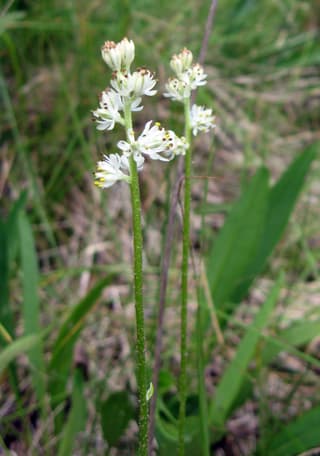
| Sticky false asphodel | Hard | Bright indirect | 1d | ✓ |
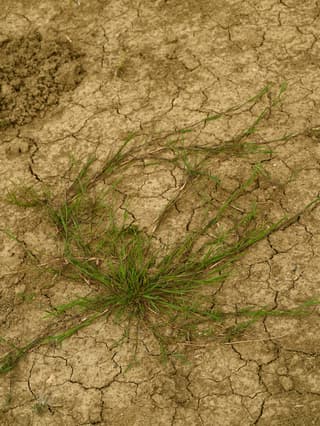
| Creeping bentgrass | Hard | Direct sun | 3d | ✓ |
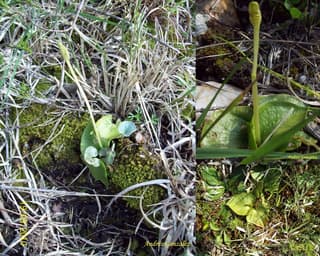
| Bulbous Adder's-tongue | Hard | Partial shade | 4d | ✓ |
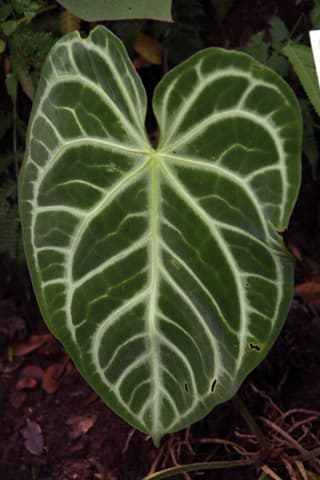
| Crystal Anthurium | Hard | Partial shade | 7d | ⚠️ |