Araceae
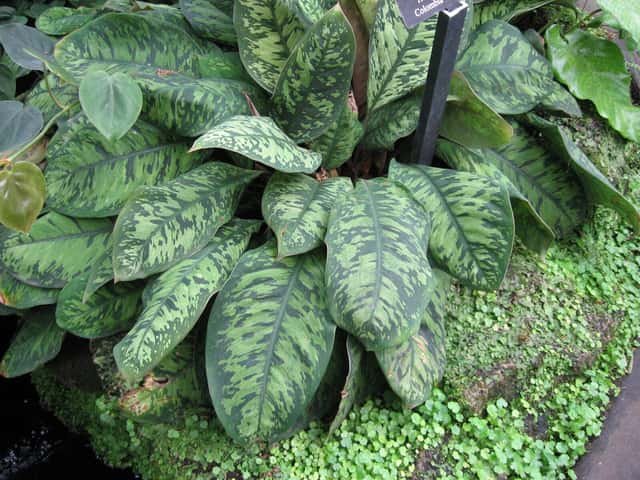
Camouflage Plant: Perfect Indoor Houseplant
Adelonema wallisii
This slow-growing aroid wants bright, indirect light, evenly moist but never soggy well-draining substrate, and high humidity of 60-80%. Let the top few centimetres of soil dry before rewatering, keep temperatures between 18-28C, and feed lightly every 4-6 weeks during active growth. It rewards consistent warmth and moisture with dense, richly patterned foliage but responds poorly, with yellowing leaves or root rot, if left wet and cold.
Every 7 days
Partial shade
18° - 28°C
60% - 80%
Categories
What is Camouflage Plant?
Camouflage Plant (Adelonema wallisii) is a medium-care plant from the Araceae family. Adelonema wallisii, commonly called the Camouflage Plant, is a compact, rhizomatous aroid native to the rainforest floor of Venezuela, Colombia, and Panama, where it grows as an understory groundcover in deep, humid shade. Its broad, elliptic-to-ovate leaves reach 13-20 cm long on short stalks and d...
Camouflage Plant grows up to 40cm, spread of 50cm, watering every 7 days, 18°C – 28°C, 60–80% humidity. It is suitable for indoor environments and not safe for pets.
Without precautions, ingestion can cause irritation in pets. Keep out of reach of cats and dogs. Without adequate drainage, root rot can develop within 14 days.
How to Care for Camouflage Plant?
TLDR: Camouflage Plant needs Partial shade, watering every 7 days, and temperatures between 18-28°C with 60-80% humidity.
How Often Should You Water Camouflage Plant?
Water only once the top 3 cm of soil have dried out, then soak thoroughly and let the pot drain fully. Use room-temperature, non-calcareous water (rainwater or filtered water is ideal) and reduce frequency in winter. Overwatering and compacted, poorly draining soil are the leading causes of root rot in this species, so err on the side of slightly underwatering rather than keeping it constantly wet.
How Much Light Does Camouflage Plant Need?
Give the Camouflage Plant bright, indirect light, roughly 10,000-20,000 lux, such as a spot a few feet back from an east- or north-facing window. Direct midday sun scorches the leaves and fades the marbled pattern, while too little light causes smaller leaves and leggy growth.
What Is the Best Soil for Camouflage Plant?
Pot it in a chunky, well-draining aroid mix, for example standard potting soil amended with orchid bark, perlite, and coco coir, so it holds moisture without staying waterlogged. Good drainage holes and airflow around the roots are essential to prevent the fungal rot this species is prone to.
What Pot Should You Use for Camouflage Plant?
Choose a pot with generous drainage holes; terracotta or another breathable material helps excess moisture evaporate and protects the sensitive roots from staying wet. Size the pot only slightly larger than the current root ball, since this species prefers to be slightly snug and is best repotted once a year or when it outgrows its container.
Care Schedule
Fertilize
Every 35 days
Repot
Every 365 days
What Is Camouflage Plant and Where Does It Come From?
Adelonema wallisii, commonly called the Camouflage Plant, is a compact, rhizomatous aroid native to the rainforest floor of Venezuela, Colombia, and Panama, where it grows as an understory groundcover in deep, humid shade. Its broad, elliptic-to-ovate leaves reach 13-20 cm long on short stalks and display a striking marbled pattern of bright green and silvery-yellow that mimics dappled forest light, giving the plant its common name. Long classified within Homalomena, it was moved to the segregate Neotropical genus Adelonema, though specimens are still widely sold under the trade name Homalomena wallisii Camouflage. The plant stays low and clump-forming, rarely exceeding 40 cm tall, and is prized by collectors for its foliage rather than its inconspicuous aroid inflorescence.
How Big Does Camouflage Plant Grow?
TLDR: Camouflage Plant can reach up to 40cm tall with Slow growth rate.
Max height
40cm
Spread
50cm
Growth rate
Slow
Foliage
Evergreen
Warning: Toxic Plant
This plant can be toxic if ingested. Keep out of reach of:
Plant Uses
Ornamental
Great for decoration
Is your plant showing symptoms?
Click on the symptom to discover possible causes:
What Diseases Commonly Affect Camouflage Plant?
TLDR: Camouflage Plant is susceptible to 8 known diseases. Monitor regularly for early detection.
Root Rot
Root rot is a serious fungal disease that affects the root system of plants, causing them to decay and die. It is primarily caused by overwatering, poor drainage, or soil-borne fungi such as Pythium, Phytophthora, Rhizoctonia, and Fusarium. The disease thrives in waterlogged conditions where roots are deprived of oxygen, making them susceptible to fungal infection.
Overwatering
Overwatering occurs when plants receive too much water, depriving roots of oxygen and causing root rot. This environmental stress is one of the most common causes of houseplant death, as waterlogged soil prevents roots from breathing and functioning properly.
Spider Mites
Spider mites are tiny arachnids (less than 1/20 inch long) related to spiders and ticks that feed on plant sap. They thrive in hot, dry conditions and can cause significant damage to ornamental and vegetable plants. During severe infestations, crop losses can reach 14% or higher as these pests disrupt vital plant processes including photosynthesis, carbon dioxide absorption, and transpiration.
Mealybugs
Mealybugs are small, soft-bodied insects covered with a white, waxy, cottony material. They are common pests of houseplants and outdoor plants in mild climates. These sap-sucking insects feed on plant tissue, causing damage, stunted growth, and can lead to plant death if left untreated. They produce sticky honeydew which attracts sooty mold.
Meaning & Symbolism
The dappled, forest-floor patterning that gives this plant its name has made it a symbol of adaptability and hidden resilience, a reminder that quiet, understated beauty can thrive even in low, shaded corners of a home.
Compare with similar plants
| Attribute | Difficulty | Light | Watering | Pet Safe |
|---|---|---|---|---|
| Dark Fieldcap | Medium | Low light | 2d | ⚠️ |
| Azalea | Medium | Partial shade | 3d | ⚠️ |
| Muriel's Bamboo | Medium | Partial shade | 3d | ✓ |
| Bougainvillea | Medium | Direct sun | 7d | ⚠️ |




