Ranunculaceae
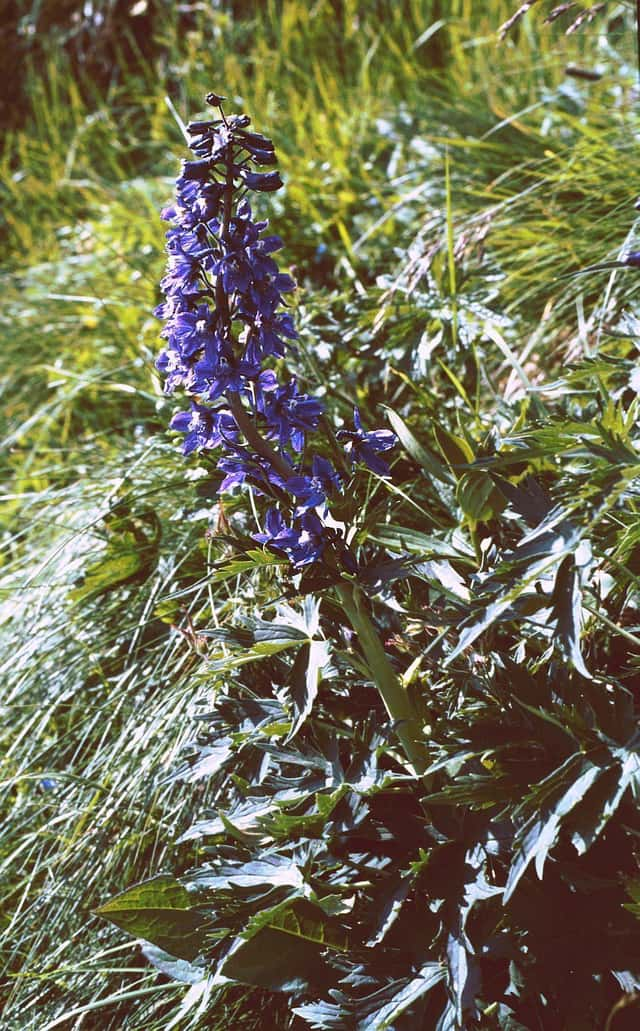
Candle Larkspur (Delphinium elatum)
Delphinium elatum
Give it full sun, shelter from wind and deep, rich, moist but well-drained soil. Feed regularly while it grows, stake the spikes early and protect young shoots from slugs. It prefers cool summers. Cut spikes back after flowering for a second flush, and wear gloves: all parts are toxic.
Every 4 days
Bright indirect
-20° - °C
% - %
Categories
What is Candle larkspur?
Candle larkspur (Delphinium elatum) is a medium-care plant from the Ranunculaceae family. Candle larkspur (Delphinium elatum) is a tall herbaceous perennial in the buttercup family (Ranunculaceae), native to the mountains and meadows of Europe and temperate Asia. It forms a clump of deeply divided leaves and in summer sends up dense spikes, up to 1.8 m tall, of spurred blue to purple flo...
Candle larkspur grows up to 1.8m, watering every 4 days. It is not suitable for indoor environments and not safe for pets.
Without precautions, ingestion can cause irritation in pets. Keep out of reach of cats and dogs.
How to Care for Candle larkspur?
TLDR: Candle larkspur needs Bright indirect, watering every 4 days, and temperatures between -20-30°C with 40-70% humidity.
How Often Should You Water Candle larkspur?
Keep the soil evenly moist during growth, about 2.5–5 cm of water a week, watering at the base in the morning. Avoid wetting the leaves. Water less after flowering and in autumn.
How Much Light Does Candle larkspur Need?
Full sun, 6–8 hours a day. In hot climates, light afternoon shade helps.
What Is the Best Soil for Candle larkspur?
Deep, fertile, loamy soil rich in compost, well drained, with a pH of about 6.5–7. Heavy, wet soil causes crown rot in winter.
What Pot Should You Use for Candle larkspur?
Best in the ground. Dwarf cultivars can grow in a deep, heavy container at least 30 cm wide with good drainage.
Care Schedule
Fertilize
Every 21 days
What Is Candle larkspur and Where Does It Come From?
Candle larkspur (Delphinium elatum) is a tall herbaceous perennial in the buttercup family (Ranunculaceae), native to the mountains and meadows of Europe and temperate Asia. It forms a clump of deeply divided leaves and in summer sends up dense spikes, up to 1.8 m tall, of spurred blue to purple flowers. It is the main parent of the classic garden delphiniums (Elatum hybrids such as Pacific Giant, Magic Fountains and New Millennium), which add white, cream and pink. The whole plant is poisonous.
How to Propagate Candle larkspur?
Basal cutting
Cuttings keep the colour and form of named cultivars, unlike seed.
- 1 In early spring, when new shoots are 8-10 cm tall, cut one off at the base with a little of the crown
- 2 Use shoots that are solid, not hollow
- 3 Insert in a gritty cutting mix
- 4 Keep cool, bright and just moist until roots form
- 5 Pot on and plant out in late summer or the following spring
Materials needed:
Seed
Seed of hybrids rarely comes true to type. Fresh seed germinates best.
- 1 Chill the seed in the fridge for two weeks
- 2 Sow 8-10 weeks before the last frost in moist seed compost
- 3 Keep at 15-18 °C; cover lightly, as darkness helps germination
- 4 Plant out once nights stay above about 10 °C
Materials needed:
Division
Only divide young, vigorous plants; old woody crowns re-establish poorly.
- 1 Lift a young clump as growth starts in spring
- 2 Cut it into sections, each with healthy shoots and roots
- 3 Replant at once at the same depth
- 4 Water well
Materials needed:
How Big Does Candle larkspur Grow?
TLDR: Candle larkspur can reach up to 1.8m tall with Fast growth rate.
Max height
1.8m
Growth rate
Fast
Foliage
Deciduous
Warning: Toxic Plant
This plant can be toxic if ingested. Keep out of reach of:
Plant Uses
Ornamental
Great for decoration
Is your plant showing symptoms?
Click on the symptom to discover possible causes:
What Diseases Commonly Affect Candle larkspur?
TLDR: Candle larkspur is susceptible to 7 known diseases. Monitor regularly for early detection.
Powdery Mildew
Powdery mildew is a common fungal disease caused by various fungi species including Erysiphe, Podosphaera, Oïdium, and Leveillula. It affects over 10,000 plant species worldwide. The disease thrives in warm, dry climates with high humidity and appears as a distinctive white powdery coating on plant surfaces.
Slugs and Snails
Slugs and snails are mollusks that feed on plant tissue, causing irregular holes in leaves and damage to young seedlings. They are most active at night and in moist conditions, leaving characteristic silvery slime trails. These pests can quickly devastate gardens, especially during wet seasons.
Crown Rot
Crown rot is a serious fungal disease that attacks the crown (base) of the plant where the stem meets the soil. It is caused by various fungal pathogens including Phytophthora, Fusarium, and Rhizoctonia. The disease thrives in waterlogged conditions and can quickly spread to kill the entire plant if not addressed promptly.
Root Rot
Root rot is a serious fungal disease that affects the root system of plants, causing them to decay and die. It is primarily caused by overwatering, poor drainage, or soil-borne fungi such as Pythium, Phytophthora, Rhizoctonia, and Fusarium. The disease thrives in waterlogged conditions where roots are deprived of oxygen, making them susceptible to fungal infection.
Fun Facts
The name Delphinium comes from the Greek for dolphin, after the shape of the flower bud.
Each flower has a long spur at the back, which inspired the name larkspur.
Garden delphiniums bred from this species can grow spikes over 2 m tall.
Frequently asked questions
Is Delphinium elatum toxic to cats and dogs?
Do delphiniums need staking?
Will it flower again?
Why are my delphinium leaves covered in white powder?
Compare with similar plants
| Attribute | Difficulty | Light | Watering | Pet Safe |
|---|---|---|---|---|
| Dark Fieldcap | Medium | Low light | 2d | ⚠️ |
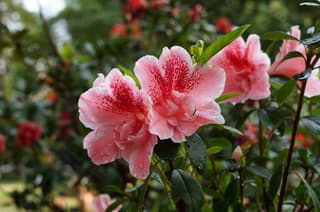
| Azalea | Medium | Partial shade | 3d | ⚠️ |
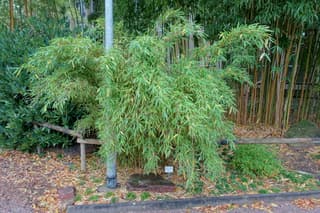
| Muriel's Bamboo | Medium | Partial shade | 3d | ✓ |
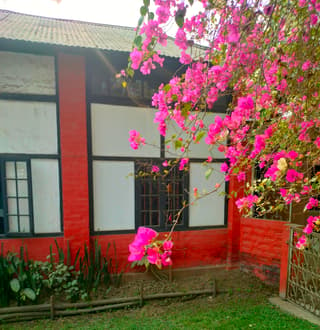
| Bougainvillea | Medium | Direct sun | 7d | ⚠️ |