Solanaceae
Cape Gooseberry (Physalis peruviana)
Physalis peruviana
Grow cape gooseberry in full sun with well-draining, only moderately fertile soil. Water regularly to keep the soil evenly moist without waterlogging, and provide support or light staking as the sprawling stems mature. It is frost-tender and grown as an annual outside USDA zones 8-11.
Every 3 days
Bright indirect
10° - 30°C
% - %
Categories
What is Cape Gooseberry?
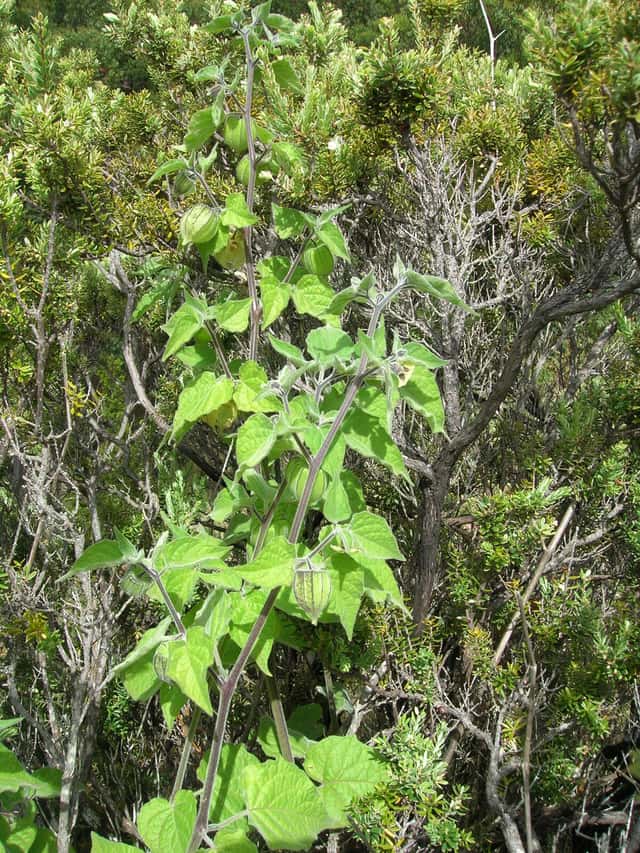
Cape Gooseberry (Physalis peruviana) is a medium-care plant from the Solanaceae family. Physalis peruviana, commonly known as cape gooseberry or goldenberry, is a sprawling perennial subshrub in the nightshade family (Solanaceae), native to the Andean highlands of Peru, Ecuador, Colombia, and Bolivia. It produces small, round, golden-orange berries wrapped in a papery husk (calyx) that...
Cape Gooseberry grows up to 1.5m, spread of 90cm, watering every 3 days, 10°C – 30°C. It is not suitable for indoor environments and not safe for pets.
Without precautions, ingestion can cause irritation in pets. Keep out of reach of cats and dogs.
How to Care for Cape Gooseberry?
TLDR: Cape Gooseberry needs Bright indirect, watering every 3 days, and temperatures between 10-30°C with 40-70% humidity.
How Often Should You Water Cape Gooseberry?
Water deeply 2-3 times a week during active growth, letting the top of the soil dry slightly between waterings; reduce frequency in cooler months.
How Much Light Does Cape Gooseberry Need?
Provide at least 6-8 hours of direct sun daily for the best fruit production; the plant tolerates light shade but flowers and fruits less.
What Is the Best Soil for Cape Gooseberry?
Use a well-draining, sandy-loam soil with a pH between 5.5 and 6.8. Avoid rich, heavily fertilized soil, which encourages leafy growth at the expense of fruit.
What Pot Should You Use for Cape Gooseberry?
A wide, deep terracotta or fabric grow bag (at least 40 cm/16 in diameter) with drainage holes suits its spreading root system and sprawling habit.
What Is Cape Gooseberry and Where Does It Come From?
Physalis peruviana, commonly known as cape gooseberry or goldenberry, is a sprawling perennial subshrub in the nightshade family (Solanaceae), native to the Andean highlands of Peru, Ecuador, Colombia, and Bolivia. It produces small, round, golden-orange berries wrapped in a papery husk (calyx) that resembles a Chinese lantern. Only the fully ripe fruit is edible; the unripe fruit and all vegetative parts (leaves, stems, and the papery husk) contain solanine and other toxic alkaloids and should never be eaten.
How to Propagate Cape Gooseberry?
Seed sowing
Start seeds indoors 6-8 weeks before the last expected frost for an earlier harvest.
- 1 Sow seeds 0.5-1 cm deep in a seed tray with a well-draining seed mix
- 2 Keep the mix consistently moist and at 20-25C until germination
- 3 Transplant seedlings once they have 2-3 true leaves
- 4 Harden off outdoors for 1-2 weeks before planting in the garden after the last frost
Materials needed:
Stem cutting
Cuttings root faster in a warm, humid propagator.
- 1 Take a 10 cm cutting with 5-7 leaves from a healthy, non-flowering stem
- 2 Remove the lower leaves and dip the cut end in rooting hormone
- 3 Insert into moist, well-draining potting mix
- 4 Keep humid and in bright, indirect light until roots establish
Materials needed:
How Big Does Cape Gooseberry Grow?
TLDR: Cape Gooseberry can reach up to 1.5m tall with Medium growth rate.
Max height
1.5m
Spread
90cm
Growth rate
Medium
Foliage
Deciduous
Warning: Toxic Plant
This plant can be toxic if ingested. Keep out of reach of:
Plant Uses
Edible
Can be consumed
Medicinal
Medicinal properties
Medicinal Uses
- Leaf juice used traditionally as a diuretic
- Traditional folk remedy for intestinal parasites and bowel complaints
Culinary Uses
- Eaten fresh once fully ripe
- Made into jams, jellies, and compotes
- Used in pies, cakes, and desserts
- Dried as a sweet-tart snack
- Added to salads and salsas
Is your plant showing symptoms?
Click on the symptom to discover possible causes:
What Diseases Commonly Affect Cape Gooseberry?
TLDR: Cape Gooseberry is susceptible to 10 known diseases. Monitor regularly for early detection.
Fusarium Wilt
Fusarium wilt is a serious fungal disease caused by the soil-borne fungus Fusarium oxysporum. The fungus invades roots and blocks the water-conducting vessels (xylem) of the plant, causing progressive wilting and eventual death. Host-specific forms of the pathogen exist that attack different plant species.
Alternaria Leaf Spot
Alternaria leaf spot is a common fungal disease caused by Alternaria solani and Alternaria alternata that affects a wide range of plants including tomatoes, potatoes, brassicas, and ornamentals. The disease thrives in warm, humid conditions and can cause significant crop damage if left untreated. Spores overwinter on plant debris and can attach to seeds, making complete elimination difficult.
Powdery Mildew
Powdery mildew is a common fungal disease caused by various fungi species including Erysiphe, Podosphaera, Oïdium, and Leveillula. It affects over 10,000 plant species worldwide. The disease thrives in warm, dry climates with high humidity and appears as a distinctive white powdery coating on plant surfaces.
Root Rot
Root rot is a serious fungal disease that affects the root system of plants, causing them to decay and die. It is primarily caused by overwatering, poor drainage, or soil-borne fungi such as Pythium, Phytophthora, Rhizoctonia, and Fusarium. The disease thrives in waterlogged conditions where roots are deprived of oxygen, making them susceptible to fungal infection.
Fun Facts
The papery husk that wraps each berry is actually an inflated calyx, the same structure seen in ornamental Chinese lantern plants (Physalis alkekengi).
Cape gooseberries are unusually rich in vitamin C, vitamin A, and protein for a fruit.
Despite the name, cape gooseberry has no relation to true gooseberries - it is a member of the nightshade family, related to tomatoes and tomatillos.
In the Andes, where it originates, the fruit has been cultivated and eaten for centuries before spreading worldwide.
Frequently asked questions
Is cape gooseberry toxic?
How do I know when the fruit is ripe?
How often should I water cape gooseberry?
Can cape gooseberry be grown indoors?
What diseases affect cape gooseberry?
Compare with similar plants
| Attribute | Difficulty | Light | Watering | Pet Safe |
|---|---|---|---|---|
| Dark Fieldcap | Medium | Low light | 2d | ⚠️ |
| Azalea | Medium | Partial shade | 3d | ⚠️ |
| Muriel's Bamboo | Medium | Partial shade | 3d | ✓ |
| Bougainvillea | Medium | Direct sun | 7d | ⚠️ |
Choose & Compare
Sources & References
- PFAF Plant Database - Physalis peruviana
- PlantIn - Peruvian ground-cherry Plant Care
- Wikipedia - Physalis peruviana
- Association analysis for disease resistance to Fusarium oxysporum in cape gooseberry
- Screening of Different Physalis Genotypes as Potential Rootstocks Against Vascular Wilt
- Physalis: Cultivation, Care, Pests and Diseases
- NC State Extension - Physalis Plant Toolbox




