Restionaceae
Cape Thatching Reed: Pet-Safe Plant
Chondropetalum tectorum
An exceptionally tough, low-fuss restio: give it full sun, sharply drained soil, and water generously through the growing season while keeping it drier in winter. Once established it tolerates both occasional flooding and extended drought, needs no regular fertilizing, and rewards minimal care with year-round texture.
Every 7-10 days
Bright indirect
-7° - °C
% - %
Categories
What is Cape Thatching Reed?
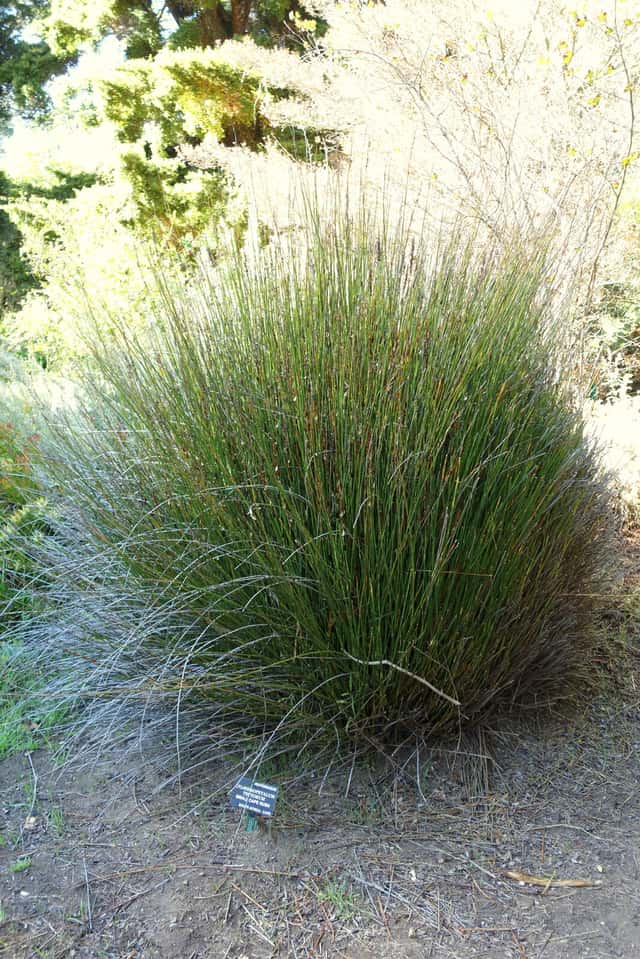
Cape Thatching Reed (Chondropetalum tectorum) is a easy-care plant from the Restionaceae family. Chondropetalum tectorum, commonly called the Cape thatching reed, is an evergreen, rush-like perennial in the Restionaceae family, native to marshes and damp, sandy seeps in South Africa's Western and Eastern Cape. It forms dense, upright clumps of slender, jointed, blue-green stems that sway gracef...
Cape Thatching Reed grows up to 1.5m, spread of 150cm. It is not suitable for indoor environments and safe for pets.
Unlike many tropical plants, Cape Thatching Reed tolerates watering mistakes. Best for beginners. Unlike many popular species, Cape Thatching Reed is safe to keep around pets.
How to Care for Cape Thatching Reed?
TLDR: Cape Thatching Reed needs Bright indirect, watering every 7 days, and temperatures between -7-30°C with 40-70% humidity.
How Often Should You Water Cape Thatching Reed?
Water deeply and regularly through spring and summer, especially for the first 6-8 weeks after planting, then taper off in winter — established plants handle dry spells well and dislike sitting in permanently soggy, poorly drained soil.
How Much Light Does Cape Thatching Reed Need?
Give it full sun for the fullest, most upright growth, though it will tolerate light or partial shade.
What Is the Best Soil for Cape Thatching Reed?
Plant in sandy or loamy soil with excellent drainage; it adapts to many soil textures but resents heavy, rich, or waterlogged ground.
What Pot Should You Use for Cape Thatching Reed?
If growing in a container, choose an unglazed terracotta or other porous pot with generous drainage holes to mimic the sharp drainage of its native sandy seeps and help prevent root rot.
What Is Cape Thatching Reed and Where Does It Come From?
Chondropetalum tectorum, commonly called the Cape thatching reed, is an evergreen, rush-like perennial in the Restionaceae family, native to marshes and damp, sandy seeps in South Africa's Western and Eastern Cape. It forms dense, upright clumps of slender, jointed, blue-green stems that sway gracefully in the wind, tipped in autumn with clusters of small, papery, dark brown flower spikes. Historically harvested by Cape settlers for roof thatching, broom-making, and basketry, it is now prized worldwide as a low-maintenance, architectural accent for water-wise and coastal gardens.
How to Propagate Cape Thatching Reed?
How Big Does Cape Thatching Reed Grow?
TLDR: Cape Thatching Reed can reach up to 1.5m tall with Slow growth rate.
Max height
1.5m
Spread
1.5m
Growth rate
Slow
Foliage
Evergreen
Plant Uses
Ornamental
Great for decoration
Is your plant showing symptoms?
Click on the symptom to discover possible causes:
What Diseases Commonly Affect Cape Thatching Reed?
TLDR: Cape Thatching Reed is susceptible to 1 known diseases. Monitor regularly for early detection.
Meaning & Symbolism
In garden design, Chondropetalum tectorum symbolizes resilience and quiet structure — its rigid, upright reeds evoke shelter and endurance, echoing its centuries-old use as a thatching material to roof and protect Cape homesteads.
Compare with similar plants
| Attribute | Difficulty | Light | Watering | Pet Safe |
|---|---|---|---|---|
| Field Maple | Easy | Bright indirect | 14d | ✓ |
| Silver Birch | Easy | Direct sun | 14d | ✓ |
| Common Blanketflower | Easy | Direct sun | 10d | ✓ |
| Cushion Bush | Easy | Direct sun | 14d | ✓ |





