Fabaceae
Carob Tree: Edible Plant
Ceratonia siliqua
Grow the carob tree in full sun with well-draining soil. Once established it needs almost no irrigation, making it ideal for xeriscaping and low-maintenance Mediterranean gardens.
Every 30 days
Direct sun
-6° - 42°C
% - %
Categories
What is Carob Tree?
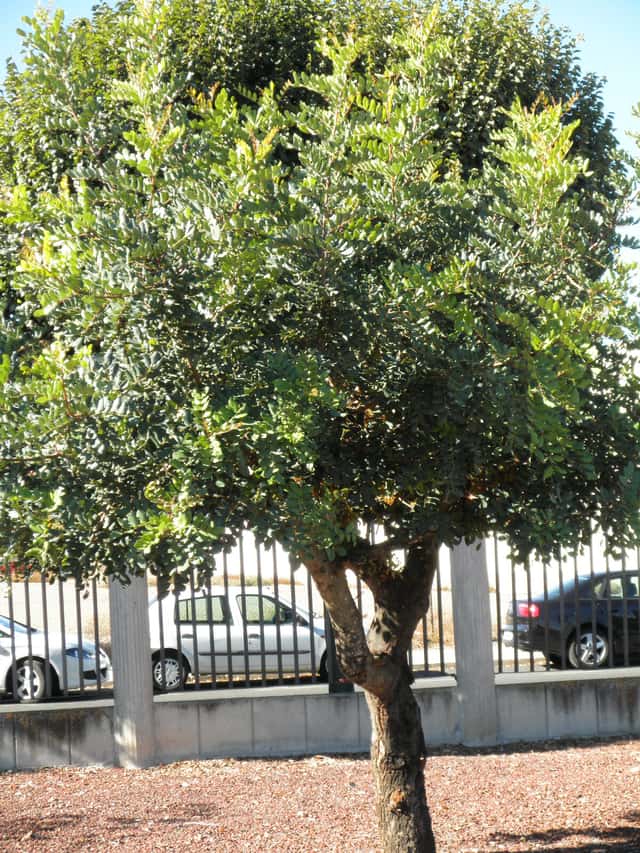
Carob Tree (Ceratonia siliqua) is a easy-care plant from the Fabaceae family. The carob tree (Ceratonia siliqua) is an evergreen Mediterranean tree in the legume family, prized for its sweet, edible seed pods used as a chocolate substitute. Extremely drought-tolerant and long-lived, it thrives in poor, rocky soils and can reach up to 15 m tall.
Carob Tree grows up to 15.0m, spread of 1500cm, watering every 30 days, -6°C – 42°C. It is not suitable for indoor environments and safe for pets.
Unlike many tropical plants, Carob Tree tolerates watering mistakes. Best for beginners. Unlike many popular species, Carob Tree is safe to keep around pets.
How to Care for Carob Tree?
TLDR: Carob Tree needs Direct sun, watering every 30 days, and temperatures between -6-42°C with 40-70% humidity.
How Often Should You Water Carob Tree?
Water deeply once a week during the first growing season to establish roots; after that, established trees only need deep watering about once a month in summer, and none the rest of the year.
How Much Light Does Carob Tree Need?
Needs full, direct sun for at least 6-8 hours a day; does not tolerate shade.
What Is the Best Soil for Carob Tree?
Prefers well-draining sandy or loamy soil with a pH between 6.2 and 8.6; avoid waterlogged soil and keep mulch away from the trunk.
What Pot Should You Use for Carob Tree?
Best planted directly in the ground due to its large mature size; if grown young in a container, use a large terracotta pot with excellent drainage.
Care Schedule
Fertilize
Every 365 days
What Is Carob Tree and Where Does It Come From?
The carob tree (Ceratonia siliqua) is an evergreen Mediterranean tree in the legume family, prized for its sweet, edible seed pods used as a chocolate substitute. Extremely drought-tolerant and long-lived, it thrives in poor, rocky soils and can reach up to 15 m tall.
How to Propagate Carob Tree?
Seed propagation
Scarifying or soaking the seed in warm water speeds up germination, since the seed coat is very hard.
- 1 Soak seeds in warm water for 24 hours to soften the hard seed coat
- 2 Sow in individual pots with well-draining potting mix
- 3 Keep in a protected environment (greenhouse) and wait for germination, which can take up to 2 months
- 4 Transplant seedlings into larger pots for their first winter, keeping them protected from frost
- 5 Plant out in the final location after the last frost
Materials needed:
How Big Does Carob Tree Grow?
TLDR: Carob Tree can reach up to 15.0m tall with Medium growth rate.
Max height
15.0m
Spread
15.0m
Growth rate
Medium
Foliage
Evergreen
Plant Uses
Edible
Can be consumed
Ornamental
Great for decoration
Medicinal
Medicinal properties
Medicinal Uses
- Ripe pod pulp used traditionally as a mild laxative
- Astringent pods used to help ease diarrhea and digestive upset
Culinary Uses
- Carob powder as a chocolate/cocoa substitute
- Roasted, ground pods used as a coffee substitute
- Carob syrup and flour for baking
Is your plant showing symptoms?
Click on the symptom to discover possible causes:
What Diseases Commonly Affect Carob Tree?
TLDR: Carob Tree is susceptible to 7 known diseases. Monitor regularly for early detection.
Powdery Mildew
Powdery mildew is a common fungal disease caused by various fungi species including Erysiphe, Podosphaera, Oïdium, and Leveillula. It affects over 10,000 plant species worldwide. The disease thrives in warm, dry climates with high humidity and appears as a distinctive white powdery coating on plant surfaces.
Cercospora Leaf Spot
Cercospora leaf spot is a common fungal disease caused by Cercospora species that affects many plant types, particularly beets, roses, and leafy vegetables. The disease thrives in warm, humid conditions and can cause significant defoliation, reducing plant vigor and yield. It spreads rapidly through water splash, wind, and contaminated tools.
Caterpillars
Caterpillars are the larval stage of moths and butterflies that feed voraciously on plant foliage, stems, flowers, and fruits. Common species include cabbage loopers, tomato hornworms, armyworms, and cutworms. These pests can cause extensive damage by consuming large amounts of plant tissue in a short time. They vary in size from small (1/4 inch) to large (5 inches), with colors ranging from green to brown, often featuring stripes or spots. Caterpillars are highly mobile and can quickly spread throughout gardens, making them one of the most destructive common pests.
Mealybugs
Mealybugs are small, soft-bodied insects covered with a white, waxy, cottony material. They are common pests of houseplants and outdoor plants in mild climates. These sap-sucking insects feed on plant tissue, causing damage, stunted growth, and can lead to plant death if left untreated. They produce sticky honeydew which attracts sooty mold.
Meaning & Symbolism
The carob tree symbolizes resilience, abundance, and longevity, historically associated with sustenance in hard times, as its pods have fed people and livestock during famines.
Compare with similar plants
| Attribute | Difficulty | Light | Watering | Pet Safe |
|---|---|---|---|---|
| Field Maple | Easy | Bright indirect | 14d | ✓ |
| Silver Birch | Easy | Direct sun | 14d | ✓ |
| Common Blanketflower | Easy | Direct sun | 10d | ✓ |
| Cushion Bush | Easy | Direct sun | 14d | ✓ |





