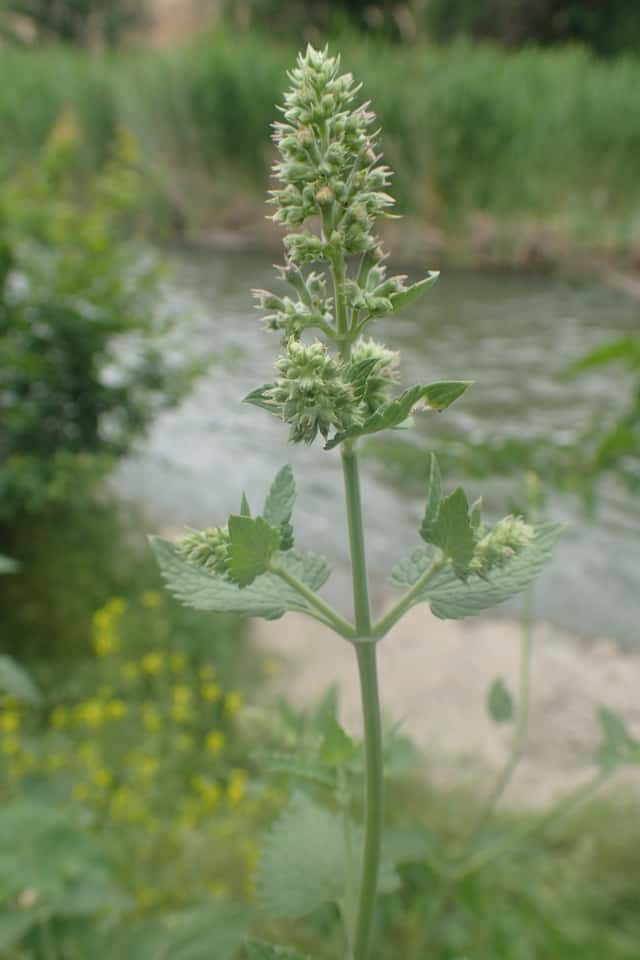
Lamiaceae
Catmint (Nepeta sp): Complete Care Guide
Nepeta sp
Catmint is easy to grow and very forgiving. Plant in full sun with well-draining soil. Water deeply but infrequently once established. Cut back by one-third after the first flush of blooms to encourage a second flowering. Virtually pest-free and tolerates drought well.
Every 14 days
Bright indirect
-20° - 35°C
30% - 60%
Categories
What is Catmint?
Catmint (Nepeta sp) is a easy-care plant from the Lamiaceae family. Catmint (Nepeta sp) is a hardy, aromatic perennial herb from the Lamiaceae family, native to Europe and Asia. Known for its lavender-purple flower spikes and silvery-gray foliage, it is beloved in gardens for its long blooming season, drought tolerance, and irresistible attraction to cats. It thrive...
Catmint grows up to 1.0m, spread of 90cm, watering every 14 days, -20°C – 35°C, 30–60% humidity. It is suitable for indoor environments and safe for pets.
Unlike many tropical plants, Catmint tolerates watering mistakes. Best for beginners. Unlike many popular species, Catmint is safe to keep around pets. Without adequate drainage, root rot can develop within 28 days.
How to Care for Catmint?
TLDR: Catmint needs Bright indirect, watering every 14 days, and temperatures between -20-35°C with 30-60% humidity.
How Often Should You Water Catmint?
Water deeply every 10-14 days once established. Catmint is drought-tolerant and prefers to dry out slightly between waterings. Avoid overwatering or soggy conditions which can lead to root rot.
How Much Light Does Catmint Need?
Catmint thrives in full sun (at least 6 hours of direct sunlight daily). It can tolerate light shade, especially in hotter climates, but flowering will be reduced. Full sun produces the most compact, floriferous plants.
What Is the Best Soil for Catmint?
Use well-draining, average to poor fertility soil. Sandy or loamy soils are ideal. Avoid heavy clay or overly rich soils which encourage lush leafy growth at the expense of flowers. Soil pH between 6.0 and 7.5.
What Pot Should You Use for Catmint?
Terracotta or ceramic pots with drainage holes are ideal. The porous nature of terracotta helps prevent overwatering, which suits catmint's preference for slightly dry conditions. Choose a pot at least 30 cm wide to allow spreading.
Care Schedule
Fertilize
Every 30 days
Repot
Every 730 days
What Is Catmint and Where Does It Come From?
Catmint (Nepeta sp) is a hardy, aromatic perennial herb from the Lamiaceae family, native to Europe and Asia. Known for its lavender-purple flower spikes and silvery-gray foliage, it is beloved in gardens for its long blooming season, drought tolerance, and irresistible attraction to cats. It thrives in full sun and well-drained soils, making it ideal for borders, rock gardens, and pollinator gardens.
How to Propagate Catmint?
Division
Division every 3-4 years also rejuvenates older plants. Spring division is preferred, but fall division works in milder climates.
- 1 Dig up the entire clump in early spring before new growth begins
- 2 Use a sharp spade to divide the clump into sections with roots attached
- 3 Replant divisions at the same depth in prepared soil
- 4 Water well and keep moist until established
Materials needed:
Stem Cutting
Use a plastic bag or humidity dome to maintain moisture. Avoid direct sun until rooted.
- 1 Take 10-15 cm softwood cuttings from non-flowering stems in late spring
- 2 Remove lower leaves leaving 2-3 pairs at the top
- 3 Dip cut end in rooting hormone powder
- 4 Insert into moist perlite or seed-starting mix
- 5 Keep in bright indirect light and maintain humidity
Materials needed:
How Big Does Catmint Grow?
TLDR: Catmint can reach up to 1.0m tall with Fast growth rate.
Max height
1.0m
Spread
90cm
Growth rate
Fast
Foliage
Deciduous
Plant Uses
Ornamental
Great for decoration
Medicinal
Medicinal properties
Aromatic
Pleasant fragrance
Medicinal Uses
- Used in herbal teas for calming and relaxation
- Traditionally used to treat fevers, headaches, and insomnia
- Nepetalactone compound has insect-repelling properties
- Used in folk medicine as a digestive aid
Is your plant showing symptoms?
Click on the symptom to discover possible causes:
What Diseases Commonly Affect Catmint?
TLDR: Catmint is susceptible to 9 known diseases. Monitor regularly for early detection.
Powdery Mildew
Powdery mildew is a common fungal disease caused by various fungi species including Erysiphe, Podosphaera, Oïdium, and Leveillula. It affects over 10,000 plant species worldwide. The disease thrives in warm, dry climates with high humidity and appears as a distinctive white powdery coating on plant surfaces.
Root Rot
Root rot is a serious fungal disease that affects the root system of plants, causing them to decay and die. It is primarily caused by overwatering, poor drainage, or soil-borne fungi such as Pythium, Phytophthora, Rhizoctonia, and Fusarium. The disease thrives in waterlogged conditions where roots are deprived of oxygen, making them susceptible to fungal infection.
Leaf Spot
Leaf spot is a common fungal disease caused by various pathogens including Alternaria, Ascochyta, Colletotrichum, Septoria, and Venturia. It primarily affects leaves, causing discolored spots that can lead to premature leaf drop if left untreated.
Aphids
Aphids are small, soft-bodied, pear-shaped insects (1/16 to 1/8 inch long) that feed by sucking nutrient-rich sap from plants. They reproduce rapidly and can quickly weaken plants, causing distorted growth and transmitting plant viruses. Aphids come in various colors including green, black, red, yellow, brown, and gray. They secrete honeydew, a sticky substance that attracts ants and encourages sooty mold growth.
Meaning & Symbolism
Catmint symbolizes relaxation, feline magic, and the bond between plants and animals. In folk traditions it was associated with love potions and protective charms. Its name "cataria" meaning "of cats" in medieval Latin speaks to its deep historical association with felines.
Fun Facts
Nepeta contains nepetalactone, a compound that has been shown to repel mosquitoes more effectively than DEET in some studies.
Catmint is one of the longest-blooming perennials, often flowering from late spring through fall if deadheaded.
There are over 250 species in the Nepeta genus, distributed across Europe, Asia, and Africa.
Catmint is a magnet for bumblebees and butterflies, making it an excellent plant for pollinator gardens.
Frequently asked questions
How often should I water catmint?
Is catmint toxic to cats or dogs?
How do I get catmint to rebloom?
Can I grow catmint indoors?
What is the difference between catmint and catnip?
Compare with similar plants
| Attribute | Difficulty | Light | Watering | Pet Safe |
|---|---|---|---|---|
| Field Maple | Easy | Bright indirect | 14d | ✓ |
| Silver Birch | Easy | Direct sun | 14d | ✓ |
| Common Blanketflower | Easy | Direct sun | 10d | ✓ |
| Cushion Bush | Easy | Direct sun | 14d | ✓ |





