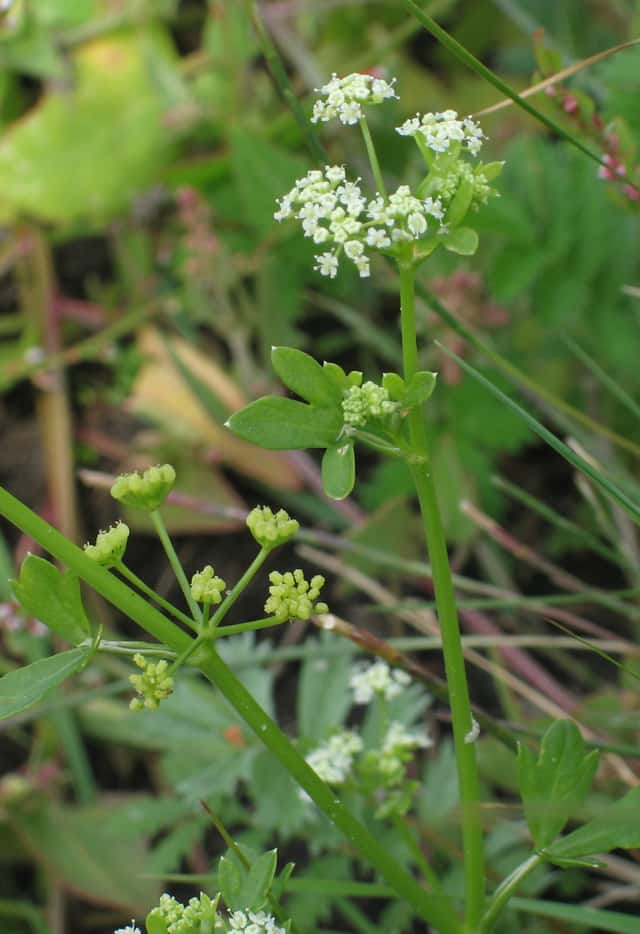
Apiaceae
Celery (Apium graveolens)
Apium graveolens
Celery requires rich, consistently moist and well-drained soil, frequent watering, and full sun exposure. It prefers cool temperatures between 15-21°C and high humidity. Plant in fertile soil with a pH of 6.0-7.5 and fertilize regularly with nitrogen-rich fertilizer.
Every 3 days
Bright indirect
4° - 35°C
60% - 80%
Categories
What is Celery?
Celery (Apium graveolens) is a medium-care plant from the Apiaceae family. Celery (Apium graveolens) is a biennial plant in the Apiaceae family, cultivated for over 3,000 years as both a food crop and medicinal herb. Native to temperate regions of Europe, Asia, and North Africa, it is widely grown in vegetable gardens for its crisp stalks, aromatic leaves, and flavorful se...
Celery grows up to 1.5m, spread of 45cm, watering every 3 days, 4°C – 35°C, 60–80% humidity. It is not suitable for indoor environments and safe for pets.
Unlike many popular species, Celery is safe to keep around pets.
How to Care for Celery?
TLDR: Celery needs Bright indirect, watering every 3 days, and temperatures between 4-35°C with 60-80% humidity.
How Often Should You Water Celery?
Water celery every 2-3 days to keep the soil consistently moist. Never let the soil dry out, as water stress causes stalks to become fibrous and bitter. In hot weather, daily watering may be necessary.
How Much Light Does Celery Need?
Celery needs full sun with at least 6 hours of direct light per day. In hot climates, some afternoon shade can help prevent premature bolting and keep stalks tender.
What Is the Best Soil for Celery?
Use rich, well-draining soil high in organic matter. Incorporate compost before planting. The ideal pH is 6.0-7.5. Avoid heavy clay soils that retain too much water and cause root rot.
What Pot Should You Use for Celery?
Large terracotta or ceramic pots at least 30 cm deep with drainage holes. Plastic pots also work well as they retain moisture better, which benefits celery.
Care Schedule
Fertilize
Every 30 days
What Is Celery and Where Does It Come From?
Celery (Apium graveolens) is a biennial plant in the Apiaceae family, cultivated for over 3,000 years as both a food crop and medicinal herb. Native to temperate regions of Europe, Asia, and North Africa, it is widely grown in vegetable gardens for its crisp stalks, aromatic leaves, and flavorful seeds.
How to Propagate Celery?
Seed Sowing
Start seeds indoors 10-12 weeks before the last expected frost. Keep soil consistently moist during germination. Harden off seedlings for 1 week before outdoor transplanting.
- 1 Sow seeds on the surface of moist seed-starting mix (do not cover — seeds need light to germinate)
- 2 Maintain temperature of 15-20°C for germination
- 3 Transplant seedlings after 8-10 weeks when they are 10-15 cm tall
- 4 Plant in final location with 30-45 cm spacing between plants
Materials needed:
How Big Does Celery Grow?
TLDR: Celery can reach up to 1.5m tall with Medium growth rate.
Max height
1.5m
Spread
45cm
Growth rate
Medium
Foliage
Deciduous
Plant Uses
Edible
Can be consumed
Medicinal
Medicinal properties
Medicinal Uses
- Used in folk medicine as a diuretic, anti-inflammatory, and to help manage high blood pressure. Seeds have carminative properties.
Culinary Uses
- Stalks eaten raw as a snack or in salads
- Cooked in soups, stews, stir-fries, and stocks
- Leaves used as an herb in broths and sauces
- Seeds used as a spice in pickling and seasoning blends
- Celeriac (root variety) eaten cooked or raw
Is your plant showing symptoms?
Click on the symptom to discover possible causes:
What Diseases Commonly Affect Celery?
TLDR: Celery is susceptible to 7 known diseases. Monitor regularly for early detection.
Septoria Leaf Spot
Septoria leaf spot is a destructive fungal disease caused by Septoria lycopersici, particularly devastating during seasons of moderate temperature and abundant rainfall. The disease starts on lower leaves and progresses upward, causing small circular spots with tan to gray centers and dark brown margins. If left untreated, it can dramatically reduce plant yields and cause complete leaf blight.
Fusarium Wilt
Fusarium wilt is a serious fungal disease caused by the soil-borne fungus Fusarium oxysporum. The fungus invades roots and blocks the water-conducting vessels (xylem) of the plant, causing progressive wilting and eventual death. Host-specific forms of the pathogen exist that attack different plant species.
Cercospora Leaf Spot
Cercospora leaf spot is a common fungal disease caused by Cercospora species that affects many plant types, particularly beets, roses, and leafy vegetables. The disease thrives in warm, humid conditions and can cause significant defoliation, reducing plant vigor and yield. It spreads rapidly through water splash, wind, and contaminated tools.
Bacterial Leaf Spot
Bacterial leaf spot is a plant disease caused by bacteria in the Xanthomonas and Pseudomonas genera that affects various ornamental and edible plants. The bacteria infect leaves through wounds or natural openings, causing characteristic lesions that can lead to premature leaf drop and plant weakening.
Meaning & Symbolism
Celery symbolizes vitality, health, and longevity in Mediterranean culture. In ancient Greece, it was associated with death and mourning, used in funerary rituals and to crown the dead.
Fun Facts
Celery has been cultivated for over 3,000 years, first as a medicinal plant before becoming a culinary staple
In ancient Greece, celery wreaths were awarded as prizes in athletic competitions
The plant contains over 25 anti-inflammatory compounds
Celery stalks are approximately 95% water
Frequently asked questions
How often should I water celery?
Is celery toxic to pets?
When should I harvest celery?
Why is my celery bitter?
Can celery be grown in containers?
Compare with similar plants
| Attribute | Difficulty | Light | Watering | Pet Safe |
|---|---|---|---|---|
| Dark Fieldcap | Medium | Low light | 2d | ⚠️ |
| Azalea | Medium | Partial shade | 3d | ⚠️ |
| Muriel's Bamboo | Medium | Partial shade | 3d | ✓ |
| Bougainvillea | Medium | Direct sun | 7d | ⚠️ |




