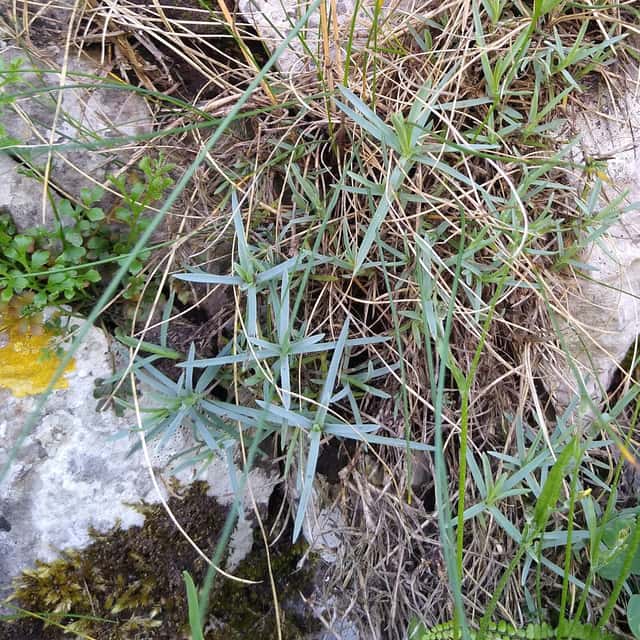
Caryophyllaceae
Cheddar Pink Care Guide
Dianthus gratianopolitanus
An easy, low-maintenance rock garden staple. Give it full sun, sharp drainage and alkaline-leaning soil, then leave it largely alone — it thrives on neglect and resents wet feet more than drought.
Every 10 days
Direct sun
-34° - 35°C
30% - 60%
Categories
What is Cheddar Pink?
Cheddar Pink (Dianthus gratianopolitanus) is a easy-care plant from the Caryophyllaceae family. Dianthus gratianopolitanus is a low, mat-forming evergreen perennial in the carnation family, native to limestone cliffs and grasslands of western Europe (including the Cheddar Gorge in England, which gives it its common name). It forms dense cushions of narrow, blue-grey foliage topped in late spri...
Cheddar Pink grows up to 20cm, spread of 40cm, watering every 10 days, -34°C – 35°C, 30–60% humidity. It is not suitable for indoor environments and not safe for pets.
Unlike many tropical plants, Cheddar Pink tolerates watering mistakes. Best for beginners. Without precautions, ingestion can cause irritation in pets. Keep out of reach of cats and dogs.
How to Care for Cheddar Pink?
TLDR: Cheddar Pink needs Direct sun, watering every 10 days, and temperatures between -34-35°C with 30-60% humidity.
How Often Should You Water Cheddar Pink?
Water deeply but infrequently, letting the top of the soil dry out between waterings. Established plants are quite drought tolerant; the biggest threat is overwatering, which leads to crown and root rot.
How Much Light Does Cheddar Pink Need?
Needs full sun — at least 6 hours of direct light a day — to keep its mat compact and flower heavily. Tolerates light afternoon shade in hot climates but gets leggy in shade.
What Is the Best Soil for Cheddar Pink?
Plant in loose, sharply-draining, neutral to alkaline soil (chalky or limy soils are ideal). Heavy, wet clay is the main cause of failure; amend with grit or sand if drainage is poor.
What Pot Should You Use for Cheddar Pink?
Shallow terracotta pans or rock garden pockets with excellent drainage; unglazed clay helps wick away excess moisture.
Care Schedule
Fertilize
Every 90 days
What Is Cheddar Pink and Where Does It Come From?
Dianthus gratianopolitanus is a low, mat-forming evergreen perennial in the carnation family, native to limestone cliffs and grasslands of western Europe (including the Cheddar Gorge in England, which gives it its common name). It forms dense cushions of narrow, blue-grey foliage topped in late spring and early summer by fragrant, clove-scented pink flowers with fringed petals.
How to Propagate Cheddar Pink?
Division
Divide every 3-4 years once the center of the clump starts to die back, to keep plants vigorous.
- 1 Lift the clump and gently pull apart rooted sections by hand
- 2 Replant divisions immediately at the same depth in well-drained soil
- 3 Water in well and keep lightly moist until new growth appears
Materials needed:
Stem cuttings
Avoid overwatering the cuttings; Dianthus cuttings rot easily in soggy mix.
- 1 Take 7-10cm non-flowering shoot tips
- 2 Strip the lower leaves and dip the cut end in rooting hormone
- 3 Insert into a gritty, well-draining cutting mix and keep humid until rooted
Materials needed:
How Big Does Cheddar Pink Grow?
TLDR: Cheddar Pink can reach up to 20cm tall with Medium growth rate.
Max height
20cm
Spread
40cm
Growth rate
Medium
Foliage
Semi-evergreen
Warning: Toxic Plant
This plant can be toxic if ingested. Keep out of reach of:
Plant Uses
Ornamental
Great for decoration
Aromatic
Pleasant fragrance
Ground Cover
Soil coverage
Culinary Uses
- Petals are edible (remove the bitter white base) and can be used to garnish salads and desserts, or steeped for a clove-scented syrup.
Is your plant showing symptoms?
Click on the symptom to discover possible causes:
What Diseases Commonly Affect Cheddar Pink?
TLDR: Cheddar Pink is susceptible to 7 known diseases. Monitor regularly for early detection.
Rust
Rust is a common fungal disease caused by fungi in the order Pucciniales that affects a wide variety of plants. The disease gets its name from the characteristic orange, yellow, or reddish-brown pustules that appear on leaves, resembling metal rust. This obligate fungal parasite requires living plants to survive and can cause significant economic losses in agricultural crops.
Leaf Spot
Leaf spot is a common fungal disease caused by various pathogens including Alternaria, Ascochyta, Colletotrichum, Septoria, and Venturia. It primarily affects leaves, causing discolored spots that can lead to premature leaf drop if left untreated.
Grey Mould
Crown Rot
Crown rot is a serious fungal disease that attacks the crown (base) of the plant where the stem meets the soil. It is caused by various fungal pathogens including Phytophthora, Fusarium, and Rhizoctonia. The disease thrives in waterlogged conditions and can quickly spread to kill the entire plant if not addressed promptly.
Meaning & Symbolism
Symbol of bold love, admiration and lasting affection, echoing the resilience of a plant that thrives in bare rock crevices.
Fun Facts
Its common name comes from the Cheddar Gorge in England, one of the few places it grows wild in the UK.
The flowers give off a strong clove-like fragrance, especially in the evening.
It is one of the parent species behind many popular garden Dianthus cultivars, including 'Firewitch'.
Frequently asked questions
Is Cheddar Pink toxic to cats and dogs?
How much sun does Dianthus gratianopolitanus need?
Why is my Cheddar Pink dying in the center?
Does Cheddar Pink need fertilizer?
Can I eat Dianthus gratianopolitanus flowers?
Compare with similar plants
| Attribute | Difficulty | Light | Watering | Pet Safe |
|---|---|---|---|---|
| Field Maple | Easy | Bright indirect | 14d | ✓ |
| Silver Birch | Easy | Direct sun | 14d | ✓ |
| Common Blanketflower | Easy | Direct sun | 10d | ✓ |
| Cushion Bush | Easy | Direct sun | 14d | ✓ |





