Cactaceae
Chichipe Cactus: Edible Plant
Polaskia chichipe
A low-maintenance cactus that thrives in intense direct sunlight and very infrequent watering. It tolerates extreme heat and drought but is very sensitive to excess moisture and frost. Ideal for xeriscaping gardens, large outdoor pots in sunny locations, or specialized cactus collections.
Every 14 days
Direct sun
8° - 45°C
10% - 40%
Categories
What is Chichipe Cactus?
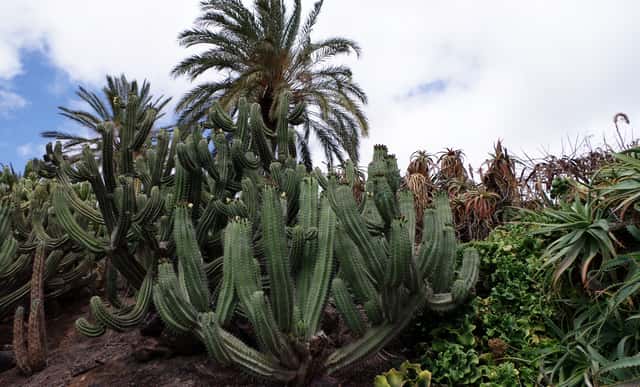
Chichipe Cactus (Polaskia chichipe) is a easy-care plant from the Cactaceae family. Polaskia chichipe is an arborescent and branched columnar cactus, endemic to the Tehuacán-Cuicatlán Valley in the states of Puebla and Oaxaca, Mexico. It grows at altitudes between 1,600 and 2,300 meters in the thorny vegetation known as "chichipera." It reaches 4 to 5 meters in height with a define...
Chichipe Cactus grows up to 5.0m, spread of 200cm, watering every 14 days, 8°C – 45°C, 10–40% humidity. It is suitable for indoor environments and safe for pets.
Unlike many tropical plants, Chichipe Cactus tolerates watering mistakes. Best for beginners. Unlike many popular species, Chichipe Cactus is safe to keep around pets. Without adequate drainage, root rot can develop within 28 days.
How to Care for Chichipe Cactus?
TLDR: Chichipe Cactus needs Direct sun, watering every 14 days, and temperatures between 8-45°C with 10-40% humidity.
How Often Should You Water Chichipe Cactus?
Use the "soak and dry" technique: water deeply every 14-21 days in spring and summer, ensuring the substrate is completely dry before watering again. In autumn, gradually reduce the frequency; in winter, almost completely suspend watering (at most once a month). Always prevent water from stagnating at the base or in the saucer.
How Much Light Does Chichipe Cactus Need?
Needs at least 5-6 hours of direct sun daily for optimal growth. Place it in the brightest spot available: outdoors in full exposure or a south-facing window with maximum light entry. Lack of light causes etiolation (weak, pale elongation). Indoors, it may require supplemental lighting.
What Is the Best Soil for Chichipe Cactus?
Use a very well-draining substrate: mix 50% cactus soil with 50% gravel, coarse sand, or perlite. Add volcanic rock or pumice to improve root aeration. The ideal pH is between 6.0 and 7.5. Ensure the pot has large drainage holes to prevent moisture buildup.
What Pot Should You Use for Chichipe Cactus?
Unglazed clay or terracotta pots, as they allow moisture to evaporate through the walls. Choose containers with a diameter proportional to the size of the cactus and with multiple drainage holes. Avoid plastic or non-draining pots that retain excessive moisture.
Care Schedule
Fertilize
Every 60 days
Rotate
Every 30 days
Repot
Every 730 days
What Is Chichipe Cactus and Where Does It Come From?
Polaskia chichipe is an arborescent and branched columnar cactus, endemic to the Tehuacán-Cuicatlán Valley in the states of Puebla and Oaxaca, Mexico. It grows at altitudes between 1,600 and 2,300 meters in the thorny vegetation known as "chichipera." It reaches 4 to 5 meters in height with a defined trunk and numerous glaucous-green branches with 9 to 12 prominent ribs, armed with short, grayish spines with dark tips. Its flowers are small (2-3 cm), white or yellowish-green with a central pink stripe, with partially nocturnal anthesis in spring-summer. The fruits, called chichitunas, are sweet, red globose berries that ripen in mid-summer; they are consumed fresh and used in artisanal jams and ice creams. The species has a long history of domestication and human management in the indigenous communities of the valley, being considered a fundamental cultural and food element.
How to Propagate Chichipe Cactus?
Stem cuttings
- Do not water immediately after planting to prevent rot
- Avoid intense direct sun during the first weeks of rooting
- 1 Taking the cutting
Cut a healthy branch of 15-30 cm from the base using a sharp, disinfected knife.
- 2 Callousing
Leave the cutting in a dry, shaded place for 7-14 days until the cut forms a dry callus.
- 3 Planting
Insert the calloused base into a dry, well-draining substrate. Do not water for the first 7-10 days.
- 4 First roots
After 4-8 weeks, introduce light watering and gradually move the cutting into more sunlight.
Materials needed:
Sowing seeds
- Use preventive fungicide to avoid mold in the seedbed
- Maintain a constant temperature of 25°C to promote germination
- 1 Seed preparation
Extract seeds from ripe fruits (chichitunas), clean off the pulp, and let them air dry for 24-48 hours.
- 2 Sowing
Distribute the seeds over the surface of a fine, slightly moist cactus substrate without burying them deeply.
- 3 Humidity maintenance
Cover the seedbed with transparent plastic to maintain ambient humidity until germination; keep the temperature around 25°C.
Materials needed:
How Big Does Chichipe Cactus Grow?
TLDR: Chichipe Cactus can reach up to 5.0m tall with Slow growth rate.
Max height
5.0m
Spread
2.0m
Growth rate
Slow
Foliage
Evergreen
Plant Uses
Ornamental
Great for decoration
Edible
Can be consumed
Medicinal Uses
- Chichituna fruits have been traditionally used as a source of vitamins and energy in the communities of the Tehuacán Valley
- The branches and trunk have been used as firewood for cooking and as fuel in traditional pottery
Culinary Uses
- Direct consumption of fresh fruits (chichitunas)
- Production of jams and fruit preserves
- Artisanal ice creams and sorbets
- Traditional drinks and fruit-infused waters (aguas frescas) made with the fruit juice
Is your plant showing symptoms?
Click on the symptom to discover possible causes:
What Diseases Commonly Affect Chichipe Cactus?
TLDR: Chichipe Cactus is susceptible to 9 known diseases. Monitor regularly for early detection.
Root Rot
Root rot is a serious fungal disease that affects the root system of plants, causing them to decay and die. It is primarily caused by overwatering, poor drainage, or soil-borne fungi such as Pythium, Phytophthora, Rhizoctonia, and Fusarium. The disease thrives in waterlogged conditions where roots are deprived of oxygen, making them susceptible to fungal infection.
Overwatering
Overwatering occurs when plants receive too much water, depriving roots of oxygen and causing root rot. This environmental stress is one of the most common causes of houseplant death, as waterlogged soil prevents roots from breathing and functioning properly.
Crown Rot
Crown rot is a serious fungal disease that attacks the crown (base) of the plant where the stem meets the soil. It is caused by various fungal pathogens including Phytophthora, Fusarium, and Rhizoctonia. The disease thrives in waterlogged conditions and can quickly spread to kill the entire plant if not addressed promptly.
Stem Necrosis
Stem necrosis is a condition characterized by the death of plant tissues on the stem, leading to browning, blackening, and eventual decay. It can weaken the plant, hinder nutrient and water transport, and in severe cases, lead to plant death. This condition can be caused by various pathogens, environmental stresses, or physical damage.
Meaning & Symbolism
A symbol of resilience and generosity in Mexico's arid landscapes. In the Tehuacán Valley, its millennial domestication represents the deep bond between indigenous communities and desert biodiversity, being one of the most important columnar cacti in the region from a cultural and ecological perspective.
Compare with similar plants
| Attribute | Difficulty | Light | Watering | Pet Safe |
|---|---|---|---|---|
| Field Maple | Easy | Bright indirect | 14d | ✓ |
| Silver Birch | Easy | Direct sun | 14d | ✓ |
| Common Blanketflower | Easy | Direct sun | 10d | ✓ |
| Cushion Bush | Easy | Direct sun | 14d | ✓ |
Choose & Compare
Sources & References
- Polaskia chichipe - LLIFLE Encyclopedia of Cacti
- Polaskia chichipe (Chichipe) - Gardenia.net
- Polaskia chichipe – Tula House Plant Library
- Polaskia chichipe: características e cuidados completos
- Management, phenotypic patterns and domestication of Polaskia chichipe - ScienceDirect
- Evolution of Polaskia chichipe under domestication in Tehuacán Valley - AJB





