Gunneraceae
Chilean Gunnera: Edible Plant
Gunnera tinctoria
Give Chilean rhubarb a sheltered spot in partial shade with rich, permanently moist, humus-rich soil, and expect it to reward you with dramatic, prehistoric-looking foliage through the growing season. It is a heavy feeder and drinker that dies back to a protected crown in winter in cold climates, and because it self-seeds and spreads so readily, gardeners in regions where it is invasive should deadhead spent flower spikes and confirm local planting rules before adding it to a border.
Every 2 days
Partial shade
-10° - 25°C
60% - 90%
Categories
What is Chilean Gunnera?
Chilean Gunnera (Gunnera tinctoria) is a hard-care plant from the Gunneraceae family. Gunnera tinctoria, commonly known as Chilean rhubarb or nalca, is a colossal herbaceous perennial native to the cool, wet forests of central Chile and southern Argentina, where locals have long harvested its tart leaf stalks as a rhubarb-like vegetable. Forming clumps of enormous, deeply lobed leave...
Chilean Gunnera grows up to 2.5m, spread of 350cm, watering every 2 days, -10°C – 25°C, 60–90% humidity. It is not suitable for indoor environments and safe for pets.
Unlike easy-care plants, Chilean Gunnera demands constant attention to humidity and light. Not recommended for beginners. Unlike many popular species, Chilean Gunnera is safe to keep around pets.
How to Care for Chilean Gunnera?
TLDR: Chilean Gunnera needs Partial shade, watering every 2 days, and temperatures between -10-25°C with 60-90% humidity.
How Often Should You Water Chilean Gunnera?
Keep the soil constantly moist, almost boggy, throughout the growing season -- this plant naturally grows along streams and lake edges and sulks badly if it dries out, though watering should ease off considerably in cold, dormant winter conditions.
How Much Light Does Chilean Gunnera Need?
Partial shade with dappled sunlight brings out the healthiest leaf colour and size, especially in hot climates; young plants scorch easily in strong sun, though larger, well-established clumps can tolerate more direct light if kept consistently moist.
What Is the Best Soil for Chilean Gunnera?
Plant in deep, rich, humus-laden soil that holds moisture without turning waterlogged -- heavy mulching with compost or manure each spring recreates the boggy, nutrient-rich streambanks this species calls home in Chile.
What Pot Should You Use for Chilean Gunnera?
Chilean rhubarb is really a plant for open ground rather than pots, since mature clumps need enormous root and leaf space; if you must start one in a container, choose the largest, sturdiest tub available with generous drainage holes and treat it strictly as a temporary home before transplanting.
Care Schedule
Fertilize
Every 30 days
What Is Chilean Gunnera and Where Does It Come From?
Gunnera tinctoria, commonly known as Chilean rhubarb or nalca, is a colossal herbaceous perennial native to the cool, wet forests of central Chile and southern Argentina, where locals have long harvested its tart leaf stalks as a rhubarb-like vegetable. Forming clumps of enormous, deeply lobed leaves that can each span over a metre across, it produces a dense, cone-shaped flower spike in summer followed by small orange-red fruits. Outside its native range, however, it has become a serious invasive weed in wetlands and coastal areas of Ireland, the UK, New Zealand, and parts of the Azores, where it forms dense colonies that crowd out native vegetation and clog waterways -- check local regulations before planting it in these regions.
How to Propagate Chilean Gunnera?
How Big Does Chilean Gunnera Grow?
TLDR: Chilean Gunnera can reach up to 2.5m tall with Fast growth rate.
Max height
2.5m
Spread
3.5m
Growth rate
Fast
Foliage
Deciduous
Plant Uses
Ornamental
Great for decoration
Edible
Can be consumed
Medicinal
Medicinal properties
Medicinal Uses
- Traditionally used as an astringent for soothing wounds and diarrhea in the plant's native range.
- Root extracts, rich in tannins, have been used in Chilean folk medicine to support wound healing.
Culinary Uses
- Young, tender leaf stalks are peeled and eaten raw or cooked as a tart, rhubarb-like vegetable in parts of Chile, where they are known as nalca.
- Stalks can be stewed with sugar into a compote similar to rhubarb, though the plant is botanically unrelated to true rhubarb.
Is your plant showing symptoms?
Click on the symptom to discover possible causes:
What Diseases Commonly Affect Chilean Gunnera?
TLDR: Chilean Gunnera is susceptible to 3 known diseases. Monitor regularly for early detection.
Scale Insects
Scale insects are small sap-sucking pests that appear as brown, shell-like bumps on plant stems and leaves. There are over 25 species, divided into armored (hard) and unarmored (soft) scales. They feed by piercing plant tissue and extracting sap, which weakens the plant and can lead to yellowing, stunted growth, and even death if left untreated. They also excrete honeydew, which attracts ants and promotes sooty mold growth.
Slugs and Snails
Slugs and snails are mollusks that feed on plant tissue, causing irregular holes in leaves and damage to young seedlings. They are most active at night and in moist conditions, leaving characteristic silvery slime trails. These pests can quickly devastate gardens, especially during wet seasons.
Leaf Spot
Leaf spot is a common fungal disease caused by various pathogens including Alternaria, Ascochyta, Colletotrichum, Septoria, and Venturia. It primarily affects leaves, causing discolored spots that can lead to premature leaf drop if left untreated.
Meaning & Symbolism
With its colossal, dinosaur-era silhouette, Chilean rhubarb has become a garden symbol of primeval abundance and untamed vitality -- a living reminder of how quickly nature can reclaim and overwhelm a space if left unchecked.
Compare with similar plants
| Attribute | Difficulty | Light | Watering | Pet Safe |
|---|---|---|---|---|
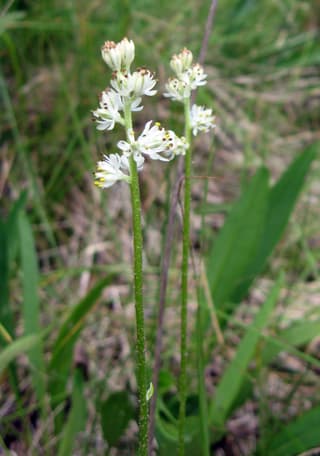
| Sticky false asphodel | Hard | Bright indirect | 1d | ✓ |
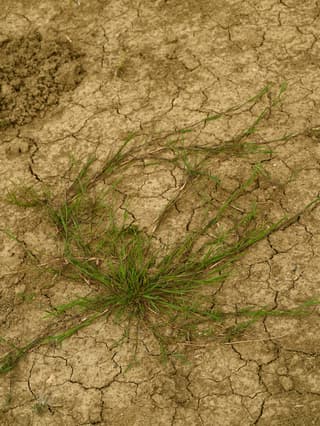
| Creeping bentgrass | Hard | Direct sun | 3d | ✓ |
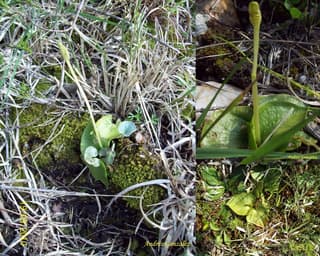
| Bulbous Adder's-tongue | Hard | Partial shade | 4d | ✓ |
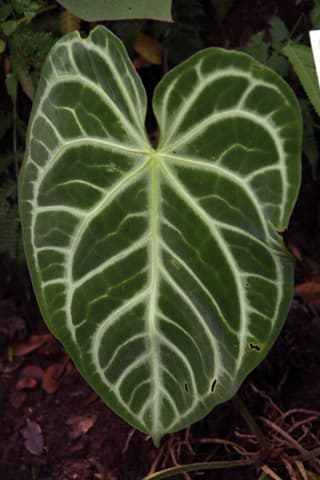
| Crystal Anthurium | Hard | Partial shade | 7d | ⚠️ |