Atherospermataceae
Chilean Laurel: Aromatic Plant
Laurelia sempervirens
Prefers full sun to partial shade, regular watering without waterlogging the soil, and a fertile, loose, well-drained substrate. It tolerates moderate frost once established but appreciates a location sheltered from cold winds.
Every 10 days
Bright indirect
-8° - 32°C
60% - 85%
Categories
What is Chilean Laurel?
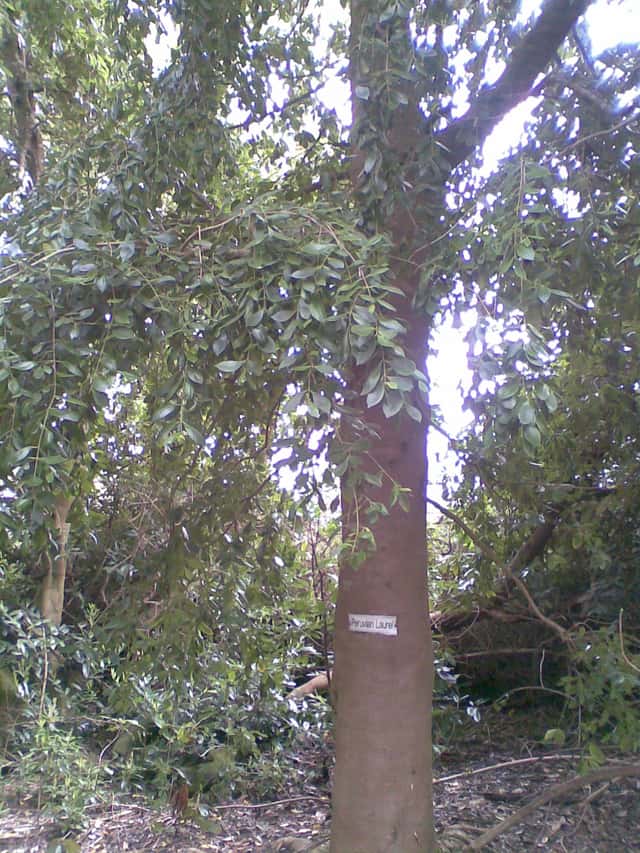
Chilean Laurel (Laurelia sempervirens) is a medium-care plant from the Atherospermataceae family. The Chilean laurel (Laurelia sempervirens) is an aromatic evergreen tree endemic to the temperate rainforests of Chile, where it can reach heights of up to 30 meters. Its opposite, leathery leaves with serrated edges, along with its smooth yellowish bark, distinguish it within the Valdivian forest....
Chilean Laurel grows up to 30.0m, spread of 800cm, watering every 10 days, -8°C – 32°C, 60–85% humidity. It is not suitable for indoor environments and safe for pets.
Unlike many popular species, Chilean Laurel is safe to keep around pets.
How to Care for Chilean Laurel?
TLDR: Chilean Laurel needs Bright indirect, watering every 10 days, and temperatures between -8-32°C with 60-85% humidity.
How Often Should You Water Chilean Laurel?
Water when the top layer of the substrate is dry to the touch, increasing frequency in summer. Avoid waterlogging: it is sensitive to root rot if the soil remains wet for too long.
How Much Light Does Chilean Laurel Need?
Grows best in full sun, although it tolerates partial shade well, especially in warmer climates where direct sun can dry out the foliage.
What Is the Best Soil for Chilean Laurel?
Use a loose, fertile substrate with excellent drainage; it tolerates calcareous soils but cannot withstand prolonged waterlogging.
What Pot Should You Use for Chilean Laurel?
In its juvenile stage, it can be grown in a large pot with good drainage, as it is sensitive to excess moisture; transplant it to its permanent location in the ground when the root system requires it, as it is a large-growing tree.
Care Schedule
Fertilize
Every 90 days
What Is Chilean Laurel and Where Does It Come From?
The Chilean laurel (Laurelia sempervirens) is an aromatic evergreen tree endemic to the temperate rainforests of Chile, where it can reach heights of up to 30 meters. Its opposite, leathery leaves with serrated edges, along with its smooth yellowish bark, distinguish it within the Valdivian forest. It produces small greenish-yellow flowers in early summer and dry fruits (achenes) dispersed by the wind.
How to Propagate Chilean Laurel?
Semi-hardwood cuttings
- Do not leave the substrate waterlogged, as it is very sensitive to rot.
- A warm and protected environment accelerates rooting.
- 1 Cutting
Take 5-8 cm semi-hardwood cuttings with a heel in late summer (July-August in the Northern Hemisphere / January-February in Chile).
- 2 Rooting
Apply rooting hormone and plant in a well-drained sandy substrate.
- 3 Care
Keep the substrate slightly moist and in partial shade until new growth is observed.
Materials needed:
Seed sowing
- Seed viability is variable; sow more than you need.
- 1 Sowing
Sow in a warm greenhouse in late winter or early spring.
- 2 Germination
Keep the substrate moist; germination is slow and irregular.
- 3 Transplanting
Transplant seedlings into individual pots when they have several true leaves.
Materials needed:
How Big Does Chilean Laurel Grow?
TLDR: Chilean Laurel can reach up to 30.0m tall with Slow growth rate.
Max height
30.0m
Spread
8.0m
Growth rate
Slow
Foliage
Evergreen
Plant Uses
Medicinal
Medicinal properties
Edible
Can be consumed
Aromatic
Pleasant fragrance
Ornamental
Great for decoration
Medicinal Uses
- Leaf infusion for headaches and colds
- Digestive use and as a diuretic
- Leaf ointment for skin conditions
- Bark infusion for bronchial and nervous system issues
Culinary Uses
- Bark and leaves used as an aromatic spice
- Edible fruits and seeds
Is your plant showing symptoms?
Click on the symptom to discover possible causes:
What Diseases Commonly Affect Chilean Laurel?
TLDR: Chilean Laurel is susceptible to 2 known diseases. Monitor regularly for early detection.
Root Rot
Root rot is a serious fungal disease that affects the root system of plants, causing them to decay and die. It is primarily caused by overwatering, poor drainage, or soil-borne fungi such as Pythium, Phytophthora, Rhizoctonia, and Fusarium. The disease thrives in waterlogged conditions where roots are deprived of oxygen, making them susceptible to fungal infection.
Overwatering
Overwatering occurs when plants receive too much water, depriving roots of oxygen and causing root rot. This environmental stress is one of the most common causes of houseplant death, as waterlogged soil prevents roots from breathing and functioning properly.
Meaning & Symbolism
For the Mapuche people, the trihue (Chilean laurel) is a sacred tree linked to healing: its branches are used as ritual firewood in the machitún ceremony, and its aromatic leaves symbolize protection, purification, and connection with the earth.
Compare with similar plants
| Attribute | Difficulty | Light | Watering | Pet Safe |
|---|---|---|---|---|
| Dark Fieldcap | Medium | Low light | 2d | ⚠️ |
| Azalea | Medium | Partial shade | 3d | ⚠️ |
| Muriel's Bamboo | Medium | Partial shade | 3d | ✓ |
| Bougainvillea | Medium | Direct sun | 7d | ⚠️ |




