Myricaceae
Yumberry: Edible Plant
Myrica rubra
An outdoor tree for mild climates, hardy down to approximately 10-14°F (-10/-12°C) once established; protect young specimens from heavy frosts. Plant in full sun or partial shade (at least six hours of direct sun to fruit) in acidic, lime-free, and well-draining soil. Water regularly for the first two years, then space out: as an adult, it tolerates moderate drought and dislikes excess water. Fertilize sparingly, as it is sensitive to excess fertilizer and salt. To obtain fruit, a female plant and a male plant must be nearby.
Every 7 days
Bright indirect
-12° - °C
% - %
Categories
What is Yumberry?
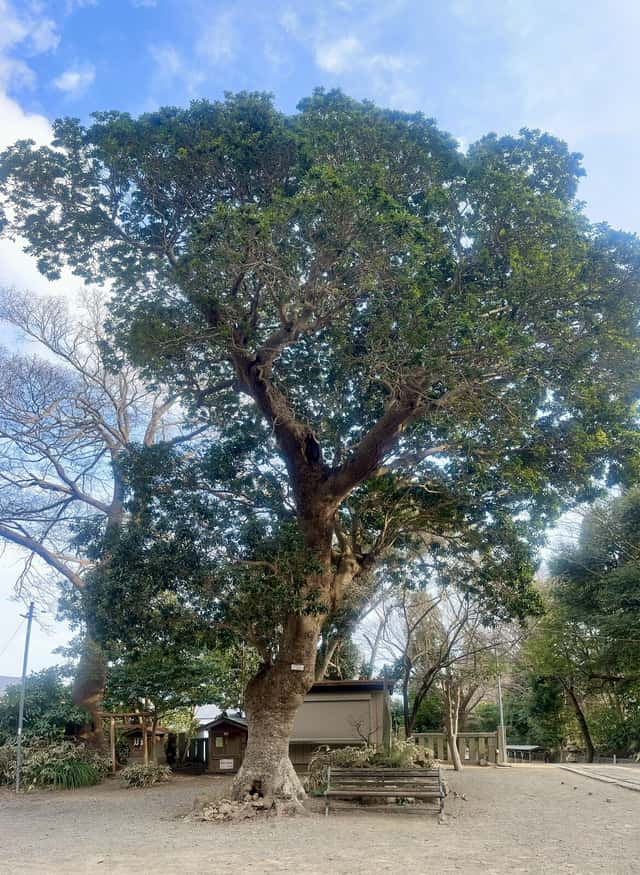
Yumberry (Myrica rubra) is a medium-care plant from the Myricaceae family. Myrica rubra (syn. Morella rubra) is an evergreen fruit tree native to central and southern China, Japan, Korea, Taiwan, and the Philippines, where it grows in mountain forests between 100 and 1,500 m. In the wild, it reaches 10 to 20 m, with smooth gray bark, a rounded crown, and leathery dark gree...
Yumberry grows up to 15.0m, spread of 600cm, watering every 7 days. It is not suitable for indoor environments and safe for pets.
Unlike many popular species, Yumberry is safe to keep around pets.
How to Care for Yumberry?
TLDR: Yumberry needs Bright indirect, watering every 7 days, and temperatures between -12-30°C with 40-70% humidity.
How Often Should You Water Yumberry?
Water deeply about once a week during the first one to two years while the roots establish. Afterward, water only during prolonged dry periods. Avoid waterlogged soils: excess water damages the roots.
How Much Light Does Yumberry Need?
Full sun or partial shade. For good fruiting, aim for at least six hours of direct sunlight per day.
What Is the Best Soil for Yumberry?
Acidic soil (pH 4.5 to 6), lime-free, light, and very well-draining: sandy loam or ericaceous compost. Avoid low-lying areas and heavy clay; in heavy soil, plant on a mound or raised bed.
What Pot Should You Use for Yumberry?
Best in the ground. Young plants can spend a few years in a large, deep pot with drainage holes, filled with acidic potting soil (ericaceous type) mixed with sand or volcanic rock.
What Is Yumberry and Where Does It Come From?
Myrica rubra (syn. Morella rubra) is an evergreen fruit tree native to central and southern China, Japan, Korea, Taiwan, and the Philippines, where it grows in mountain forests between 100 and 1,500 m. In the wild, it reaches 10 to 20 m, with smooth gray bark, a rounded crown, and leathery dark green leaves that are serrated in their upper half. The species is dioecious: reddish and inconspicuous male and female flowers open in spring on separate plants. Female trees produce round fruits in early summer with a granular surface, ranging from crimson red to purple. These fruits are sweet and very tart, but perish quickly after harvest. Cultivated in China for over 2,000 years, it has nearly a hundred varieties there. Its roots fix nitrogen through symbiotic bacteria.
How to Propagate Yumberry?
Sowing
Seedlings can be male or female and take several years to fruit; for fruit production, preferred grafted or cloned female plants.
- 1 Collect seeds from ripe fruits and clean off the pulp
- 2 Sow them in the fall in a cold frame, or cold stratify them for 3 months before spring sowing
- 3 Prick out seedlings into individual pots when they are large enough
- 4 Plant in their permanent location in late spring or early the following summer
Materials needed:
Semi-ripe cuttings
Hardwood cuttings in late autumn under a frame are also possible. Layering in spring is a more reliable alternative.
- 1 In summer, take semi-ripe shoots 10 to 15 cm long
- 2 Remove the lower leaves and dip the base in rooting hormone
- 3 Insert them into a moist peat-sand mixture
- 4 Place in a cold frame under cover (misting/humidity), in bright light without direct sun
Materials needed:
How Big Does Yumberry Grow?
TLDR: Yumberry can reach up to 15.0m tall with Fast growth rate.
Max height
15.0m
Spread
6.0m
Growth rate
Fast
Foliage
Evergreen
Plant Uses
Ornamental
Great for decoration
Edible
Can be consumed
Medicinal
Medicinal properties
Medicinal Uses
- Bark and stems used in traditional medicine for diarrhea and gastroenteritis
- Bark decoction used as a wash for wounds and skin conditions
Culinary Uses
- Fruit consumed fresh
- Jams, juices, and candied fruits
- Macerated in rice spirit (baijiu) or fermented into wine
Is your plant showing symptoms?
Click on the symptom to discover possible causes:
What Diseases Commonly Affect Yumberry?
TLDR: Yumberry is susceptible to 2 known diseases. Monitor regularly for early detection.
Pestalotiopsis Leaf Spot
Pestalotiopsis is a group of fungi (now often placed in Neopestalotiopsis and related genera) that causes leaf spots and tip blight, especially on plants that are stressed or kept too wet. It shows up most after cool, rainy weather or in crowded plantings with poor airflow. Look for tan to dark-brown spots that may have a yellow edge, or shoot tips that brown and die back from the tip inward. Tiny black pinhead-like dots often appear in the dead tissue—these are the fungus’s spore-producing bodies. It commonly affects arborvitae, juniper, cypress, yew, boxwood, many palms (including indoor palms), and can also occur on strawberry leaves and fruit.
Overwatering
Overwatering occurs when plants receive too much water, depriving roots of oxygen and causing root rot. This environmental stress is one of the most common causes of houseplant death, as waterlogged soil prevents roots from breathing and functioning properly.
Meaning & Symbolism
In Japan, it is the floral emblem of Kōchi Prefecture and the tree emblem of Tokushima Prefecture. In China, the fruit appears in several poems by Li Bai.
Compare with similar plants
| Attribute | Difficulty | Light | Watering | Pet Safe |
|---|---|---|---|---|
| Dark Fieldcap | Medium | Low light | 2d | ⚠️ |
| Azalea | Medium | Partial shade | 3d | ⚠️ |
| Muriel's Bamboo | Medium | Partial shade | 3d | ✓ |
| Bougainvillea | Medium | Direct sun | 7d | ⚠️ |
Choose & Compare
Sources & References
- Wikipedia — Myrica rubra (yangmei)
- Woodlanders — Myrica rubra (Yangmei) care
- Temperate Plants Database — Morella rubra
- Five fungal pathogens are responsible for bayberry twig blight (Microorganisms 2020)
- Insect- and rain-proof net prevents Drosophila damage in Chinese bayberry (Front. Plant Sci. 2021)
- OQLF Grand dictionnaire terminologique — fraise de Chine