Erythroxylaceae
Coca plant: Edible Plant
Erythroxylum coca
Coca is a demanding plant that thrives in full sun, with warm and stable temperatures (17-23 °C), high humidity, and loose, organic-rich, well-draining soil. It requires regular watering to keep the substrate moist without waterlogging and does not tolerate frost. It is susceptible to root rot in waterlogged soils and damping-off in the seedling stage.
Every 4 days
Direct sun
14° - 27°C
50% - 80%
Categories
What is Coca plant?
Coca plant (Erythroxylum coca) is a hard-care plant from the Erythroxylaceae family. Erythroxylum coca, known as coca, is an evergreen shrub of the Erythroxylaceae family native to the Andean slopes of South America (Peru, Bolivia, Ecuador, and Colombia). It reaches between 2 and 3 meters in height, with straight branches and oval, thin, bright green leaves that feature two characte...
Coca plant grows up to 3.0m, spread of 150cm, watering every 4 days, 14°C – 27°C, 50–80% humidity. It is not suitable for indoor environments and not safe for pets.
Unlike easy-care plants, Coca plant demands constant attention to humidity and light. Not recommended for beginners. Without precautions, ingestion can cause irritation in pets. Keep out of reach of cats and dogs.
How to Care for Coca plant?
TLDR: Coca plant needs Direct sun, watering every 4 days, and temperatures between 14-27°C with 50-80% humidity.
How Often Should You Water Coca plant?
Water regularly to keep the substrate uniformly moist, but never waterlogged. Allow the surface layer to dry out slightly between waterings and reduce frequency during cooler periods. Overwatering promotes root rot.
How Much Light Does Coca plant Need?
Place it in full sun; it does not grow well in shade. Indoors, it needs the brightest possible position or supplemental light, as lack of light weakens the foliage.
What Is the Best Soil for Coca plant?
Use a loose, loamy, organic-rich substrate with excellent drainage and a slightly acidic pH (5.5-6.5). You can mix garden soil with compost and draining material like perlite or coarse sand.
What Pot Should You Use for Coca plant?
Choose a wide and deep pot, made of clay or ceramic, with several drainage holes. The porous material helps prevent waterlogging and keeps the roots healthy.
Care Schedule
Fertilize
Every 30 days
Misting
Every 1 days
Rotate
Every 15 days
Repot
Every 365 days
What Is Coca plant and Where Does It Come From?
Erythroxylum coca, known as coca, is an evergreen shrub of the Erythroxylaceae family native to the Andean slopes of South America (Peru, Bolivia, Ecuador, and Colombia). It reaches between 2 and 3 meters in height, with straight branches and oval, thin, bright green leaves that feature two characteristic longitudinal lines on both sides of the central vein. It produces small yellowish-white flowers clustered in the leaf axils, which mature into red drupes. It grows naturally in subtropical mountain climates, between 500 and 2000 meters of altitude, with high humidity and abundant rainfall. Its leaves contain alkaloids and have held profound cultural and medicinal value in Andean cultures for millennia.
How to Propagate Coca plant?
Propagation by seed
- Use freshly harvested seeds; their viability is short.
- Avoid excessive moisture to prevent damping-off.
- 1 Sowing
Sow fresh seeds, as they quickly lose viability, in a moist, well-drained substrate at shallow depth.
- 2 Germination
Keep the substrate warm (20-25 °C) and moist, with partial shade until germination.
- 3 Transplanting
When seedlings have several true leaves, carefully transplant them into individual pots.
Materials needed:
Propagation by cuttings
- Maintain high temperature and humidity to improve rooting.
- 1 Cutting
Take semi-hardwood stem cuttings about 10-15 cm long from a healthy plant.
- 2 Rooting
Plant in moist, draining substrate; rooting hormone can be used.
- 3 Acclimatization
Maintain high humidity and warmth until roots and new growth emerge.
Materials needed:
How Big Does Coca plant Grow?
TLDR: Coca plant can reach up to 3.0m tall with Medium growth rate.
Max height
3.0m
Spread
1.5m
Growth rate
Medium
Foliage
Evergreen
Warning: Toxic Plant
This plant can be toxic if ingested. Keep out of reach of:
Plant Uses
Medicinal
Medicinal properties
Edible
Can be consumed
Medicinal Uses
- Traditional relief for altitude sickness (soroche)
- Mild stimulant against fatigue and hunger
- Digestive infusion (coca tea)
- Traditional use as a local anesthetic
Culinary Uses
- Leaf infusion (coca tea)
- Traditionally chewed leaves (chacchado or acullico)
- Flavoring in regional flours and sweets
Is your plant showing symptoms?
Click on the symptom to discover possible causes:
What Diseases Commonly Affect Coca plant?
TLDR: Coca plant is susceptible to 7 known diseases. Monitor regularly for early detection.
Root Rot
Root rot is a serious fungal disease that affects the root system of plants, causing them to decay and die. It is primarily caused by overwatering, poor drainage, or soil-borne fungi such as Pythium, Phytophthora, Rhizoctonia, and Fusarium. The disease thrives in waterlogged conditions where roots are deprived of oxygen, making them susceptible to fungal infection.
Damping Off
Damping off is a soil-borne fungal disease that affects seeds and young seedlings, causing rotting of stem and root tissues at and below the soil line. It is caused by several fungi including Pythium, Rhizoctonia, Fusarium, and Phytophthora. The disease thrives in cold, wet conditions with poor air circulation.
Rust
Rust is a common fungal disease caused by fungi in the order Pucciniales that affects a wide variety of plants. The disease gets its name from the characteristic orange, yellow, or reddish-brown pustules that appear on leaves, resembling metal rust. This obligate fungal parasite requires living plants to survive and can cause significant economic losses in agricultural crops.
Aphids
Aphids are small, soft-bodied, pear-shaped insects (1/16 to 1/8 inch long) that feed by sucking nutrient-rich sap from plants. They reproduce rapidly and can quickly weaken plants, causing distorted growth and transmitting plant viruses. Aphids come in various colors including green, black, red, yellow, brown, and gray. They secrete honeydew, a sticky substance that attracts ants and encourages sooty mold growth.
Meaning & Symbolism
In Andean cultures, the coca leaf is a sacred plant, a symbol of identity, reciprocity, and connection with Pachamama (Mother Earth). It is used in rituals, offerings, and daily life as a sign of hospitality and respect.
Compare with similar plants
| Attribute | Difficulty | Light | Watering | Pet Safe |
|---|---|---|---|---|
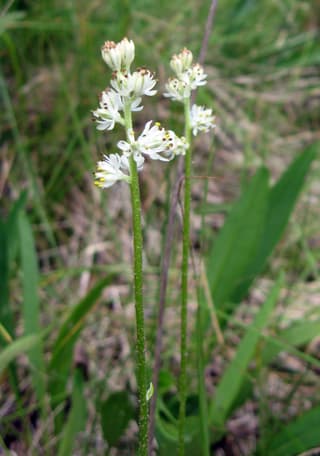
| Sticky false asphodel | Hard | Bright indirect | 1d | ✓ |
| Creeping bentgrass | Hard | Direct sun | 3d | ✓ |
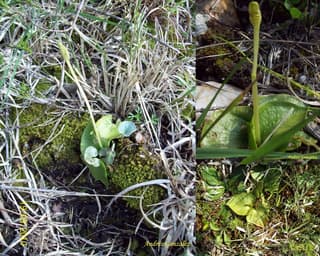
| Bulbous Adder's-tongue | Hard | Partial shade | 4d | ✓ |
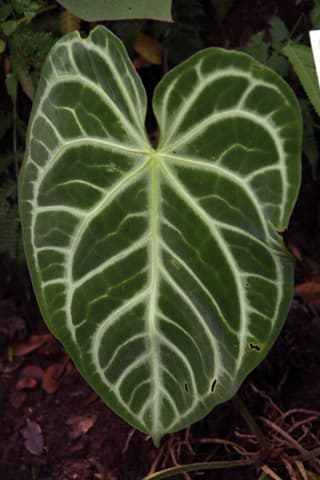
| Crystal Anthurium | Hard | Partial shade | 7d | ⚠️ |