Ranunculaceae
Columbine: Perfect Plant for Beginners
Aquilegia
Easy-care hardy perennial. Grow in well-draining soil with morning sun and afternoon shade in hot climates, keep evenly moist but not soggy, and let plants self-seed for a naturalized look. Cut back after flowering to tidy foliage and reduce leaf-miner damage.
Every 7 days
Partial shade
-15° - 27°C
40% - 70%
Categories
What is Columbine?
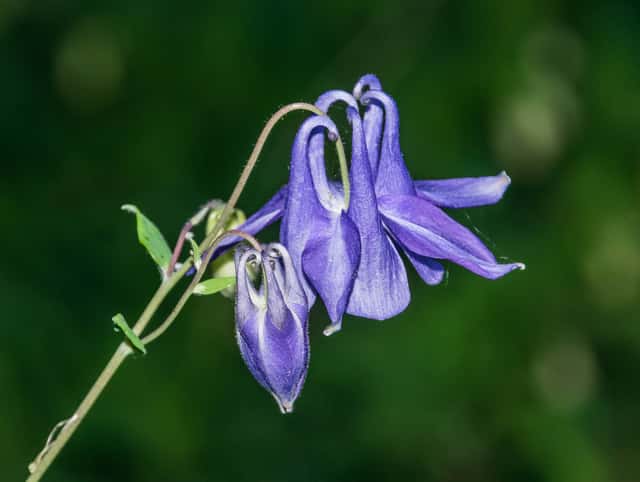
Columbine (Aquilegia) is a easy-care plant from the Ranunculaceae family. Columbine (Aquilegia) is a genus of roughly 60-70 species of hardy herbaceous perennials in the buttercup family, prized for their distinctive spurred, bell-shaped flowers held above delicate, lobed blue-green foliage. Native across the Northern Hemisphere, columbines self-seed readily and bring pol...
Columbine grows up to 75cm, spread of 40cm, watering every 7 days, -15°C – 27°C, 40–70% humidity. It is not suitable for indoor environments and not safe for pets.
Unlike many tropical plants, Columbine tolerates watering mistakes. Best for beginners. Without precautions, ingestion can cause irritation in pets. Keep out of reach of cats and dogs.
How to Care for Columbine?
TLDR: Columbine needs Partial shade, watering every 7 days, and temperatures between -15-27°C with 40-70% humidity.
How Often Should You Water Columbine?
Water regularly to keep soil evenly moist during the growing season, about once a week; established plants tolerate short dry spells but perform best without prolonged drought.
How Much Light Does Columbine Need?
Thrives in full sun to partial shade; in hot summer climates, afternoon shade prevents scorching and prolongs blooming.
What Is the Best Soil for Columbine?
Prefers well-draining, humus-rich soil with a slightly acidic to neutral pH (6.0-7.0); tolerates sandy, loamy, or clay soils as long as drainage is good.
What Pot Should You Use for Columbine?
Use a wide pot at least 30cm deep with drainage holes to accommodate the taproot; unglazed terracotta helps prevent waterlogging.
Care Schedule
Fertilize
Every 14 days
Misting
Every 3 days
Rotate
Every 7 days
Repot
Every 365 days
What Is Columbine and Where Does It Come From?
Columbine (Aquilegia) is a genus of roughly 60-70 species of hardy herbaceous perennials in the buttercup family, prized for their distinctive spurred, bell-shaped flowers held above delicate, lobed blue-green foliage. Native across the Northern Hemisphere, columbines self-seed readily and bring pollinators like hummingbirds and bees to spring and early-summer borders.
How Big Does Columbine Grow?
TLDR: Columbine can reach up to 75cm tall with Medium growth rate.
Max height
75cm
Spread
40cm
Growth rate
Medium
Foliage
Deciduous
Warning: Toxic Plant
This plant can be toxic if ingested. Keep out of reach of:
Plant Uses
Ornamental
Great for decoration
Medicinal Uses
- Historically used in folk medicine for various ailments, but internal use is discouraged today due to toxic glycosides in seeds and roots.
Is your plant showing symptoms?
Click on the symptom to discover possible causes:
What Diseases Commonly Affect Columbine?
TLDR: Columbine is susceptible to 6 known diseases. Monitor regularly for early detection.
Powdery Mildew
Powdery mildew is a common fungal disease caused by various fungi species including Erysiphe, Podosphaera, Oïdium, and Leveillula. It affects over 10,000 plant species worldwide. The disease thrives in warm, dry climates with high humidity and appears as a distinctive white powdery coating on plant surfaces.
Root Rot
Root rot is a serious fungal disease that affects the root system of plants, causing them to decay and die. It is primarily caused by overwatering, poor drainage, or soil-borne fungi such as Pythium, Phytophthora, Rhizoctonia, and Fusarium. The disease thrives in waterlogged conditions where roots are deprived of oxygen, making them susceptible to fungal infection.
Rust
Rust is a common fungal disease caused by fungi in the order Pucciniales that affects a wide variety of plants. The disease gets its name from the characteristic orange, yellow, or reddish-brown pustules that appear on leaves, resembling metal rust. This obligate fungal parasite requires living plants to survive and can cause significant economic losses in agricultural crops.
Leaf Spot
Leaf spot is a common fungal disease caused by various pathogens including Alternaria, Ascochyta, Colletotrichum, Septoria, and Venturia. It primarily affects leaves, causing discolored spots that can lead to premature leaf drop if left untreated.
Meaning & Symbolism
Columbine symbolizes love, folly, and gratitude for kindness; its dove-like flower has also been linked historically to the Holy Spirit.
Compare with similar plants
| Attribute | Difficulty | Light | Watering | Pet Safe |
|---|---|---|---|---|
| Field Maple | Easy | Bright indirect | 14d | ✓ |
| Silver Birch | Easy | Direct sun | 14d | ✓ |
| Common Blanketflower | Easy | Direct sun | 10d | ✓ |
| Cushion Bush | Easy | Direct sun | 14d | ✓ |
Choose & Compare
Sources & References
- Columbine Flowers: Planting, Growing, and Caring for Columbines - Almanac
- Columbine: How to Grow and Care with Success - Gardenia.net
- Growing Aquilegia (Columbine) - White Flower Farm
- Common Columbine Pests: Columbine Leafminer and Columbine Sawfly - Wisconsin Horticulture
- Columbine (Aquilegia spp.) Powdery Mildew - PNW Pest Management Handbooks
- How to Grow and Care for Columbines - Garden.org





