Araceae
Philodendron pinnatifidum (Comb-leaf Philodendron) Care Guide
Philodendron pinnatifidum
This climbing aroid thrives on bright, indirect light, a chunky potting mix that dries a little between waterings, and above-average humidity. Let the top of the soil dry before rewatering, feed monthly during the growing season, and give it a moss pole or trellis to climb as it matures.
Every 7 days
Partial shade
14° - 28°C
30% - 50%
Categories
What is Comb-leaf Philodendron?
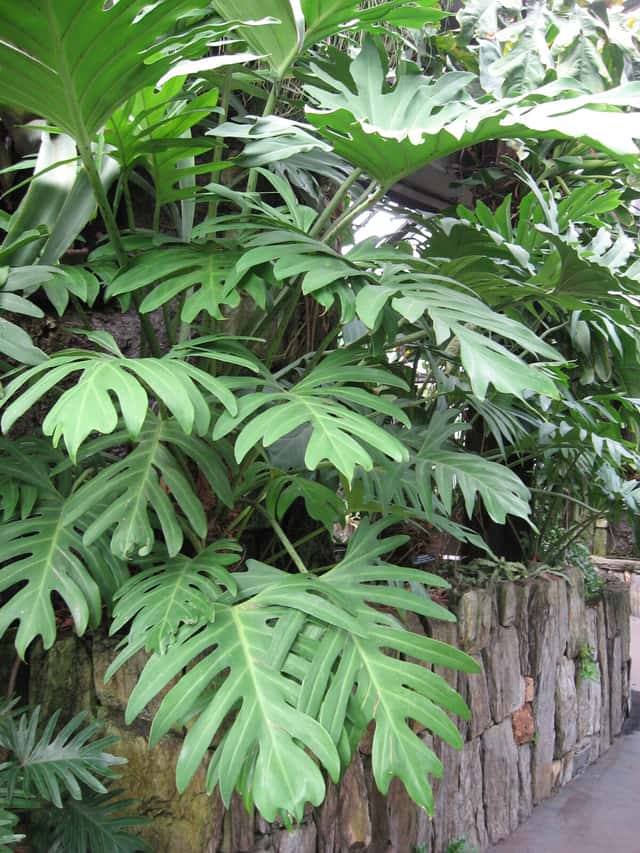
Comb-leaf Philodendron (Philodendron pinnatifidum) is a medium-care plant from the Araceae family. Philodendron pinnatifidum, the comb-leaf philodendron, is a climbing aroid native to Venezuela and northwestern Brazil, prized for its deeply lobed, glossy foliage. In the wild it grows as a hemiepiphyte, climbing tree trunks with aerial roots. It's a moderately easy, eye-catching houseplant suited...
Comb-leaf Philodendron grows up to 50cm, watering every 7 days, 14°C – 28°C, 30–50% humidity. It is suitable for indoor environments and not safe for pets.
Without precautions, ingestion can cause irritation in pets. Keep out of reach of cats and dogs. Without adequate drainage, root rot can develop within 14 days.
How to Care for Comb-leaf Philodendron?
TLDR: Comb-leaf Philodendron needs Partial shade, watering every 7 days, and temperatures between 14-28°C with 30-50% humidity.
How Often Should You Water Comb-leaf Philodendron?
Water thoroughly when the top 2-3 cm of substrate feels dry, then let it drain completely — the thick roots rot quickly in waterlogged soil. Expect to water roughly once a week, more often in bright warm conditions and less in winter.
How Much Light Does Comb-leaf Philodendron Need?
Give it bright, filtered light — an east-facing window or a few feet back from a south/west window works well. Direct midday sun scorches the deeply lobed leaves, while too little light produces smaller, less-cut foliage.
What Is the Best Soil for Comb-leaf Philodendron?
Use a chunky, fast-draining aroid mix — equal parts potting soil, perlite or coarse sand, and orchid bark or coco coir — with a slightly acidic pH around 5.5-6.5. A pot with a generous drainage hole is essential.
What Pot Should You Use for Comb-leaf Philodendron?
An unglazed terracotta pot with a large drainage hole suits it best, wicking away excess moisture and protecting the fleshy roots; size up only one pot size at a time since it's a naturally spreading, climbing plant.
Care Schedule
Fertilize
Every 30 days
Misting
Every 3 days
Rotate
Every 14 days
Repot
Every 730 days
What Is Comb-leaf Philodendron and Where Does It Come From?
Philodendron pinnatifidum, the comb-leaf philodendron, is a climbing aroid native to Venezuela and northwestern Brazil, prized for its deeply lobed, glossy foliage. In the wild it grows as a hemiepiphyte, climbing tree trunks with aerial roots. It's a moderately easy, eye-catching houseplant suited to bright, humid indoor spots.
How to Propagate Comb-leaf Philodendron?
Offset Division
Only separate offsets that already have their own roots for the best success rate, and keep humidity high right after dividing to reduce transplant stress.
- 1 Unpot the plant and locate a rooted offset/sucker growing from the base.
- 2 Gently tease apart or cut the offset from the mother plant with clean, sharp shears, keeping some roots attached.
- 3 Pot the division into a small pot with fresh, chunky aroid mix.
- 4 Water lightly and keep in bright, indirect light with high humidity until new growth appears.
Materials needed:
Stem Cutting
Warmth, bright indirect light and high humidity speed up rooting; change water every few days if rooting in water.
- 1 Cut a healthy stem section with at least one node and one leaf using sterilized shears.
- 2 Let the cut end callus for a few hours in a dry spot.
- 3 Place the cutting in water or moist sphagnum moss, keeping the node submerged or covered.
- 4 Move to a chunky potting mix once roots are a couple of centimeters long.
Materials needed:
How Big Does Comb-leaf Philodendron Grow?
TLDR: Comb-leaf Philodendron can reach up to 50cm tall with Medium growth rate.
Max height
50cm
Growth rate
Medium
Foliage
Evergreen
Warning: Toxic Plant
This plant can be toxic if ingested. Keep out of reach of:
Plant Uses
Ornamental
Great for decoration
Is your plant showing symptoms?
Click on the symptom to discover possible causes:
What Diseases Commonly Affect Comb-leaf Philodendron?
TLDR: Comb-leaf Philodendron is susceptible to 5 known diseases. Monitor regularly for early detection.
Root Rot
Root rot is a serious fungal disease that affects the root system of plants, causing them to decay and die. It is primarily caused by overwatering, poor drainage, or soil-borne fungi such as Pythium, Phytophthora, Rhizoctonia, and Fusarium. The disease thrives in waterlogged conditions where roots are deprived of oxygen, making them susceptible to fungal infection.
Leaf Spot
Leaf spot is a common fungal disease caused by various pathogens including Alternaria, Ascochyta, Colletotrichum, Septoria, and Venturia. It primarily affects leaves, causing discolored spots that can lead to premature leaf drop if left untreated.
Scale Insects
Scale insects are small sap-sucking pests that appear as brown, shell-like bumps on plant stems and leaves. There are over 25 species, divided into armored (hard) and unarmored (soft) scales. They feed by piercing plant tissue and extracting sap, which weakens the plant and can lead to yellowing, stunted growth, and even death if left untreated. They also excrete honeydew, which attracts ants and promotes sooty mold growth.
Mealybugs
Mealybugs are small, soft-bodied insects covered with a white, waxy, cottony material. They are common pests of houseplants and outdoor plants in mild climates. These sap-sucking insects feed on plant tissue, causing damage, stunted growth, and can lead to plant death if left untreated. They produce sticky honeydew which attracts sooty mold.
Meaning & Symbolism
As with many philodendrons, it's commonly associated with abundance, vitality and welcoming energy in home-décor tradition.
Fun Facts
Its deeply cut, comb-like leaf lobes are the source of both its species name (from Latin 'pinnatus', feathered) and its common name, comb-leaf philodendron.
In the wild it behaves as a hemiepiphytic climber, scaling tree trunks with aerial roots rather than staying ground-bound.
It's frequently mislabeled in the plant trade as the similar-looking but distinct Philodendron bipinnatifidum ('tree philodendron').
Frequently asked questions
Is Philodendron pinnatifidum toxic to cats and dogs?
How often does Philodendron pinnatifidum need water?
Why are my Philodendron pinnatifidum's leaves turning yellow?
Does Philodendron pinnatifidum need a moss pole?
How do you propagate Philodendron pinnatifidum?
Compare with similar plants
| Attribute | Difficulty | Light | Watering | Pet Safe |
|---|---|---|---|---|
| Dark Fieldcap | Medium | Low light | 2d | ⚠️ |
| Azalea | Medium | Partial shade | 3d | ⚠️ |
| Muriel's Bamboo | Medium | Partial shade | 3d | ✓ |
| Bougainvillea | Medium | Direct sun | 7d | ⚠️ |
Choose & Compare
Sources & References
- Philodendron pinnatifidum (Jacq.) Schott — Plants of the World Online (Kew)
- Philodendron pinnatifidum — Wikipedia
- Philodendron pinnatifidum o Filodendro | Cuidados — Consultaplantas
- Comb-Leaf Philodendron (Philodendron Pinnatifidum) Care Guide — Plantiary
- Common Philodendron Problems — Plant Addicts
- Philodendron | Home & Garden Information Center — Clemson




