Aizoaceae
Common Ice Plant (Mesembryanthemum): How to Grow This Hardy Succulent
Mesembryanthemum
Grow the common ice plant in full sun with sandy, fast-draining soil, and water only once the soil has dried out completely. It is a low-maintenance, drought- and salt-tolerant plant, well suited to coastal gardens, rockeries, or outdoor containers. Avoid overwatering and stagnant moisture, which encourage root rot.
Every 14 days
Direct sun
-5° - 30°C
30% - 50%
Categories
What is Common Ice Plant?
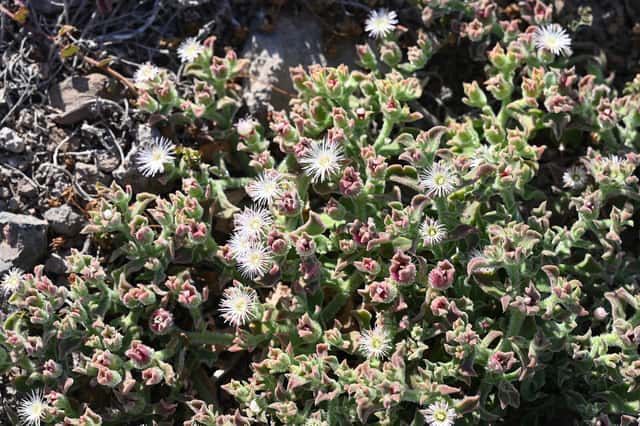
Common Ice Plant (Mesembryanthemum) is a easy-care plant from the Aizoaceae family. Mesembryanthemum is a genus of succulent annual or biennial plants in the family Aizoaceae, native to southern and eastern Africa. It is best known for the glistening, bladder-like epidermal cells (papillae) covering its leaves and stems, which give the plant a frosted, ice-crystal appearance and in...
Common Ice Plant grows up to 15cm, spread of 100cm, watering every 14 days, -5°C – 30°C, 30–50% humidity. It is not suitable for indoor environments and safe for pets.
Unlike many tropical plants, Common Ice Plant tolerates watering mistakes. Best for beginners. Unlike many popular species, Common Ice Plant is safe to keep around pets.
How to Care for Common Ice Plant?
TLDR: Common Ice Plant needs Direct sun, watering every 14 days, and temperatures between -5-30°C with 30-50% humidity.
How Often Should You Water Common Ice Plant?
Water sparingly, letting the soil dry out completely between waterings. In warm, dry climates watering every 10-14 days is usually sufficient; reduce further in winter.
How Much Light Does Common Ice Plant Need?
Needs full sun, at least 6-8 hours of direct light daily. In very hot climates, light afternoon shade can help prevent leaf scorch.
What Is the Best Soil for Common Ice Plant?
Requires sandy or gritty, fast-draining soil. A cactus/succulent mix, or regular potting soil amended with coarse sand and perlite, works well.
What Pot Should You Use for Common Ice Plant?
A terracotta or clay pot with drainage holes, to allow the substrate to dry quickly.
What Is Common Ice Plant and Where Does It Come From?
Mesembryanthemum is a genus of succulent annual or biennial plants in the family Aizoaceae, native to southern and eastern Africa. It is best known for the glistening, bladder-like epidermal cells (papillae) covering its leaves and stems, which give the plant a frosted, ice-crystal appearance and inspired both its common and scientific names. It is a facultative halophyte, tolerating saline soils by storing salt in these epidermal bladder cells, and it can shift from C3 photosynthesis to Crassulacean Acid Metabolism (CAM) under drought or salt stress. Widely grown as an ornamental ground cover in coastal and rock gardens, it is also used as a leafy vegetable and in traditional medicine.
How to Propagate Common Ice Plant?
Seed sowing
Seeds are very small; mix with fine sand for even distribution. Avoid waterlogging the substrate.
- 1 Scatter the fine seeds over lightly moist sandy substrate
- 2 Do not cover the seeds, as they need light to germinate
- 3 Keep in indirect light at 18-22°C (64-72°F)
- 4 Transplant seedlings once they have 2-3 true leaves
Materials needed:
Stem cutting
Use clean tools. Water sparingly until rooting is evident.
- 1 Cut a healthy 5-8 cm (2-3 in) stem segment
- 2 Let the cutting callus for 1-2 days in a dry, shaded spot
- 3 Plant in lightly moist sandy substrate
- 4 Keep in indirect light until rooted
Materials needed:
How Big Does Common Ice Plant Grow?
TLDR: Common Ice Plant can reach up to 15cm tall with Fast growth rate.
Max height
15cm
Spread
1.0m
Growth rate
Fast
Foliage
Deciduous
Plant Uses
Edible
Can be consumed
Medicinal
Medicinal properties
Ground Cover
Soil coverage
Ornamental
Great for decoration
Medicinal Uses
- Traditionally used as a diuretic and demulcent for inflammation of respiratory and urinary mucous membranes
- Antioxidant and antimicrobial properties attributed to the leaves
Culinary Uses
- Leaves cooked as a spinach substitute, with a mildly tangy, salty flavor
- Leaves and stems eaten raw or cooked in salads
Is your plant showing symptoms?
Click on the symptom to discover possible causes:
What Diseases Commonly Affect Common Ice Plant?
TLDR: Common Ice Plant is susceptible to 8 known diseases. Monitor regularly for early detection.
Root Rot
Root rot is a serious fungal disease that affects the root system of plants, causing them to decay and die. It is primarily caused by overwatering, poor drainage, or soil-borne fungi such as Pythium, Phytophthora, Rhizoctonia, and Fusarium. The disease thrives in waterlogged conditions where roots are deprived of oxygen, making them susceptible to fungal infection.
Powdery Mildew
Powdery mildew is a common fungal disease caused by various fungi species including Erysiphe, Podosphaera, Oïdium, and Leveillula. It affects over 10,000 plant species worldwide. The disease thrives in warm, dry climates with high humidity and appears as a distinctive white powdery coating on plant surfaces.
Damping Off
Damping off is a soil-borne fungal disease that affects seeds and young seedlings, causing rotting of stem and root tissues at and below the soil line. It is caused by several fungi including Pythium, Rhizoctonia, Fusarium, and Phytophthora. The disease thrives in cold, wet conditions with poor air circulation.
Aphids
Aphids are small, soft-bodied, pear-shaped insects (1/16 to 1/8 inch long) that feed by sucking nutrient-rich sap from plants. They reproduce rapidly and can quickly weaken plants, causing distorted growth and transmitting plant viruses. Aphids come in various colors including green, black, red, yellow, brown, and gray. They secrete honeydew, a sticky substance that attracts ants and encourages sooty mold growth.
Meaning & Symbolism
Associated with resilience and adaptability, the ice plant symbolizes the ability to thrive in harsh conditions such as salty, arid soils, making it a symbol of endurance.
Fun Facts
The leaves and stems are covered in glistening bladder cells called papillae that look like ice crystals and help store water and salt
It can switch between C3 photosynthesis and CAM metabolism depending on water or salt stress levels
Each seed capsule can contain around 200 tiny seeds
Frequently asked questions
Is the common ice plant edible?
How often should I water a common ice plant?
Does the ice plant tolerate salty soil?
When is the best time to plant ice plant?
Compare with similar plants
| Attribute | Difficulty | Light | Watering | Pet Safe |
|---|---|---|---|---|
| Field Maple | Easy | Bright indirect | 14d | ✓ |
| Silver Birch | Easy | Direct sun | 14d | ✓ |
| Common Blanketflower | Easy | Direct sun | 10d | ✓ |
| Cushion Bush | Easy | Direct sun | 14d | ✓ |





