Pteridaceae
Common Maidenhair Fern - Adiantum aethiopicum
Adiantum aethiopicum
Thrives in bright indirect light with no direct sun, and rich, organic soil that stays evenly moist but never waterlogged or dry. It is extremely sensitive to fluctuations in soil and air moisture: if the potting mix dries out completely, fronds will turn brown and brittle within a day. Grow it in naturally humid rooms like bathrooms and kitchens, or use humidity trays and regular misting.
Every 3 days
Partial shade
15° - 24°C
60% - 80%
Categories
What is Common Maidenhair Fern?
Common Maidenhair Fern (Adiantum aethiopicum) is a hard-care plant from the Pteridaceae family. Adiantum aethiopicum, commonly known as the common or bush maidenhair fern, is a small evergreen fern native to tropical and southern Africa, Madagascar, Australia, New Zealand and New Caledonia. Its delicate, fan-shaped leaflets are carried on thin, glossy, near-black stems that contrast beautifull...
Common Maidenhair Fern grows up to 45cm, spread of 45cm, watering every 3 days, 15°C – 24°C, 60–80% humidity. It is suitable for indoor environments and safe for pets.
Unlike easy-care plants, Common Maidenhair Fern demands constant attention to humidity and light. Not recommended for beginners. Unlike many popular species, Common Maidenhair Fern is safe to keep around pets. Without adequate drainage, root rot can develop within 7 days.
How to Care for Common Maidenhair Fern?
TLDR: Common Maidenhair Fern needs Partial shade, watering every 3 days, and temperatures between 15-24°C with 60-80% humidity.
How Often Should You Water Common Maidenhair Fern?
Water frequently enough to keep the soil consistently lightly moist to the touch, never soggy. Use rainwater, filtered or distilled water when possible, since this fern is sensitive to the fluoride and chlorine in tap water.
How Much Light Does Common Maidenhair Fern Need?
Place in bright, indirect light, such as near a window filtered by a sheer curtain. Avoid direct sun, especially at midday, as it quickly scorches the delicate fronds.
What Is the Best Soil for Common Maidenhair Fern?
Use a rich, organic, well-draining potting mix, such as a blend of potting soil, worm castings and coconut coir. Aim for a slightly acidic to neutral pH.
What Pot Should You Use for Common Maidenhair Fern?
Ceramic or plastic pots with good drainage and some moisture retention work well; avoid porous unglazed terracotta, which dries out the soil too quickly for this species.
Care Schedule
Fertilize
Every 30 days
Misting
Every 3 days
Rotate
Every 14 days
Repot
Every 365 days
What Is Common Maidenhair Fern and Where Does It Come From?
Adiantum aethiopicum, commonly known as the common or bush maidenhair fern, is a small evergreen fern native to tropical and southern Africa, Madagascar, Australia, New Zealand and New Caledonia. Its delicate, fan-shaped leaflets are carried on thin, glossy, near-black stems that contrast beautifully with the bright green foliage. It spreads through creeping rhizomes, forming dense colonies in shaded, moist environments, whether in protected outdoor gardens or in pots indoors.
How to Propagate Common Maidenhair Fern?
Rhizome division
Divide in spring while the plant is actively growing, and avoid letting the soil dry out during rooting.
- 1 Remove the plant from its pot and locate the creeping rhizomes near the soil surface.
- 2 Cut rhizome sections with at least two or three healthy fronds using a clean knife.
- 3 Plant each section in rich, moist potting mix, keeping the rhizome close to the surface.
- 4 Keep in a shaded, humid spot until new growth appears.
Materials needed:
Spore propagation
A slow method mostly used by experienced growers; it requires a stable environment with constant high humidity.
- 1 Collect mature spores from the underside of fronds once they turn dark.
- 2 Scatter the spores over sterile, moist growing medium.
- 3 Cover the container with clear plastic to maintain high humidity.
- 4 Wait for germination and prothallus development before transplanting seedlings.
Materials needed:
How Big Does Common Maidenhair Fern Grow?
TLDR: Common Maidenhair Fern can reach up to 45cm tall with Medium growth rate.
Max height
45cm
Spread
45cm
Growth rate
Medium
Foliage
Evergreen
Plant Uses
Ornamental
Great for decoration
Ground Cover
Soil coverage
Is your plant showing symptoms?
Click on the symptom to discover possible causes:
What Diseases Commonly Affect Common Maidenhair Fern?
TLDR: Common Maidenhair Fern is susceptible to 6 known diseases. Monitor regularly for early detection.
Slugs and Snails
Slugs and snails are mollusks that feed on plant tissue, causing irregular holes in leaves and damage to young seedlings. They are most active at night and in moist conditions, leaving characteristic silvery slime trails. These pests can quickly devastate gardens, especially during wet seasons.
Spider Mites
Spider mites are tiny arachnids (less than 1/20 inch long) related to spiders and ticks that feed on plant sap. They thrive in hot, dry conditions and can cause significant damage to ornamental and vegetable plants. During severe infestations, crop losses can reach 14% or higher as these pests disrupt vital plant processes including photosynthesis, carbon dioxide absorption, and transpiration.
Mealybugs
Mealybugs are small, soft-bodied insects covered with a white, waxy, cottony material. They are common pests of houseplants and outdoor plants in mild climates. These sap-sucking insects feed on plant tissue, causing damage, stunted growth, and can lead to plant death if left untreated. They produce sticky honeydew which attracts sooty mold.
Scale Insects
Scale insects are small sap-sucking pests that appear as brown, shell-like bumps on plant stems and leaves. There are over 25 species, divided into armored (hard) and unarmored (soft) scales. They feed by piercing plant tissue and extracting sap, which weakens the plant and can lead to yellowing, stunted growth, and even death if left untreated. They also excrete honeydew, which attracts ants and promotes sooty mold growth.
Meaning & Symbolism
In Victorian-era flower symbolism, ferns represent sincerity, humility and magic; the delicate, ever-unfurling fronds of maidenhair fern are often associated with new beginnings and quiet resilience.
Fun Facts
Its fronds grow on wiry, glossy, near-black stems that naturally repel water.
It is one of the few ferns that forms creeping colonies through underground rhizomes.
The maidenhair fern gets its name from its fine, hair-like black stalks.
Frequently asked questions
Is common maidenhair fern toxic to cats and dogs?
Why are my maidenhair fern fronds turning brown?
Can I grow common maidenhair fern indoors?
How often should I water common maidenhair fern?
Compare with similar plants
| Attribute | Difficulty | Light | Watering | Pet Safe |
|---|---|---|---|---|
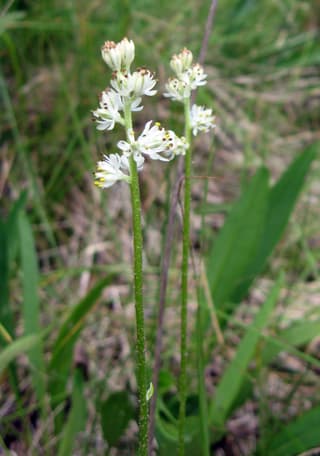
| Sticky false asphodel | Hard | Bright indirect | 1d | ✓ |
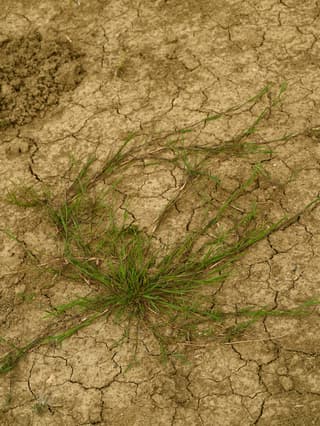
| Creeping bentgrass | Hard | Direct sun | 3d | ✓ |
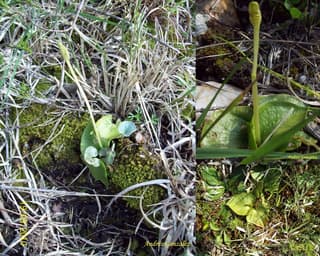
| Bulbous Adder's-tongue | Hard | Partial shade | 4d | ✓ |
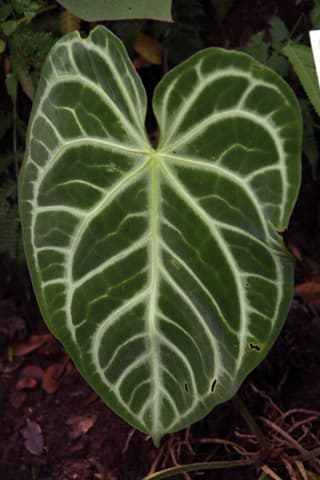
| Crystal Anthurium | Hard | Partial shade | 7d | ⚠️ |