Asteraceae
Common Ragwort (Jacobaea vulgaris)
Jacobaea vulgaris
An extremely low-maintenance, self-sufficient wildflower outdoors; should never be grown near grazing pastures or stables because of its toxicity to livestock.
Every 14 days
Bright indirect
-15° - 30°C
40% - 70%
Categories
What is Common Ragwort?
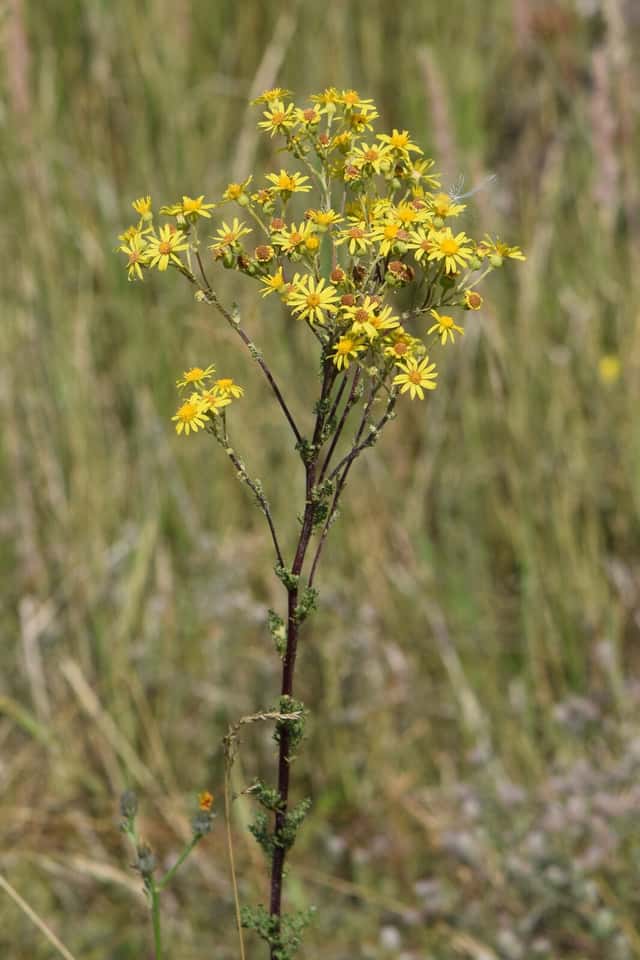
Common Ragwort (Jacobaea vulgaris) is a easy-care plant from the Asteraceae family. Common ragwort (Jacobaea vulgaris, syn. Senecio jacobaea) is a biennial herbaceous plant in the daisy family (Asteraceae), native to northern Eurasia and now naturalized worldwide. It forms a leaf rosette in its first year and a flowering stem up to 2 m tall in its second, bearing clusters of bright...
Common Ragwort grows up to 2.0m, spread of 50cm, watering every 14 days, -15°C – 30°C, 40–70% humidity. It is not suitable for indoor environments and not safe for pets.
Unlike many tropical plants, Common Ragwort tolerates watering mistakes. Best for beginners. Without precautions, ingestion can cause irritation in pets. Keep out of reach of cats and dogs.
How to Care for Common Ragwort?
TLDR: Common Ragwort needs Bright indirect, watering every 14 days, and temperatures between -15-30°C with 40-70% humidity.
How Often Should You Water Common Ragwort?
Very drought-tolerant; water only during prolonged dry spells, letting soil dry out between waterings.
How Much Light Does Common Ragwort Need?
Prefers full sun to partial shade; best flowering occurs in full sun.
What Is the Best Soil for Common Ragwort?
Poor, well-draining soils, sandy to loamy; tolerates compacted, low-fertility ground.
What Is Common Ragwort and Where Does It Come From?
Common ragwort (Jacobaea vulgaris, syn. Senecio jacobaea) is a biennial herbaceous plant in the daisy family (Asteraceae), native to northern Eurasia and now naturalized worldwide. It forms a leaf rosette in its first year and a flowering stem up to 2 m tall in its second, bearing clusters of bright yellow daisy-like flowers from summer into autumn. It grows wild on wasteland, roadsides, and poor grazing pastures. WARNING: this plant is toxic, containing hepatotoxic pyrrolizidine alkaloids dangerous to horses, cattle, and humans, particularly when dried in hay.
How to Propagate Common Ragwort?
Seed sowing
Self-seeds very readily; in many regions it is a regulated noxious/invasive weed, so check local regulations before deliberate propagation.
- 1 Collect the fluffy pappus-bearing seeds once flower heads dry
- 2 Scatter over poor, well-draining soil without covering (needs light to germinate)
- 3 Keep lightly moist until germination
Materials needed:
How Big Does Common Ragwort Grow?
TLDR: Common Ragwort can reach up to 2.0m tall with Fast growth rate.
Max height
2.0m
Spread
50cm
Growth rate
Fast
Foliage
Deciduous
Warning: Toxic Plant
This plant can be toxic if ingested. Keep out of reach of:
Plant Uses
Ornamental
Great for decoration
Is your plant showing symptoms?
Click on the symptom to discover possible causes:
What Diseases Commonly Affect Common Ragwort?
TLDR: Common Ragwort is susceptible to 3 known diseases. Monitor regularly for early detection.
Rust
Rust is a common fungal disease caused by fungi in the order Pucciniales that affects a wide variety of plants. The disease gets its name from the characteristic orange, yellow, or reddish-brown pustules that appear on leaves, resembling metal rust. This obligate fungal parasite requires living plants to survive and can cause significant economic losses in agricultural crops.
Caterpillars
Caterpillars are the larval stage of moths and butterflies that feed voraciously on plant foliage, stems, flowers, and fruits. Common species include cabbage loopers, tomato hornworms, armyworms, and cutworms. These pests can cause extensive damage by consuming large amounts of plant tissue in a short time. They vary in size from small (1/4 inch) to large (5 inches), with colors ranging from green to brown, often featuring stripes or spots. Caterpillars are highly mobile and can quickly spread throughout gardens, making them one of the most destructive common pests.
Flea beetle damage
Flea beetles are small, jumping insects that feed on the leaves of many vegetable crops. They chew numerous small, circular holes, creating a characteristic 'shothole' appearance. While established plants can often tolerate the damage, young seedlings are highly susceptible and can be stunted or killed if the infestation is severe.
Fun Facts
A single plant can produce 2,000-2,500 flowers in one season
It is the host plant for the black-and-orange cinnabar moth caterpillar
The name 'jacobaea' honors St. James, since it typically flowers around 25 July, his feast day
Frequently asked questions
Is common ragwort toxic?
Where does common ragwort grow?
Is common ragwort good for wildlife?
Compare with similar plants
| Attribute | Difficulty | Light | Watering | Pet Safe |
|---|---|---|---|---|
| Field Maple | Easy | Bright indirect | 14d | ✓ |
| Silver Birch | Easy | Direct sun | 14d | ✓ |
| Common Blanketflower | Easy | Direct sun | 10d | ✓ |
| Cushion Bush | Easy | Direct sun | 14d | ✓ |
Choose & Compare
Sources & References
- Jacobaea vulgaris - Wikipedia
- Common Ragwort (Jacobaea Vulgaris) Care Guide - Plantiary
- Pyrrolizidine Alkaloidosis in Animals - Merck Veterinary Manual
- Ragwort Poisoning in Horses - HorseDVM
- Common Ragwort or Jacobaea vulgaris - Wonderful Weed Weekly
- Ragwort guide - Countryfile
- Jacobaea vulgaris - ScienceDirect Topics





