Phallaceae
Common Stinkhorn: Edible Plant
Phallus impudicus
As a fungus, it does not require traditional care; it needs moist, humus-rich soil and a shaded environment in the wild.
Every 2 days
Low light
10° - 25°C
70% - 95%
Categories
What is Common Stinkhorn?
Common Stinkhorn (Phallus impudicus) is a hard-care plant from the Phallaceae family. The common stinkhorn is a striking and unusual fungus, best known for its pervasive, carrion-like odor. Its development begins with the 'witch's egg' stage, from which a porous, white stalk emerges remarkably fast, often within hours. The cap is covered in a dark green, slimy gleba containing the sp...
Common Stinkhorn grows up to 25cm, spread of 10cm, watering every 2 days, 10°C – 25°C, 70–95% humidity. It is not suitable for indoor environments and not safe for pets.
Unlike easy-care plants, Common Stinkhorn demands constant attention to humidity and light. Not recommended for beginners. Without precautions, ingestion can cause irritation in pets. Keep out of reach of cats and dogs.
How to Care for Common Stinkhorn?
TLDR: Common Stinkhorn needs Low light, watering every 2 days, and temperatures between 10-25°C with 70-95% humidity.
How Often Should You Water Common Stinkhorn?
It requires a constantly moist environment; drying out will stop its development.
How Much Light Does Common Stinkhorn Need?
It avoids direct sunlight, preferring deep shade and damp forest floors.
What Is the Best Soil for Common Stinkhorn?
It thrives in nitrogen-rich soil filled with decaying organic matter.
What Pot Should You Use for Common Stinkhorn?
Not suitable for pot cultivation; it requires natural forest soil.
Care Schedule
Misting
Every 1 days
What Is Common Stinkhorn and Where Does It Come From?
The common stinkhorn is a striking and unusual fungus, best known for its pervasive, carrion-like odor. Its development begins with the 'witch's egg' stage, from which a porous, white stalk emerges remarkably fast, often within hours. The cap is covered in a dark green, slimy gleba containing the spores, which attracts flies to aid in dispersal.
How to Propagate Common Stinkhorn?
Spore propagation
- The chance of success is higher if left to propagate in its natural habitat.
- Moisture is critical for mycelium growth.
- 1 Spore collection
Collecting the mature gleba visited by flies.
- 2 Substrate preparation
Providing soil mixed with moist, decaying wood and leaf litter.
- 3 Inoculation
Releasing the spores into a shaded, moist area.
Materials needed:
How Big Does Common Stinkhorn Grow?
TLDR: Common Stinkhorn can reach up to 25cm tall with Fast growth rate.
Max height
25cm
Spread
10cm
Growth rate
Fast
Warning: Toxic Plant
This plant can be toxic if ingested. Keep out of reach of:
Plant Uses
Medicinal
Medicinal properties
Edible
Can be consumed
Medicinal Uses
- Used in folk medicine to treat gout
- Attributed with hemostatic properties
Culinary Uses
- In the young 'witch's egg' stage, the inner core is edible, raw or fried
- Consumed as a delicacy in parts of France and Germany
Is your plant showing symptoms?
Click on the symptom to discover possible causes:
Meaning & Symbolism
It is often associated with fertility and rapid growth due to its phallic shape.
Compare with similar plants
| Attribute | Difficulty | Light | Watering | Pet Safe |
|---|---|---|---|---|
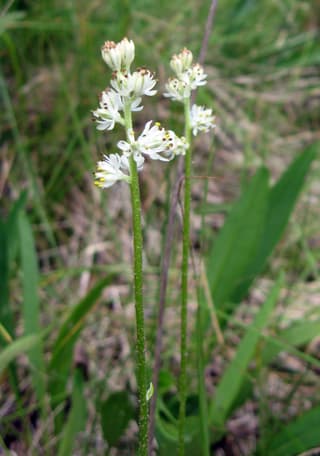
| Sticky false asphodel | Hard | Bright indirect | 1d | ✓ |
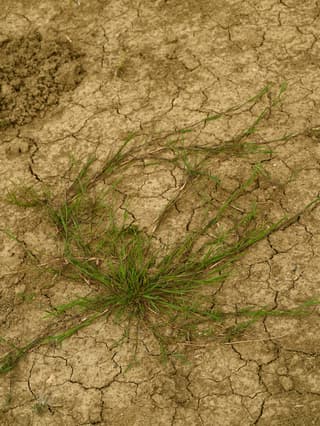
| Creeping bentgrass | Hard | Direct sun | 3d | ✓ |
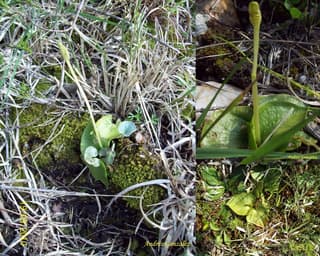
| Bulbous Adder's-tongue | Hard | Partial shade | 4d | ✓ |
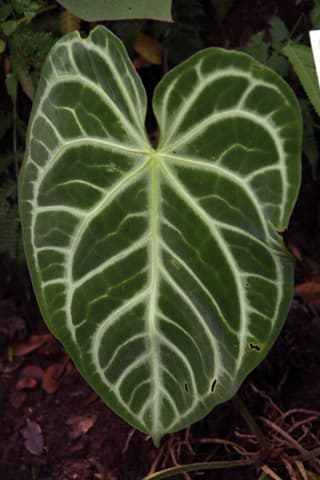
| Crystal Anthurium | Hard | Partial shade | 7d | ⚠️ |