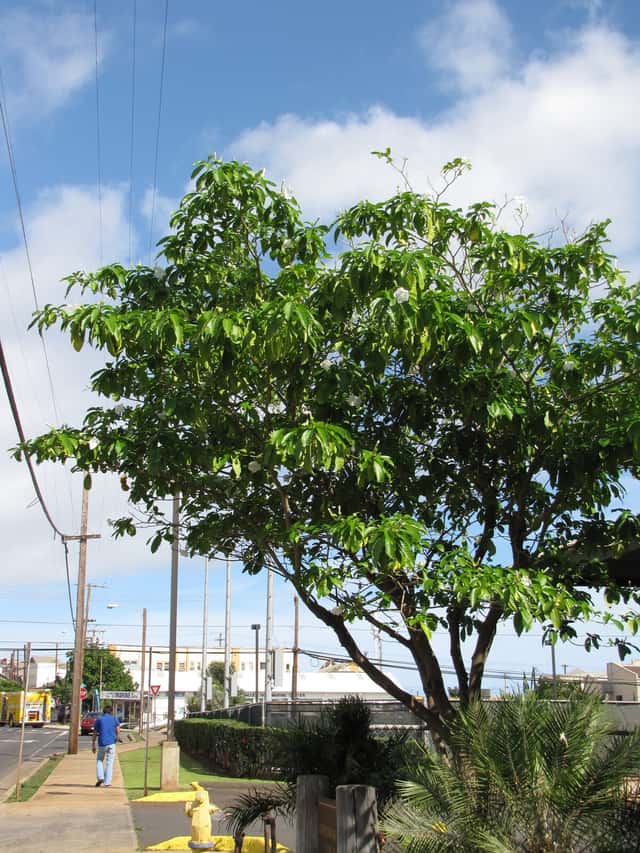
Apocynaceae
Crepe Jasmine: Aromatic Plant
Tabernaemontana
An easy-care, pest-resistant shrub that thrives in bright, indirect light with some morning sun, moderate watering once the topsoil dries, and acidic, well-draining soil. Protect from hard freezes and prune lightly after flowering to keep a tidy shape.
Every 10 days
Partial shade
10° - 35°C
40% - 60%
Categories
What is Crepe Jasmine?
Crepe Jasmine (Tabernaemontana) is a easy-care plant from the Apocynaceae family. Tabernaemontana is a genus of evergreen shrubs and small trees in the dogbane family (Apocynaceae), native to the tropics and subtropics of Asia, Africa and the Americas. Best known through the widely cultivated species Tabernaemontana divaricata (crepe jasmine), plants in this genus have glossy dar...
Crepe Jasmine grows up to 3.0m, spread of 180cm, watering every 10 days, 10°C – 35°C, 40–60% humidity. It is suitable for indoor environments and not safe for pets.
Unlike many tropical plants, Crepe Jasmine tolerates watering mistakes. Best for beginners. Without precautions, ingestion can cause irritation in pets. Keep out of reach of cats and dogs. Without adequate drainage, root rot can develop within 20 days.
How to Care for Crepe Jasmine?
TLDR: Crepe Jasmine needs Partial shade, watering every 10 days, and temperatures between 10-35°C with 40-60% humidity.
How Often Should You Water Crepe Jasmine?
Let the top few centimeters of soil dry out between waterings; established plants tolerate short dry spells but dislike sitting in soggy soil.
How Much Light Does Crepe Jasmine Need?
Give bright, indirect light or filtered shade for the best foliage; some morning sun is fine, but shield from intense afternoon sun to avoid leaf scorch.
What Is the Best Soil for Crepe Jasmine?
Use a rich, well-draining, slightly acidic mix (potting soil with perlite and orchid bark works well); alkaline soil may need extra iron/fertilizer to prevent chlorosis.
What Pot Should You Use for Crepe Jasmine?
A terracotta pot with ample drainage holes suits this species well, helping excess moisture escape and preventing root rot.
Care Schedule
Fertilize
Every 90 days
What Is Crepe Jasmine and Where Does It Come From?
Tabernaemontana is a genus of evergreen shrubs and small trees in the dogbane family (Apocynaceae), native to the tropics and subtropics of Asia, Africa and the Americas. Best known through the widely cultivated species Tabernaemontana divaricata (crepe jasmine), plants in this genus have glossy dark-green leaves and clusters of waxy, pinwheel-shaped white flowers that are especially fragrant at night. Like other Apocynaceae, every part of the plant exudes a milky latex sap when cut.
How to Propagate Crepe Jasmine?
Stem cutting
Wear gloves when handling cuttings since the milky latex sap can irritate skin; use clean, sharp tools and change rooting water weekly if rooting in water.
- 1 Select a healthy, non-flowering stem with visible nodes
- 2 Cut at a 45-degree angle just below a node using sterile pruners
- 3 Remove the lower leaves, leaving 2-3 at the top
- 4 Dip the cut end in rooting hormone (optional)
- 5 Plant in a well-draining mix of potting soil, perlite and orchid bark
- 6 Keep the substrate moist but never waterlogged and provide bright, indirect light
Materials needed:
How Big Does Crepe Jasmine Grow?
TLDR: Crepe Jasmine can reach up to 3.0m tall with Medium growth rate.
Max height
3.0m
Spread
1.8m
Growth rate
Medium
Foliage
Evergreen
Warning: Toxic Plant
This plant can be toxic if ingested. Keep out of reach of:
Plant Uses
Ornamental
Great for decoration
Aromatic
Pleasant fragrance
Medicinal
Medicinal properties
Medicinal Uses
- Roots and latex used in traditional Ayurvedic and folk medicine for skin ailments and as an eye remedy, though efficacy is not scientifically confirmed
Is your plant showing symptoms?
Click on the symptom to discover possible causes:
What Diseases Commonly Affect Crepe Jasmine?
TLDR: Crepe Jasmine is susceptible to 7 known diseases. Monitor regularly for early detection.
Mealybugs
Mealybugs are small, soft-bodied insects covered with a white, waxy, cottony material. They are common pests of houseplants and outdoor plants in mild climates. These sap-sucking insects feed on plant tissue, causing damage, stunted growth, and can lead to plant death if left untreated. They produce sticky honeydew which attracts sooty mold.
Aphids
Aphids are small, soft-bodied, pear-shaped insects (1/16 to 1/8 inch long) that feed by sucking nutrient-rich sap from plants. They reproduce rapidly and can quickly weaken plants, causing distorted growth and transmitting plant viruses. Aphids come in various colors including green, black, red, yellow, brown, and gray. They secrete honeydew, a sticky substance that attracts ants and encourages sooty mold growth.
Sooty Mold
Sooty mold is a fungal disease that develops on surfaces coated with honeydew, a sticky sweet substance secreted by sap-sucking insects like aphids, scale insects, and whiteflies. While it does not directly infect plant tissue, it reduces photosynthetic capacity by blocking sunlight and diminishes the plant's aesthetic appearance.
Scale Insects
Scale insects are small sap-sucking pests that appear as brown, shell-like bumps on plant stems and leaves. There are over 25 species, divided into armored (hard) and unarmored (soft) scales. They feed by piercing plant tissue and extracting sap, which weakens the plant and can lead to yellowing, stunted growth, and even death if left untreated. They also excrete honeydew, which attracts ants and promotes sooty mold growth.
Meaning & Symbolism
In many Asian traditions the fragrant white flowers symbolize purity and devoted love; one nickname, "Nero's Crown", ties the plant to Roman legend.
Compare with similar plants
| Attribute | Difficulty | Light | Watering | Pet Safe |
|---|---|---|---|---|
| Field Maple | Easy | Bright indirect | 14d | ✓ |
| Silver Birch | Easy | Direct sun | 14d | ✓ |
| Common Blanketflower | Easy | Direct sun | 10d | ✓ |
| Cushion Bush | Easy | Direct sun | 14d | ✓ |





