Myrtaceae
Crimson bottlebrush: Pet-Safe Plant
Melaleuca citrina
Easy-to-grow ornamental shrub requiring full sun and well-drained soil. Once established, the plant is highly drought-tolerant and responsive to pruning. Grows 4-8 meters tall with similar spread. Hardy in USDA zones 9-11 (minimum -10°C). Generally pest and disease-resistant with proper drainage and cultural care.
Every 7-10 days
Bright indirect
-10° - °C
% - %
Categories
What is Crimson bottlebrush?
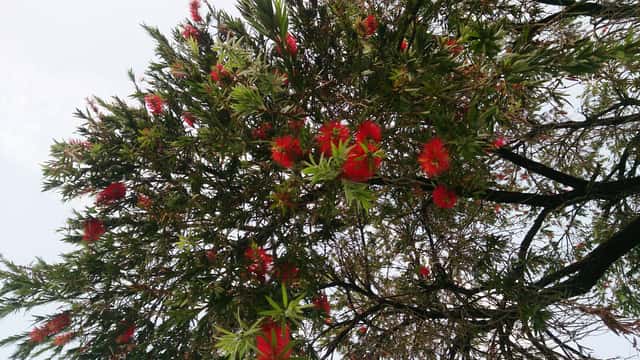
Crimson bottlebrush (Melaleuca citrina) is a easy-care plant from the Myrtaceae family. Melaleuca citrina, commonly known as crimson bottlebrush, is an evergreen shrub or small tree native to eastern Australia and endemic to coastal regions of New South Wales and Victoria. It belongs to the Myrtaceae (myrtle) family and was among the first Australian plants cultivated outside the count...
Crimson bottlebrush grows up to 4.5m, spread of 300cm. It is not suitable for indoor environments and safe for pets.
Unlike many tropical plants, Crimson bottlebrush tolerates watering mistakes. Best for beginners. Unlike many popular species, Crimson bottlebrush is safe to keep around pets.
How to Care for Crimson bottlebrush?
TLDR: Crimson bottlebrush needs Bright indirect, watering every 7 days, and temperatures between -10-30°C with 40-70% humidity.
How Often Should You Water Crimson bottlebrush?
Water regularly during establishment phase (1-2 times weekly in summer) until root system is strong. Mature plants tolerate drought well. Reduce watering in winter and always ensure soil does not become waterlogged, as poor drainage causes root rot.
How Much Light Does Crimson bottlebrush Need?
Requires full sun (south or west-facing aspect) for vigorous growth and abundant flowering. Insufficient light results in sparse flowers and poor branch structure. Tolerates coastal exposure well.
What Is the Best Soil for Crimson bottlebrush?
Prefers moist but well-drained, neutral to slightly acidic soil. Sandy-loamy mixtures are ideal. Avoid heavy clay or compacted soils that retain excess moisture. Amend poor soil with compost at planting time.
What Pot Should You Use for Crimson bottlebrush?
Best suited for open garden planting. Container cultivation possible in cooler zones but requires excellent drainage and is not ideal long-term.
What Is Crimson bottlebrush and Where Does It Come From?
Melaleuca citrina, commonly known as crimson bottlebrush, is an evergreen shrub or small tree native to eastern Australia and endemic to coastal regions of New South Wales and Victoria. It belongs to the Myrtaceae (myrtle) family and was among the first Australian plants cultivated outside the country (introduced to England in 1770). The plant is renowned for its striking bright red flower spikes that bloom primarily in summer, attracting honeyeaters, spinebills, and other birds. The lanceolate evergreen leaves release a pleasant citrus-like fragrance when brushed or crushed.
How Big Does Crimson bottlebrush Grow?
TLDR: Crimson bottlebrush can reach up to 4.5m tall with Medium growth rate.
Max height
4.5m
Spread
3.0m
Growth rate
Medium
Foliage
Evergreen
Plant Uses
Ornamental
Great for decoration
Culinary Uses
- Leaves can be brewed as a tea substitute with a refreshing, pleasant citrus flavor
Is your plant showing symptoms?
Click on the symptom to discover possible causes:
What Diseases Commonly Affect Crimson bottlebrush?
TLDR: Crimson bottlebrush is susceptible to 4 known diseases. Monitor regularly for early detection.
Root Rot
Root rot is a serious fungal disease that affects the root system of plants, causing them to decay and die. It is primarily caused by overwatering, poor drainage, or soil-borne fungi such as Pythium, Phytophthora, Rhizoctonia, and Fusarium. The disease thrives in waterlogged conditions where roots are deprived of oxygen, making them susceptible to fungal infection.
Scale Insects
Scale insects are small sap-sucking pests that appear as brown, shell-like bumps on plant stems and leaves. There are over 25 species, divided into armored (hard) and unarmored (soft) scales. They feed by piercing plant tissue and extracting sap, which weakens the plant and can lead to yellowing, stunted growth, and even death if left untreated. They also excrete honeydew, which attracts ants and promotes sooty mold growth.
Mealybugs
Mealybugs are small, soft-bodied insects covered with a white, waxy, cottony material. They are common pests of houseplants and outdoor plants in mild climates. These sap-sucking insects feed on plant tissue, causing damage, stunted growth, and can lead to plant death if left untreated. They produce sticky honeydew which attracts sooty mold.
Spider Mites
Spider mites are tiny arachnids (less than 1/20 inch long) related to spiders and ticks that feed on plant sap. They thrive in hot, dry conditions and can cause significant damage to ornamental and vegetable plants. During severe infestations, crop losses can reach 14% or higher as these pests disrupt vital plant processes including photosynthesis, carbon dioxide absorption, and transpiration.
Compare with similar plants
| Attribute | Difficulty | Light | Watering | Pet Safe |
|---|---|---|---|---|
| Field Maple | Easy | Bright indirect | 14d | ✓ |
| Silver Birch | Easy | Direct sun | 14d | ✓ |
| Common Blanketflower | Easy | Direct sun | 10d | ✓ |
| Cushion Bush | Easy | Direct sun | 14d | ✓ |





