Sarraceniaceae
Crimson Pitcherplant (Sarracenia leucophylla)
Sarracenia leucophylla
Grow in full sun with constantly wet, mineral-free soil and a mandatory winter dormancy. Never fertilize; the plant gets its nutrients from trapped insects.
Every 1 days
Direct sun
0° - 32°C
% - %
Categories
What is Crimson Pitcherplant?
Crimson Pitcherplant (Sarracenia leucophylla) is a hard-care plant from the Sarraceniaceae family. A striking carnivorous bog plant native to the longleaf pine savannas of the southeastern US Gulf Coast. Tall, tubular pitchers rise to nearly a meter, topped with a wavy hood marked by reddish-purple veins on a white background. In spring, nodding, brownish-red flowers appear on tall stalks before...
Crimson Pitcherplant grows up to 90cm, spread of 60cm, watering every 1 days, 0°C – 32°C. It is not suitable for indoor environments and safe for pets.
Unlike easy-care plants, Crimson Pitcherplant demands constant attention to humidity and light. Not recommended for beginners. Unlike many popular species, Crimson Pitcherplant is safe to keep around pets.
How to Care for Crimson Pitcherplant?
TLDR: Crimson Pitcherplant needs Direct sun, watering every 1 days, and temperatures between 0-32°C with 40-70% humidity.
How Often Should You Water Crimson Pitcherplant?
Stand the pot in about 2cm (1in) of water at all times during the growing season; never let it dry out. Use only rainwater, distilled, or reverse-osmosis water — tap water minerals and chlorine will damage the roots over time.
How Much Light Does Crimson Pitcherplant Need?
Needs full sun, at least 6 hours of direct sunlight a day, to develop strong pitcher color and prevent floppy growth.
What Is the Best Soil for Crimson Pitcherplant?
Use a nutrient-free acidic mix, such as 1 part sphagnum peat moss to 1 part perlite or coarse sand. Never use potting soil, compost, or fertilizer.
What Pot Should You Use for Crimson Pitcherplant?
Use a plastic pot with drainage holes standing in a tray of water; avoid metal or mineral-glazed containers that can leach salts.
What Is Crimson Pitcherplant and Where Does It Come From?
A striking carnivorous bog plant native to the longleaf pine savannas of the southeastern US Gulf Coast. Tall, tubular pitchers rise to nearly a meter, topped with a wavy hood marked by reddish-purple veins on a white background. In spring, nodding, brownish-red flowers appear on tall stalks before the pitchers fully develop. Like all Sarracenia, it traps and digests insects to supplement the poor nutrients of its native peaty soil.
How to Propagate Crimson Pitcherplant?
Rhizome division
Divide only well-established, multi-headed plants. Keep divisions in bright, humid conditions until established.
- 1 Wait until the end of winter dormancy, before new growth starts
- 2 Remove the plant from its pot and gently wash away the peat mix
- 3 Locate natural rhizome branch points and cut with a clean, sharp knife
- 4 Ensure each division has roots and at least one growth point
- 5 Pot each division in a fresh peat/perlite mix and keep constantly moist
Materials needed:
Seed propagation
Germination can be slow and uneven; be patient and keep media sterile.
- 1 Cold-stratify seeds moist in a fridge for 4-8 weeks
- 2 Sow seeds on the surface of damp peat/sand mix, do not bury
- 3 Keep under bright light and constant moisture until germination
- 4 Grow seedlings on for several years before they reach mature size
Materials needed:
How Big Does Crimson Pitcherplant Grow?
TLDR: Crimson Pitcherplant can reach up to 90cm tall with Slow growth rate.
Max height
90cm
Spread
60cm
Growth rate
Slow
Foliage
Deciduous
Plant Uses
Ornamental
Great for decoration
Is your plant showing symptoms?
Click on the symptom to discover possible causes:
What Diseases Commonly Affect Crimson Pitcherplant?
TLDR: Crimson Pitcherplant is susceptible to 8 known diseases. Monitor regularly for early detection.
Root Rot
Root rot is a serious fungal disease that affects the root system of plants, causing them to decay and die. It is primarily caused by overwatering, poor drainage, or soil-borne fungi such as Pythium, Phytophthora, Rhizoctonia, and Fusarium. The disease thrives in waterlogged conditions where roots are deprived of oxygen, making them susceptible to fungal infection.
Gray Mold (Botrytis Blight)
Gray mold, caused by the fungus Botrytis cinerea, is one of the most common fungal diseases in plants. It affects over 200 plant species, including ornamentals, vegetables, fruits, and houseplants. The disease thrives in cool, humid conditions with poor air circulation, causing grayish spots and soft rot on infected tissues.
Scale Insects
Scale insects are small sap-sucking pests that appear as brown, shell-like bumps on plant stems and leaves. There are over 25 species, divided into armored (hard) and unarmored (soft) scales. They feed by piercing plant tissue and extracting sap, which weakens the plant and can lead to yellowing, stunted growth, and even death if left untreated. They also excrete honeydew, which attracts ants and promotes sooty mold growth.
Mealybugs
Mealybugs are small, soft-bodied insects covered with a white, waxy, cottony material. They are common pests of houseplants and outdoor plants in mild climates. These sap-sucking insects feed on plant tissue, causing damage, stunted growth, and can lead to plant death if left untreated. They produce sticky honeydew which attracts sooty mold.
Fun Facts
Its pitchers can trap and digest insects for nutrients instead of relying on soil fertility.
The white, vein-marked upper pitchers give it the name "white pitcherplant".
It is listed as Vulnerable in the wild due to habitat loss and poaching.
Frequently asked questions
Does the Crimson Pitcherplant need fertilizer?
Can I water it with tap water?
Does it need a winter rest?
Is it hard to grow indoors?
Compare with similar plants
| Attribute | Difficulty | Light | Watering | Pet Safe |
|---|---|---|---|---|
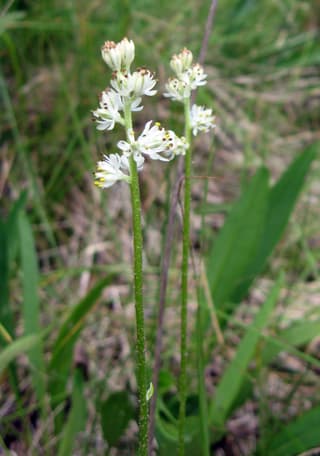
| Sticky false asphodel | Hard | Bright indirect | 1d | ✓ |
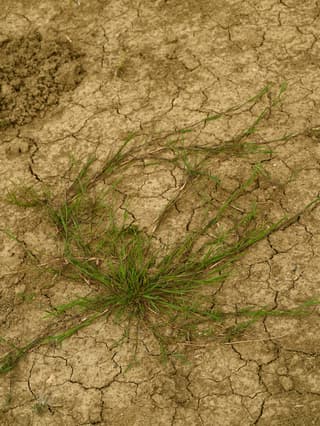
| Creeping bentgrass | Hard | Direct sun | 3d | ✓ |
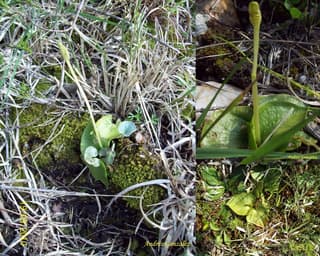
| Bulbous Adder's-tongue | Hard | Partial shade | 4d | ✓ |
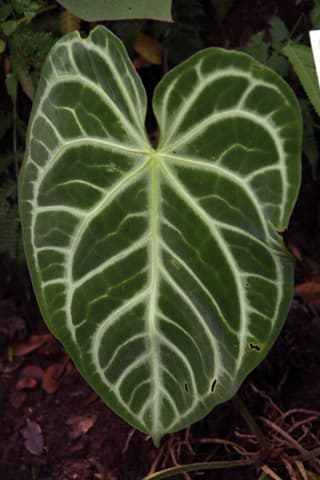
| Crystal Anthurium | Hard | Partial shade | 7d | ⚠️ |