Marantaceae
Ctenanthe Care Guide
Ctenanthe
Give your Ctenanthe bright, indirect light, consistently moist (never soggy) soil, and humidity above 50% to keep its patterned leaves from browning at the edges. It is a rewarding but attentive-care houseplant that repays steady conditions with lush, colorful growth.
Every 7 days
Partial shade
13° - 29°C
50% - 70%
Categories
What is Never Never Plant?
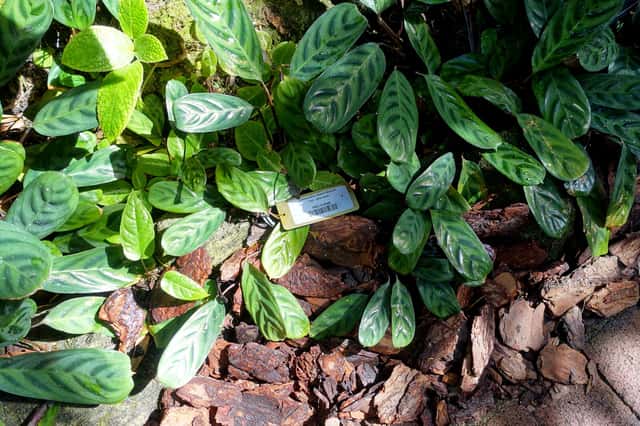
Never Never Plant (Ctenanthe) is a medium-care plant from the Marantaceae family. Ctenanthe is a genus of around 15 evergreen perennial species in the prayer-plant family (Marantaceae), grown for their richly patterned, two-toned foliage that folds upward at night in a rhythmic motion called nyctinasty. Native to the tropical rainforests of Central and South America, these bushy,...
Never Never Plant grows up to 90cm, spread of 90cm, watering every 7 days, 13°C – 29°C, 50–70% humidity. It is suitable for indoor environments and safe for pets.
Unlike many popular species, Never Never Plant is safe to keep around pets. Without adequate drainage, root rot can develop within 14 days.
How to Care for Never Never Plant?
TLDR: Never Never Plant needs Partial shade, watering every 7 days, and temperatures between 13-29°C with 50-70% humidity.
How Often Should You Water Never Never Plant?
Water when the top layer of soil feels slightly dry, keeping the mix evenly moist but never waterlogged. Ctenanthe recovers from underwatering far more easily than from root rot caused by soggy soil.
How Much Light Does Never Never Plant Need?
Place in bright, filtered light out of direct sun, which scorches the leaves. Too little light causes leggy growth and dull color.
What Is the Best Soil for Never Never Plant?
Use a rich, well-draining mix - about two parts organic potting soil to one part perlite - to hold moisture without staying soggy.
What Pot Should You Use for Never Never Plant?
A plastic or glazed ceramic pot with drainage holes helps retain moisture and humidity better than unglazed terracotta.
Care Schedule
Fertilize
Every 30 days
Misting
Every 7 days
Rotate
Every 14 days
Repot
Every 730 days
What Is Never Never Plant and Where Does It Come From?
Ctenanthe is a genus of around 15 evergreen perennial species in the prayer-plant family (Marantaceae), grown for their richly patterned, two-toned foliage that folds upward at night in a rhythmic motion called nyctinasty. Native to the tropical rainforests of Central and South America, these bushy, clumping plants stay compact but can spread wide, making them a striking foliage feature for shaded, humid corners of the home.
How to Propagate Never Never Plant?
Root division
Divide during repotting in spring when the plant is actively growing, and avoid letting divided roots dry out before repotting.
- 1 Remove the plant from its pot and gently loosen the root ball.
- 2 Identify natural clumps where multiple stems share a root section.
- 3 Use a clean, sharp knife or your hands to separate a clump with healthy roots and at least two to three leaves attached.
- 4 Pot each division immediately in fresh, well-draining potting mix.
- 5 Water lightly and keep in bright, indirect light with high humidity until new growth appears.
Materials needed:
How Big Does Never Never Plant Grow?
TLDR: Never Never Plant can reach up to 90cm tall with Medium growth rate.
Max height
90cm
Spread
90cm
Growth rate
Medium
Foliage
Evergreen
Plant Uses
Ornamental
Great for decoration
Air Purifying
Improves air quality
Is your plant showing symptoms?
Click on the symptom to discover possible causes:
What Diseases Commonly Affect Never Never Plant?
TLDR: Never Never Plant is susceptible to 4 known diseases. Monitor regularly for early detection.
Spider Mites
Spider mites are tiny arachnids (less than 1/20 inch long) related to spiders and ticks that feed on plant sap. They thrive in hot, dry conditions and can cause significant damage to ornamental and vegetable plants. During severe infestations, crop losses can reach 14% or higher as these pests disrupt vital plant processes including photosynthesis, carbon dioxide absorption, and transpiration.
Leaf Tip Necrosis
Leaf tip necrosis, also known as tip burn, is a non-infectious environmental condition where the tips and edges of leaves turn brown, dry, and crispy. This occurs due to various stress factors affecting the plant's ability to maintain healthy tissue at the leaf extremities.
Root Rot
Root rot is a serious fungal disease that affects the root system of plants, causing them to decay and die. It is primarily caused by overwatering, poor drainage, or soil-borne fungi such as Pythium, Phytophthora, Rhizoctonia, and Fusarium. The disease thrives in waterlogged conditions where roots are deprived of oxygen, making them susceptible to fungal infection.
Leaf Spot
Leaf spot is a common fungal disease caused by various pathogens including Alternaria, Ascochyta, Colletotrichum, Septoria, and Venturia. It primarily affects leaves, causing discolored spots that can lead to premature leaf drop if left untreated.
Meaning & Symbolism
The rhythmic nightly folding of its leaves has earned Ctenanthe an association with movement, rest, and quiet resilience.
Fun Facts
The genus name Ctenanthe comes from the Greek "kteis" (comb) and "anthos" (flower), referring to its comb-like flower bracts.
Its leaves fold upright at night and lie flat again during the day, a movement called nyctinasty shared with its Marantaceae cousins Maranta and Calathea.
There are around 15 recognized Ctenanthe species, native to the tropical forests of Brazil and Central America.
Frequently asked questions
Is Ctenanthe safe for cats and dogs?
Why are the leaf edges turning brown?
Why does Ctenanthe move its leaves at night?
How often should I repot my Ctenanthe?
Compare with similar plants
| Attribute | Difficulty | Light | Watering | Pet Safe |
|---|---|---|---|---|
| Dark Fieldcap | Medium | Low light | 2d | ⚠️ |
| Azalea | Medium | Partial shade | 3d | ⚠️ |
| Muriel's Bamboo | Medium | Partial shade | 3d | ✓ |
| Bougainvillea | Medium | Direct sun | 7d | ⚠️ |




