Asteraceae
Cure-for-all: The Caribbean Medicinal Shrub That Heals Everything
Pluchea carolinensis
Cure-for-all is a tough, low-maintenance shrub that thrives in full sun. Water every 7 days during dry spells — it is drought-tolerant once established. Prune regularly to encourage bushy, compact growth and stimulate aromatic leaf production. Fertilize every 60 days with organic fertilizer for best results.
Every 7 days
Bright indirect
15° - 38°C
50% - 80%
Categories
What is Cure-for-all?
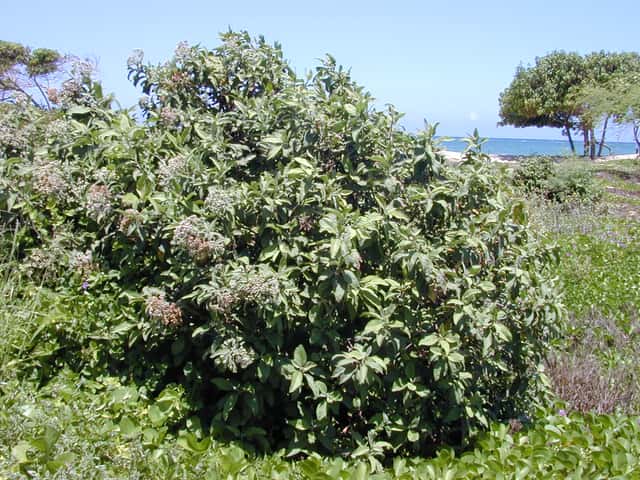
Cure-for-all (Pluchea carolinensis) is a easy-care plant from the Asteraceae family. Cure-for-all (Pluchea carolinensis) is an aromatic, fast-growing perennial shrub native to the Caribbean, Florida, and Central and South America. Its velvety, camphor-scented leaves and delicate pink-lavender flowers make it both ornamentally attractive and medicinally prized. Widely used in Caribbe...
Cure-for-all grows up to 2.5m, spread of 150cm, watering every 7 days, 15°C – 38°C, 50–80% humidity. It is not suitable for indoor environments and safe for pets.
Unlike many tropical plants, Cure-for-all tolerates watering mistakes. Best for beginners. Unlike many popular species, Cure-for-all is safe to keep around pets.
How to Care for Cure-for-all?
TLDR: Cure-for-all needs Bright indirect, watering every 7 days, and temperatures between 15-38°C with 50-80% humidity.
How Often Should You Water Cure-for-all?
Water deeply every 7 days. Cure-for-all is drought-tolerant once established, but regular watering promotes better growth and higher essential oil content. Allow the soil to dry slightly between waterings. Reduce frequency during rainy seasons.
How Much Light Does Cure-for-all Need?
Plant in full sun (at least 6 hours of direct sunlight per day). Cure-for-all is shade-intolerant — insufficient light results in weak, leggy growth and reduced medicinal potency.
What Is the Best Soil for Cure-for-all?
Use well-draining soil with a slightly acidic to neutral pH (5.5–7.5). The plant adapts to poor, sandy, or loamy soils. Avoid waterlogged conditions. Add coarse sand or perlite to improve drainage if needed.
What Pot Should You Use for Cure-for-all?
Unglazed ceramic or terracotta pot with drainage holes. For garden planting, plant directly in the ground for best results.
Care Schedule
Fertilize
Every 60 days
Repot
Every 365 days
What Is Cure-for-all and Where Does It Come From?
Cure-for-all (Pluchea carolinensis) is an aromatic, fast-growing perennial shrub native to the Caribbean, Florida, and Central and South America. Its velvety, camphor-scented leaves and delicate pink-lavender flowers make it both ornamentally attractive and medicinally prized. Widely used in Caribbean and Brazilian folk medicine for centuries, it is traditionally employed to treat colds, fever, bronchitis, sore throats, and rheumatic pain. It thrives in full sun and well-drained soils, reaching up to 2.5 m in height.
How to Propagate Cure-for-all?
Stem Cutting
Keep substrate lightly moist but not waterlogged. New growth in 2–3 weeks signals successful rooting.
- 1 Cut a semi-woody stem 15–20 cm long with at least 3 pairs of leaves
- 2 Remove leaves from the bottom 2 nodes
- 3 Dip the cut end in rooting hormone powder
- 4 Plant in moist substrate (1:1 sand and potting soil)
- 5 Keep in a shaded, humid spot for 3 weeks until rooted
Materials needed:
Seed Sowing
Seeds are tiny and lightweight. Mist gently with water to avoid displacing them. Do not cover with soil.
- 1 Scatter seeds on the surface of moist substrate
- 2 Press gently — do not cover, seeds need light to germinate
- 3 Keep in a warm spot (22–28°C) with good humidity
- 4 Transplant seedlings when 4–6 cm tall
Materials needed:
How Big Does Cure-for-all Grow?
TLDR: Cure-for-all can reach up to 2.5m tall with Fast growth rate.
Max height
2.5m
Spread
1.5m
Growth rate
Fast
Foliage
Evergreen
Plant Uses
Medicinal
Medicinal properties
Ornamental
Great for decoration
Aromatic
Pleasant fragrance
Medicinal Uses
- Leaf decoction for colds, fever, and bronchitis
- Leaf tea for sore throat and sinus problems
- Infusion for rheumatic pain and headache
- Warm leaf compress for muscle and chest pain
- External use: leaf baths for pain and inflammation
Is your plant showing symptoms?
Click on the symptom to discover possible causes:
What Diseases Commonly Affect Cure-for-all?
TLDR: Cure-for-all is susceptible to 6 known diseases. Monitor regularly for early detection.
Scale Insects
Scale insects are small sap-sucking pests that appear as brown, shell-like bumps on plant stems and leaves. There are over 25 species, divided into armored (hard) and unarmored (soft) scales. They feed by piercing plant tissue and extracting sap, which weakens the plant and can lead to yellowing, stunted growth, and even death if left untreated. They also excrete honeydew, which attracts ants and promotes sooty mold growth.
Aphids
Aphids are small, soft-bodied, pear-shaped insects (1/16 to 1/8 inch long) that feed by sucking nutrient-rich sap from plants. They reproduce rapidly and can quickly weaken plants, causing distorted growth and transmitting plant viruses. Aphids come in various colors including green, black, red, yellow, brown, and gray. They secrete honeydew, a sticky substance that attracts ants and encourages sooty mold growth.
Whiteflies
Whiteflies are small, soft-bodied, winged insects closely related to aphids and mealybugs. They are moth-like in appearance, about 1/16 inch long, triangular in shape, and gray-white in color. These sap-sucking pests feed on plant tissue, causing yellowing, stunted growth, and wilting. They also excrete honeydew, which attracts ants and promotes sooty mold growth. Whiteflies can transmit serious plant viruses.
Sooty Mold
Sooty mold is a fungal disease that develops on surfaces coated with honeydew, a sticky sweet substance secreted by sap-sucking insects like aphids, scale insects, and whiteflies. While it does not directly infect plant tissue, it reduces photosynthetic capacity by blocking sunlight and diminishes the plant's aesthetic appearance.
Meaning & Symbolism
In Caribbean and Latin American tradition, this plant symbolizes healing, resilience, and ancestral wisdom. Its name "cure-for-all" reflects centuries of trust placed in its medicinal powers by local communities.
Fun Facts
The plant is called "cure-for-all" in the English Caribbean due to the widespread belief in its ability to treat virtually any ailment.
Its essential oil has demonstrated antimicrobial activity against Aspergillus niger, Candida albicans, Staphylococcus aureus, and Bacillus cereus in laboratory studies.
Pluchea carolinensis can grow up to 1.5 m in a single year when resprouting from roots after pruning or frost damage.
The aromatic camphor-like scent of its leaves is produced by sesquiterpenes including squalene and β-amyrin acetate, which also have documented antiviral and hypolipidemic properties.
Frequently asked questions
What is Cure-for-all used for?
How do I make Cure-for-all tea?
Can Cure-for-all grow in a pot?
Is Cure-for-all toxic?
How often should I water Cure-for-all?
Compare with similar plants
| Attribute | Difficulty | Light | Watering | Pet Safe |
|---|---|---|---|---|
| Field Maple | Easy | Bright indirect | 14d | ✓ |
| Silver Birch | Easy | Direct sun | 14d | ✓ |
| Common Blanketflower | Easy | Direct sun | 10d | ✓ |
| Cushion Bush | Easy | Direct sun | 14d | ✓ |





