Asparagaceae
Cylindrical snake plant: Perfect Indoor Houseplant
Sansevieria bacularis
An easy-care plant that thrives in dry conditions and bright light. Water only when soil is completely dry, as overwatering is the primary concern. Provide bright indirect light, though it tolerates both low light and direct sun. Prefers well-draining soil and temperatures between 13°C and 29°C. No misting required; prefers low humidity.
Every 7 days
Partial shade
13° - 29°C
40% - 50%
Categories
What is Cylindrical snake plant?
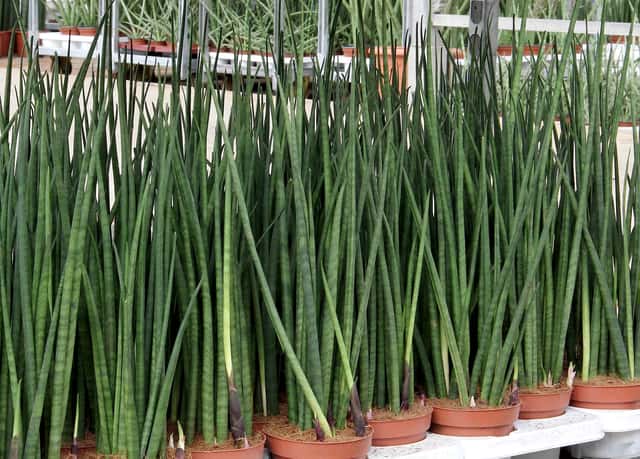
Cylindrical snake plant (Sansevieria bacularis) is a easy-care plant from the Asparagaceae family. Sansevieria bacularis is an evergreen succulent native to the Congo and Rwanda, belonging to the Asparagaceae family. It is characterized by slender, cylindrical, fleshy leaves that form dense clusters capable of reaching up to 100 cm in height. The leaves display dark green coloration with horizont...
Cylindrical snake plant grows up to 1.0m, watering every 7 days, 13°C – 29°C, 40–50% humidity. It is suitable for indoor environments and not safe for pets.
Unlike many tropical plants, Cylindrical snake plant tolerates watering mistakes. Best for beginners. Without precautions, ingestion can cause irritation in pets. Keep out of reach of cats and dogs. Without adequate drainage, root rot can develop within 14 days.
How to Care for Cylindrical snake plant?
TLDR: Cylindrical snake plant needs Partial shade, watering every 7 days, and temperatures between 13-29°C with 40-50% humidity.
How Often Should You Water Cylindrical snake plant?
Allow soil to dry completely between waterings. This succulent is drought-tolerant and actually prefers drier conditions. Water approximately once weekly during the growing season, but reduce or suspend watering entirely during winter dormancy. Never allow the plant to sit in water or remain in constantly moist soil, as this rapidly causes root rot.
How Much Light Does Cylindrical snake plant Need?
Place in a location with bright, indirect sunlight (such as near a window) for optimal growth and leaf coloration. The plant tolerates low light, though growth will be slower. It also handles direct sun well, especially gentler morning or late-afternoon rays. Avoid sudden, drastic changes in light conditions, as this can stress the plant.
What Is the Best Soil for Cylindrical snake plant?
Use a well-draining mix specifically formulated for succulents and cacti. Create a custom blend combining succulent potting soil, perlite, and sand in appropriate proportions to ensure rapid water drainage. The soil must allow quick drainage, as moisture retention is the species' primary vulnerability. Ensure the pot has drainage holes in the base.
What Pot Should You Use for Cylindrical snake plant?
Use a pot with drainage holes, preferably in ceramic or terracotta that allows faster drying. Choose a size only 1-2 cm larger than the rootball. Avoid oversized pots that retain excess moisture.
Care Schedule
Fertilize
Every 30 days
Repot
Every 1095 days
What Is Cylindrical snake plant and Where Does It Come From?
Sansevieria bacularis is an evergreen succulent native to the Congo and Rwanda, belonging to the Asparagaceae family. It is characterized by slender, cylindrical, fleshy leaves that form dense clusters capable of reaching up to 100 cm in height. The leaves display dark green coloration with horizontal light green stripes and a distinctive vertical groove running down each blade. The plant produces small white or cream flowers in tall inflorescences during spring and summer. It is an exceptionally tough and low-maintenance houseplant, making it ideal for both beginner and experienced plant enthusiasts seeking a reliable indoor specimen.
How to Propagate Cylindrical snake plant?
How Big Does Cylindrical snake plant Grow?
TLDR: Cylindrical snake plant can reach up to 1.0m tall with Slow growth rate.
Max height
1.0m
Growth rate
Slow
Foliage
Evergreen
Warning: Toxic Plant
This plant can be toxic if ingested. Keep out of reach of:
Plant Uses
Ornamental
Great for decoration
Is your plant showing symptoms?
Click on the symptom to discover possible causes:
What Diseases Commonly Affect Cylindrical snake plant?
TLDR: Cylindrical snake plant is susceptible to 6 known diseases. Monitor regularly for early detection.
Root Rot
Root rot is a serious fungal disease that affects the root system of plants, causing them to decay and die. It is primarily caused by overwatering, poor drainage, or soil-borne fungi such as Pythium, Phytophthora, Rhizoctonia, and Fusarium. The disease thrives in waterlogged conditions where roots are deprived of oxygen, making them susceptible to fungal infection.
Overwatering
Overwatering occurs when plants receive too much water, depriving roots of oxygen and causing root rot. This environmental stress is one of the most common causes of houseplant death, as waterlogged soil prevents roots from breathing and functioning properly.
Leaf Spot
Leaf spot is a common fungal disease caused by various pathogens including Alternaria, Ascochyta, Colletotrichum, Septoria, and Venturia. It primarily affects leaves, causing discolored spots that can lead to premature leaf drop if left untreated.
Mealybugs
Mealybugs are small, soft-bodied insects covered with a white, waxy, cottony material. They are common pests of houseplants and outdoor plants in mild climates. These sap-sucking insects feed on plant tissue, causing damage, stunted growth, and can lead to plant death if left untreated. They produce sticky honeydew which attracts sooty mold.
Compare with similar plants
| Attribute | Difficulty | Light | Watering | Pet Safe |
|---|---|---|---|---|
| Field Maple | Easy | Bright indirect | 14d | ✓ |
| Silver Birch | Easy | Direct sun | 14d | ✓ |
| Common Blanketflower | Easy | Direct sun | 10d | ✓ |
| Cushion Bush | Easy | Direct sun | 14d | ✓ |
Choose & Compare
Sources & References
- Sansevieria Bacularis Care Guide
- Sansevieria Bacularis: Simple Care Guide For The Tropical Sansevieria
- Sansevieria Bacularis 'Mikado' Plant Care & Growing Basics
- Sansevieria Bacularis: The Ultimate Mikado Snake Plant Care & Grow Guide
- Dracaena Bacularis Care: How to Grow This Vertical Plant
- Cuidados Sansevieria Bacularis, Fernwood o Mikado
- Saving Snake Plants From Pests: Insects, Bacteria, Fungus And More
- Common Sansevieria Diseases (And How To Treat Them)





