Asteraceae
Dendrophorbium
Dendrophorbium
Dendrophorbium is a wild Andean cloud-forest shrub genus, not a documented houseplant. If attempted in cultivation, it likely wants bright, filtered light, evenly moist but free-draining, humus-rich soil, cool nights and high ambient humidity that echo its native montane forest edge or scrub habitat. Treat every specific number in this profile as a provisional, habitat-based estimate rather than confirmed species data.
Every 7 days
Partial shade
8° - 20°C
70% - 90%
Categories
What is Dendrophorbium?
Dendrophorbium (Dendrophorbium) is a hard-care plant from the Asteraceae family. Dendrophorbium (Cuatrec.) C.Jeffrey is a genus of roughly 84 species of shrubby daisies in the tribe Senecioneae (Asteraceae), split off from the mega-genus Senecio in 1992. All species are Neotropical, concentrated in the northern Andes (Colombia, Ecuador and Peru, with a few outliers in Bolivia, A...
Dendrophorbium grows up to watering every 7 days, 8°C – 20°C, 70–90% humidity. It is not suitable for indoor environments and safe for pets.
Unlike easy-care plants, Dendrophorbium demands constant attention to humidity and light. Not recommended for beginners. Unlike many popular species, Dendrophorbium is safe to keep around pets.
How to Care for Dendrophorbium?
TLDR: Dendrophorbium needs Partial shade, watering every 7 days, and temperatures between 8-20°C with 70-90% humidity.
How Often Should You Water Dendrophorbium?
Keep the soil evenly moist but never waterlogged, mirroring the frequent mist and rainfall of its Andean cloud-forest home; let the top layer dry slightly between waterings to avoid root rot.
How Much Light Does Dendrophorbium Need?
Provide bright, indirect or filtered light similar to a forest edge or open montane scrub; avoid deep shade and avoid intense, unfiltered midday sun.
What Is the Best Soil for Dendrophorbium?
Use a well-draining, humus-rich mix that mimics the organic, sloped soils of the montane forest floor; add perlite or pumice to keep it from staying soggy.
What Pot Should You Use for Dendrophorbium?
Wide, shallow pot with excellent drainage to mimic a well-drained mountain slope
What Is Dendrophorbium and Where Does It Come From?
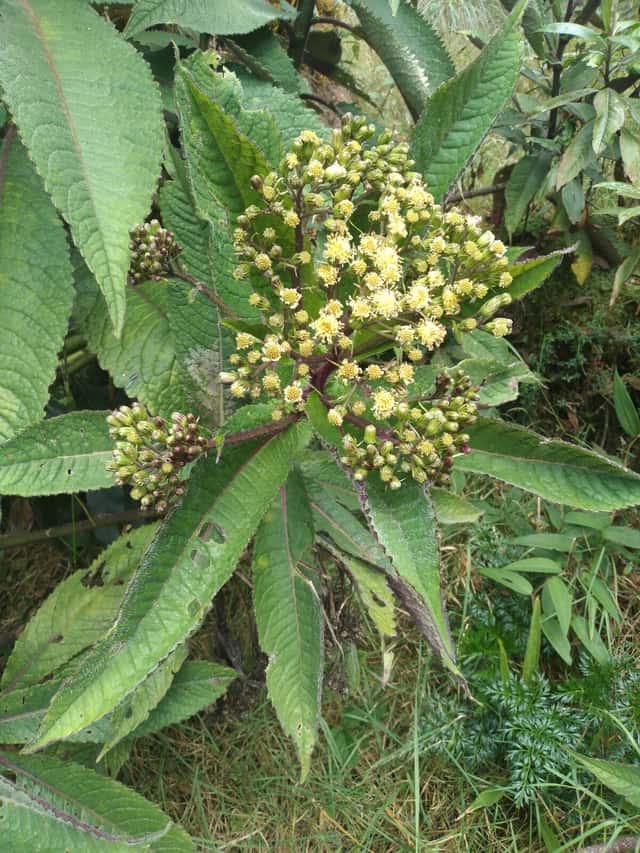
Dendrophorbium (Cuatrec.) C.Jeffrey is a genus of roughly 84 species of shrubby daisies in the tribe Senecioneae (Asteraceae), split off from the mega-genus Senecio in 1992. All species are Neotropical, concentrated in the northern Andes (Colombia, Ecuador and Peru, with a few outliers in Bolivia, Argentina and Brazil, plus one Caribbean species). Plants are erect, woody-based (suffrutescent) shrubs to small trees with fairly large, toothed leaves and terminal clusters of yellow, daisy-like flower heads, usually with ray florets. Nearly every species is a narrow-range endemic of subtropical/tropical montane cloud forest or high-elevation montane scrub, roughly between 2,000 and 3,800 m elevation, and many are considered threatened by habitat loss. Because the genus has essentially no history in cultivation and is known almost entirely from herbarium and taxonomic study, detailed horticultural data (exact light, water, soil and hardiness tolerances, mature size) has not been established for the genus as a whole; figures given here are cautious, habitat-based estimates rather than confirmed cultivation records.
How to Propagate Dendrophorbium?
Seed propagation
This follows general Asteraceae seed-propagation practice; no Dendrophorbium-specific propagation study was found, so treat timings as approximate.
- 1 Collect ripe achenes with their pappus (fluffy bristles) from spent flower heads
- 2 Sow the light seeds on the surface of a moist, well-draining, humus-rich mix without burying them
- 3 Keep the mix consistently moist and humid, in bright indirect light and cool temperatures
- 4 Watch for germination over several weeks and thin or pot up seedlings once true leaves appear
Materials needed:
How Big Does Dendrophorbium Grow?
TLDR: Dendrophorbium can reach up to ?cm tall with Medium growth rate.
Foliage
Evergreen
Is your plant showing symptoms?
Click on the symptom to discover possible causes:
Meaning & Symbolism
No traditional or cultural symbolism has been documented for this genus; it is known almost exclusively from botanical and taxonomic literature rather than folklore or garden tradition.
Fun Facts
With around 84 recognized species, Dendrophorbium is one of the larger segregate genera carved out of the mega-genus Senecio in 1992.
Most Dendrophorbium species are narrow-range endemics found only in the cloud forests and high-elevation scrub of the northern Andes, some known from a single mountain range.
Its daisy-like flower heads place it in the sunflower family (Asteraceae), in the same tribe (Senecioneae) as ragworts and groundsels.
Because it grows almost exclusively in remote high-Andean habitat, Dendrophorbium is virtually unknown in cultivation and has been studied almost entirely from herbarium specimens.
Frequently asked questions
Is Dendrophorbium a common houseplant?
Where does Dendrophorbium grow naturally?
Is Dendrophorbium related to Senecio?
Is Dendrophorbium toxic?
How many species does Dendrophorbium include?
Compare with similar plants
| Attribute | Difficulty | Light | Watering | Pet Safe |
|---|---|---|---|---|
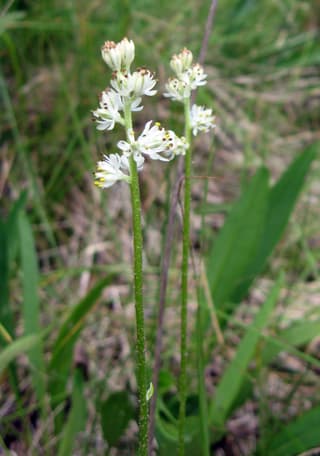
| Sticky false asphodel | Hard | Bright indirect | 1d | ✓ |
| Common Blanketflower | Easy | Direct sun | 10d | ✓ |
| Cushion Bush | Easy | Direct sun | 14d | ✓ |
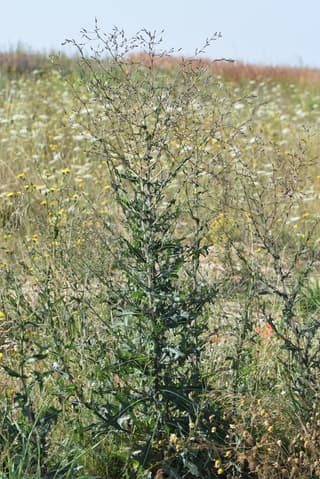
| Wild Lettuce | Medium | Direct sun | 7d | ⚠️ |
Choose & Compare
Sources & References
- Dendrophorbium - Wikipedia
- Checklist of the genus Dendrophorbium (Senecioneae: Compositae) in Peru, Montesinos-Tubee 2024, Nordic Journal of Botany
- Dendrophorbium peregrinum - Plants of the World Online, Kew
- Habit and capitulescence details of typical Dendrophorbium/Senecioninae members
- Pyrrolizidine Alkaloidosis in Animals - MSD Veterinary Manual (tribe-level Senecioneae toxicity context)