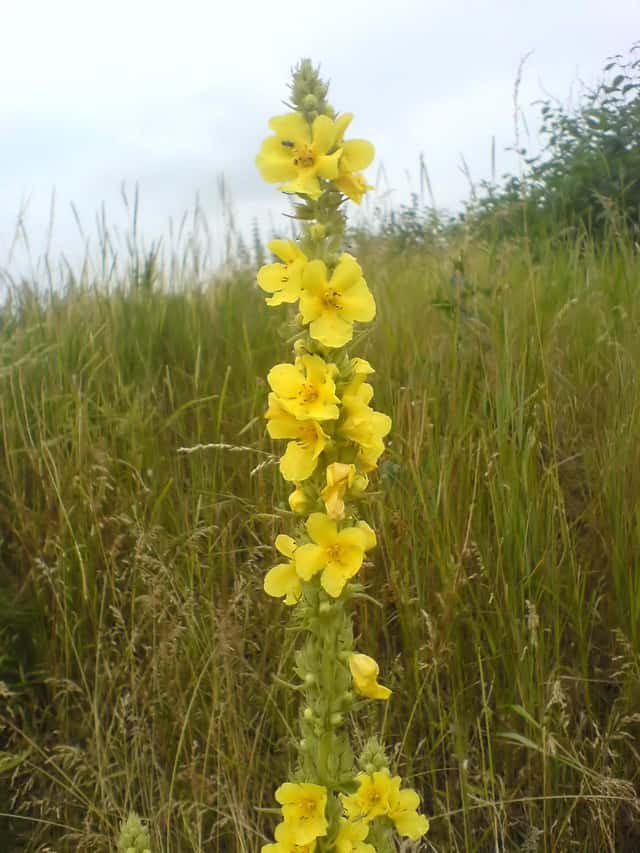
Scrophulariaceae
Verbascum densiflorum: Denseflower Mullein Care Guide
Verbascum densiflorum
Give denseflower mullein a spot in full sun with poor to average, well-drained (ideally alkaline) soil. Once established it is very drought-tolerant and needs only occasional watering during long dry spells. It requires little to no feeding, and deadheading the flower spike after blooming helps control self-seeding and can encourage a tidier second flush.
Every 14 days
Direct sun
-20° - 35°C
% - %
Categories
What is Denseflower Mullein?
Denseflower Mullein (Verbascum densiflorum) is a easy-care plant from the Scrophulariaceae family. Verbascum densiflorum, commonly called denseflower mullein, is a robust biennial native to Europe and western Asia. In its first year it forms a low rosette of large, felted grey-green leaves, then sends up a tall, unbranched flower spike densely packed with bright yellow blooms in its second summer...
Denseflower Mullein grows up to 2.5m, spread of 100cm, watering every 14 days, -20°C – 35°C. It is not suitable for indoor environments and safe for pets.
Unlike many tropical plants, Denseflower Mullein tolerates watering mistakes. Best for beginners. Unlike many popular species, Denseflower Mullein is safe to keep around pets.
How to Care for Denseflower Mullein?
TLDR: Denseflower Mullein needs Direct sun, watering every 14 days, and temperatures between -20-35°C with 40-70% humidity.
How Often Should You Water Denseflower Mullein?
Water deeply but infrequently, letting the soil dry out completely between waterings; established plants tolerate drought well and are more likely to suffer from overwatering than underwatering.
How Much Light Does Denseflower Mullein Need?
Grow in full sun, ideally at least 6 hours of direct light daily; the flower spikes lean toward the light and bloom more densely in a bright, open, south-facing spot.
What Is the Best Soil for Denseflower Mullein?
Plant in poor to moderately fertile, sharply-draining soil; alkaline or chalky soils are ideal. Avoid heavy, waterlogged clay, which encourages root rot.
What Pot Should You Use for Denseflower Mullein?
If grown in a container, choose a wide, unglazed terracotta pot with generous drainage holes to keep roots dry; denseflower mullein is best suited to the open ground given its height and deep taproot.
What Is Denseflower Mullein and Where Does It Come From?
Verbascum densiflorum, commonly called denseflower mullein, is a robust biennial native to Europe and western Asia. In its first year it forms a low rosette of large, felted grey-green leaves, then sends up a tall, unbranched flower spike densely packed with bright yellow blooms in its second summer. Prized in cottage gardens and wildflower borders, it is remarkably drought-tolerant and thrives in poor, well-drained soils where little else survives. The plant has a long history of use in European herbal medicine, particularly its flowers, which are dried for soothing teas.
How to Propagate Denseflower Mullein?
Seed Sowing
Verbascum self-seeds readily in the garden, so deadhead spent flower spikes if you want to prevent volunteer seedlings. Seeds need light to germinate, so do not bury them.
- 1 Collect ripe seeds from dried seed capsules in late summer or autumn.
- 2 Sow seeds thinly on the surface of well-drained, gritty compost, as they need light to germinate.
- 3 Keep the compost moist and place in a bright spot at around 18-21°C.
- 4 Transplant seedlings into individual pots once they have 2-3 true leaves.
- 5 Plant out into their final position in autumn or the following spring.
Materials needed:
Root Cuttings
Root cuttings are a reliable way to propagate named forms true to type, since seed-grown plants can vary. Avoid overwatering, as the cuttings are prone to rot.
- 1 Lift an established plant while dormant and select thick, healthy roots about the diameter of a pencil.
- 2 Cut sections 5-8 cm long, keeping track of which end was closest to the crown.
- 3 Insert the cuttings vertically into pots of gritty, free-draining compost with the top end level with the surface.
- 4 Keep in a cold frame or sheltered spot and water sparingly until new shoots appear.
- 5 Pot on or plant out once a strong rosette of leaves has formed.
Materials needed:
How Big Does Denseflower Mullein Grow?
TLDR: Denseflower Mullein can reach up to 2.5m tall with Medium growth rate.
Max height
2.5m
Spread
1.0m
Growth rate
Medium
Foliage
Semi-evergreen
Plant Uses
Medicinal
Medicinal properties
Ornamental
Great for decoration
Medicinal Uses
- Dried flowers used in herbal teas to soothe coughs and sore throats
- Leaves traditionally used in poultices for skin irritation and minor wounds
- Used in traditional European herbalism as a mild expectorant and demulcent
Is your plant showing symptoms?
Click on the symptom to discover possible causes:
What Diseases Commonly Affect Denseflower Mullein?
TLDR: Denseflower Mullein is susceptible to 2 known diseases. Monitor regularly for early detection.
Powdery Mildew
Powdery mildew is a common fungal disease caused by various fungi species including Erysiphe, Podosphaera, Oïdium, and Leveillula. It affects over 10,000 plant species worldwide. The disease thrives in warm, dry climates with high humidity and appears as a distinctive white powdery coating on plant surfaces.
Caterpillars
Caterpillars are the larval stage of moths and butterflies that feed voraciously on plant foliage, stems, flowers, and fruits. Common species include cabbage loopers, tomato hornworms, armyworms, and cutworms. These pests can cause extensive damage by consuming large amounts of plant tissue in a short time. They vary in size from small (1/4 inch) to large (5 inches), with colors ranging from green to brown, often featuring stripes or spots. Caterpillars are highly mobile and can quickly spread throughout gardens, making them one of the most destructive common pests.
Meaning & Symbolism
Historically linked to protection and courage; its tall dried flower stalks were once dipped in tallow and burned as torches, earning mullein folk names like 'hag taper' and 'candlewick plant'.
Fun Facts
Its dense covering of woolly grey hairs helped give rise to old folk names like 'flannel plant' and 'hag taper'.
A single flower spike can reach over 2 metres tall in its second year.
Dried mullein flowers have been used in European herbal teas for centuries to soothe coughs and sore throats.
Frequently asked questions
Is Verbascum densiflorum toxic to pets or humans?
How much sun does denseflower mullein need?
Why is my mullein only growing leaves in the first year?
What pests commonly attack Verbascum densiflorum?
Compare with similar plants
| Attribute | Difficulty | Light | Watering | Pet Safe |
|---|---|---|---|---|
| Field Maple | Easy | Bright indirect | 14d | ✓ |
| Silver Birch | Easy | Direct sun | 14d | ✓ |
| Common Blanketflower | Easy | Direct sun | 10d | ✓ |
| Cushion Bush | Easy | Direct sun | 14d | ✓ |





