Euphorbiaceae
Dog's Mercury / Annual Mercury: Medicinal Uses & Care Tips
Mercurialis
Mercurialis species are hardy outdoor plants unsuitable for indoor cultivation. They prefer moist, well-drained soil in full to partial shade. M. perennis is extremely invasive and should be managed carefully in gardens. Neither species should be consumed under any circumstances.
Every 7 days
Partial shade
-10° - 30°C
% - %
Categories
What is Dog's Mercury / Annual Mercury?
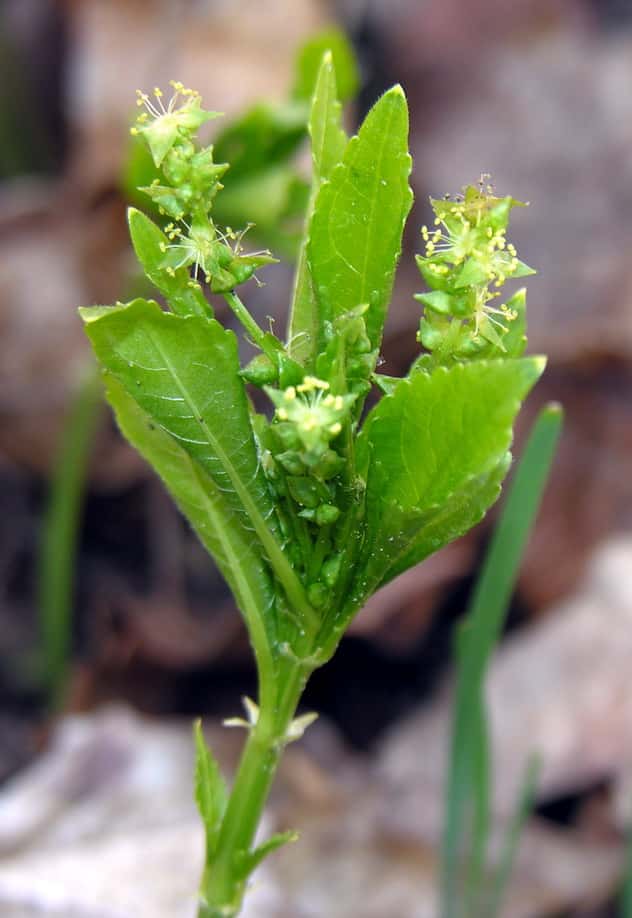
Dog's Mercury / Annual Mercury (Mercurialis) is a medium-care plant from the Euphorbiaceae family. Herbaceous plants of the Euphorbiaceae family, native to Europe, Asia, and North Africa. The genus includes both annual (M. annua) and perennial (M. perennis) species that thrive in shaded woodland habitats. All parts are highly poisonous to humans and livestock. M. perennis spreads vigorously via u...
Dog's Mercury / Annual Mercury grows up to 50cm, spread of 100cm, watering every 7 days, -10°C – 30°C. It is not suitable for indoor environments and not safe for pets.
Without precautions, ingestion can cause irritation in pets. Keep out of reach of cats and dogs.
How to Care for Dog's Mercury / Annual Mercury?
TLDR: Dog's Mercury / Annual Mercury needs Partial shade, watering every 7 days, and temperatures between -10-30°C with 40-70% humidity.
How Often Should You Water Dog's Mercury / Annual Mercury?
Maintain consistently moist soil without waterlogging. Do not allow soil to dry out completely. Reduce watering in winter.
How Much Light Does Dog's Mercury / Annual Mercury Need?
M. perennis prefers full to partial shade (light woodland conditions). M. annua requires full sun but tolerates dappled shade. Avoid intense direct afternoon sun for M. perennis.
What Is the Best Soil for Dog's Mercury / Annual Mercury?
Adapt to multiple soil types: sandy, loamy, and clay soils. Prefer moist, well-draining conditions with pH range 4.3-8.5. Most abundant on neutral to slightly alkaline clay or loam soils with low organic content.
What Is Dog's Mercury / Annual Mercury and Where Does It Come From?
Herbaceous plants of the Euphorbiaceae family, native to Europe, Asia, and North Africa. The genus includes both annual (M. annua) and perennial (M. perennis) species that thrive in shaded woodland habitats. All parts are highly poisonous to humans and livestock. M. perennis spreads vigorously via underground rhizomes, often carpeting woodland floors in dense mats. Both species exhibit dioecious reproduction with separate male and female plants producing small green, apetalous flowers.
How to Propagate Dog's Mercury / Annual Mercury?
Seed Sowing
M. perennis seeds require cold stratification. M. annua prefers well-drained, moist soil with organic matter. Sow M. annua after last frost.
- 1 Sow seeds in spring or autumn in situ (directly in garden)
- 2 Keep soil consistently moist until germination
- 3 Germination occurs in 7-14 days
Materials needed:
Rhizome Division
M. perennis rhizomes can be divided at any time of year. This is the fastest method to establish large colonies.
- 1 Dig plant during dormancy or early spring
- 2 Carefully separate rhizomes with shoot buds
- 3 Plant divided rhizomes in moist, well-draining soil
- 4 Maintain consistent moisture for 3-4 weeks
Materials needed:
How Big Does Dog's Mercury / Annual Mercury Grow?
TLDR: Dog's Mercury / Annual Mercury can reach up to 50cm tall with Medium growth rate.
Max height
50cm
Spread
1.0m
Growth rate
Medium
Foliage
Deciduous
Warning: Toxic Plant
This plant can be toxic if ingested. Keep out of reach of:
Plant Uses
Medicinal
Medicinal properties
Medicinal Uses
- Traditional Spanish use for circulatory disorders: blood pressure regulation (narcissin), blood sugar management (rutin)
- Anti-inflammatory applications for rheumatism and wounds (scopoletin content)
- Topical use for skin hyperpigmentation (mequinol compound)
- Historical treatment for dropsy and eye complaints
- CAUTION: Fresh parts are toxic; only processed forms under professional supervision
Is your plant showing symptoms?
Click on the symptom to discover possible causes:
What Diseases Commonly Affect Dog's Mercury / Annual Mercury?
TLDR: Dog's Mercury / Annual Mercury is susceptible to 1 known diseases. Monitor regularly for early detection.
Meaning & Symbolism
Ancient woodland indicator species, supporting rich invertebrate biodiversity despite toxicity to vertebrates. Historically used in folk and traditional Spanish medicine.
Compare with similar plants
| Attribute | Difficulty | Light | Watering | Pet Safe |
|---|---|---|---|---|
| Dark Fieldcap | Medium | Low light | 2d | ⚠️ |
| Azalea | Medium | Partial shade | 3d | ⚠️ |
| Muriel's Bamboo | Medium | Partial shade | 3d | ✓ |
| Bougainvillea | Medium | Direct sun | 7d | ⚠️ |
Choose & Compare
Sources & References
- Mercury (plant) - Britannica Encyclopedia
- Mercurialis annua - Wikipedia
- Mercurialis perennis - Wikipedia
- Dog's Mercury (Mercurialis perennis) - Royal Horticultural Society
- Dog's Mercury - Woodland Trust
- Bioactive Phytochemicals from Mercurialis spp. in Traditional Spanish Medicine - NCBI
- Mercurialis annua - Plants for a Future Database
- Mercurialis perennis - Plants for a Future Database




