Betulaceae
Downy Birch (Betula pubescens) Care Guide
Betula pubescens
Downy birch is an easy-going, low-maintenance tree once established. Give it full sun to partial shade, keep the soil consistently moist (especially while young), and plant it in acidic, well-draining, humus-rich soil. It needs no regular fertilizing and tolerates cold, wind, and poor soils remarkably well, but dislikes drought and prolonged heat.
Every 4 days
Bright indirect
-40° - 32°C
% - %
Categories
What is Downy Birch?
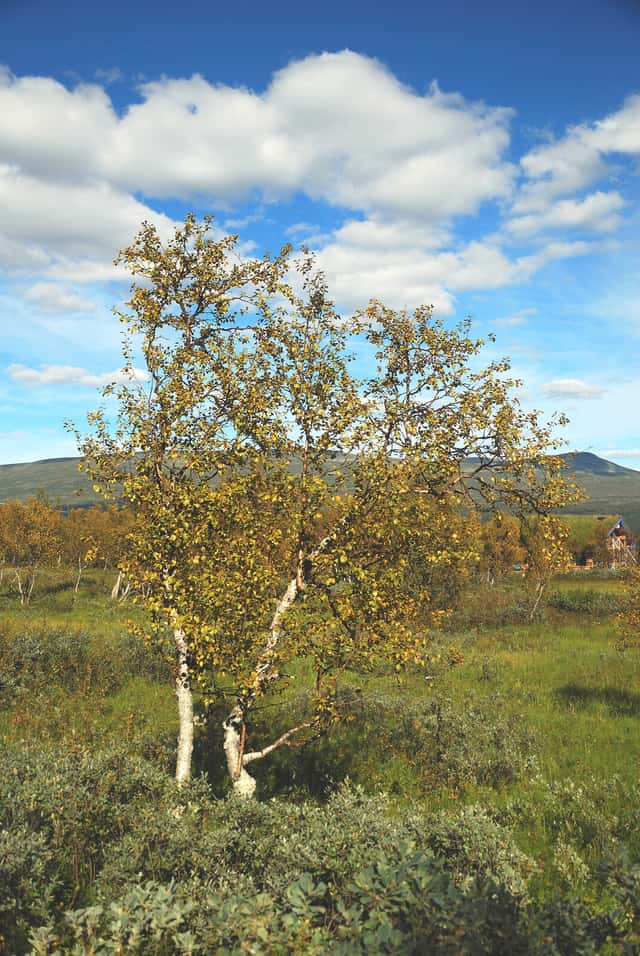
Downy Birch (Betula pubescens) is a easy-care plant from the Betulaceae family. Betula pubescens, known as downy birch or moor birch, is a fast-growing deciduous tree native to northern Europe and Asia. It features smooth, dull grey-white bark marked with dark lenticels, and small serrated, diamond-shaped leaves that turn golden yellow in autumn. As one of the most cold-hardy b...
Downy Birch grows up to 20.0m, spread of 800cm, watering every 4 days, -40°C – 32°C. It is not suitable for indoor environments and safe for pets.
Unlike many tropical plants, Downy Birch tolerates watering mistakes. Best for beginners. Unlike many popular species, Downy Birch is safe to keep around pets.
How to Care for Downy Birch?
TLDR: Downy Birch needs Bright indirect, watering every 4 days, and temperatures between -40-32°C with 40-70% humidity.
How Often Should You Water Downy Birch?
Water young trees 2-4 times a week in summer and 1-2 times a week in winter, keeping the soil moist but never waterlogged. Established trees rely mostly on rainfall but benefit from deep watering during dry spells.
How Much Light Does Downy Birch Need?
Give downy birch full sun to partial shade — at least 6 hours of direct light daily for best growth. It will tolerate light shade but becomes leggy in deep shade.
What Is the Best Soil for Downy Birch?
Plant in acidic to neutral, humus-rich, well-draining soil. A mix of garden soil, peat or worm humus, perlite, and compost mimics its native boggy woodland conditions.
What Pot Should You Use for Downy Birch?
Not typically grown in pots long-term; young saplings can start in a large, deep nursery pot with excellent drainage before being planted in open ground.
What Is Downy Birch and Where Does It Come From?
Betula pubescens, known as downy birch or moor birch, is a fast-growing deciduous tree native to northern Europe and Asia. It features smooth, dull grey-white bark marked with dark lenticels, and small serrated, diamond-shaped leaves that turn golden yellow in autumn. As one of the most cold-hardy broadleaf trees in the world, it thrives in cool, moist climates and is often the first tree species to colonize open ground after disturbance.
How to Propagate Downy Birch?
Seed propagation
Downy birch seeds need light and cold stratification to germinate well; sow thinly since germination rates are often low.
- 1 Collect ripe catkins in late summer and extract the tiny winged seeds
- 2 Cold-stratify the seeds by storing them in moist sand in the refrigerator for 6-8 weeks
- 3 Sow seeds on the surface of moist, acidic seed compost, as they need light to germinate
- 4 Keep the compost moist and place in a cool, bright spot until seedlings emerge in spring
Materials needed:
Semi-hardwood cuttings
Birch cuttings root poorly compared to seed propagation; success rates remain low even with rooting hormone.
- 1 Take semi-hardwood cuttings about 10-15cm long from the current year growth in mid-summer
- 2 Remove lower leaves and dip the cut end in rooting hormone
- 3 Insert into a free-draining mix of perlite and peat
- 4 Keep humid under a propagator lid and mist regularly until roots form
Materials needed:
Air layering
Layering gives more reliable results than cuttings for birch.
- 1 Choose a flexible low branch and wound the bark lightly where it will root
- 2 Apply rooting hormone to the wound
- 3 Wrap moist sphagnum moss around the wounded section and cover with plastic film
- 4 Once roots develop, sever the branch and pot up the new plant
Materials needed:
How Big Does Downy Birch Grow?
TLDR: Downy Birch can reach up to 20.0m tall with Fast growth rate.
Max height
20.0m
Spread
8.0m
Growth rate
Fast
Foliage
Deciduous
Plant Uses
Ornamental
Great for decoration
Edible
Can be consumed
Medicinal
Medicinal properties
Air Purifying
Improves air quality
Medicinal Uses
- Leaf tea used traditionally as a diuretic and anti-inflammatory remedy
- Birch sap consumed as a spring tonic
Culinary Uses
- Birch sap tapped and drunk fresh or fermented into wine
- Sap boiled down into syrup
Is your plant showing symptoms?
Click on the symptom to discover possible causes:
What Diseases Commonly Affect Downy Birch?
TLDR: Downy Birch is susceptible to 6 known diseases. Monitor regularly for early detection.
Root Rot
Root rot is a serious fungal disease that affects the root system of plants, causing them to decay and die. It is primarily caused by overwatering, poor drainage, or soil-borne fungi such as Pythium, Phytophthora, Rhizoctonia, and Fusarium. The disease thrives in waterlogged conditions where roots are deprived of oxygen, making them susceptible to fungal infection.
Powdery Mildew
Powdery mildew is a common fungal disease caused by various fungi species including Erysiphe, Podosphaera, Oïdium, and Leveillula. It affects over 10,000 plant species worldwide. The disease thrives in warm, dry climates with high humidity and appears as a distinctive white powdery coating on plant surfaces.
Leafminers
Leafminers are the larvae of various insects including flies, moths, sawflies, and beetles that tunnel between leaf surfaces, creating distinctive serpentine trails or blotchy patches. While primarily cosmetic, severe infestations can weaken plants by reducing photosynthesis capacity and making them susceptible to secondary infections.
Caterpillars
Caterpillars are the larval stage of moths and butterflies that feed voraciously on plant foliage, stems, flowers, and fruits. Common species include cabbage loopers, tomato hornworms, armyworms, and cutworms. These pests can cause extensive damage by consuming large amounts of plant tissue in a short time. They vary in size from small (1/4 inch) to large (5 inches), with colors ranging from green to brown, often featuring stripes or spots. Caterpillars are highly mobile and can quickly spread throughout gardens, making them one of the most destructive common pests.
Meaning & Symbolism
In Northern European folklore, the birch symbolizes purification, protection, and renewal — often the first tree to reclaim disturbed land, representing new beginnings.
Fun Facts
Downy birch grows further north than almost any other broadleaf tree, reaching deep into the Arctic Circle.
Its sap can be tapped in early spring and drunk fresh or fermented into birch wine.
The peeling bark was traditionally used as fire-starting kindling because of its natural oils.
As a pioneer species, downy birch is often the first tree to colonize cleared or burned land.
Frequently asked questions
How fast does downy birch grow?
Is downy birch toxic to pets?
What soil does downy birch need?
What diseases affect downy birch?
Compare with similar plants
| Attribute | Difficulty | Light | Watering | Pet Safe |
|---|---|---|---|---|
| Field Maple | Easy | Bright indirect | 14d | ✓ |
| Silver Birch | Easy | Direct sun | 14d | ✓ |
| Common Blanketflower | Easy | Direct sun | 10d | ✓ |
| Cushion Bush | Easy | Direct sun | 14d | ✓ |
Choose & Compare
Sources & References
- Betula pubescens - Wikipedia
- Comprehensive guide and expert care of Betula pubescens (downy birch)
- Betula pubescens | downy birch - RHS
- Downy Birch Plant Care & Growing Basics - PlantIn
- Betula (Birch) - Pests and Diseases to Watch Out For
- Disease and Insect Resistant Ornamental Plants: Betula (Birch)





