Poaceae
East Indian Lemongrass (Cymbopogon flexuosus) Growing Guide
Cymbopogon flexuosus
A tough, fast-growing grass that wants full sun, heat and fertile, well-drained soil. Water often in hot months without letting the soil get waterlogged, feed with compost or nitrogen during the growing season and cut the leaves back to 10-15 cm every 2-3 months to renew the clump. It does not tolerate frost: leaves scorch below about 5 °C. It may cause mild vomiting in dogs and cats if eaten in quantity.
Every 4 days
Direct sun
5° - 40°C
50% - 80%
Categories
What is East Indian Lemongrass?
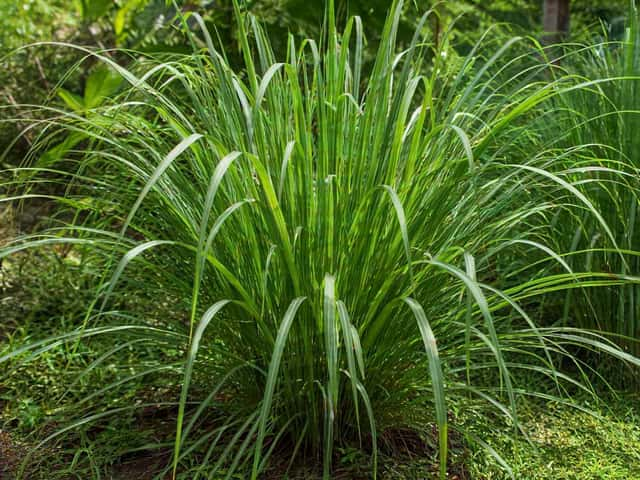
East Indian Lemongrass (Cymbopogon flexuosus) is a easy-care plant from the Poaceae family. Cymbopogon flexuosus is an aromatic perennial grass in the family Poaceae, native to India, Sri Lanka, Myanmar and Thailand. It forms dense clumps of long, narrow, bluish-green leaves that give off a strong lemon scent when crushed, thanks to an oil rich in citral. It is the lemongrass grown on a la...
East Indian Lemongrass grows up to 1.8m, spread of 100cm, watering every 4 days, 5°C – 40°C, 50–80% humidity. It is not suitable for indoor environments and not safe for pets.
Unlike many tropical plants, East Indian Lemongrass tolerates watering mistakes. Best for beginners. Without precautions, ingestion can cause irritation in pets. Keep out of reach of cats and dogs.
How to Care for East Indian Lemongrass?
TLDR: East Indian Lemongrass needs Direct sun, watering every 4 days, and temperatures between 5-40°C with 50-80% humidity.
How Often Should You Water East Indian Lemongrass?
Water every 3-5 days in summer, keeping the soil lightly moist, and water less in winter. Avoid standing water at the base of the clump, which leads to root rot.
How Much Light Does East Indian Lemongrass Need?
Needs full sun, at least 6 hours a day. In shade it forms fewer shoots, looks thin and produces less oil.
What Is the Best Soil for East Indian Lemongrass?
Prefers fertile sandy loam rich in organic matter, with a pH around 6. Avoid ground that stays waterlogged.
What Pot Should You Use for East Indian Lemongrass?
A large, deep pot (40 cm or more), plastic or clay, with good drainage holes.
Care Schedule
Fertilize
Every 30 days
Repot
Every 365 days
What Is East Indian Lemongrass and Where Does It Come From?
Cymbopogon flexuosus is an aromatic perennial grass in the family Poaceae, native to India, Sri Lanka, Myanmar and Thailand. It forms dense clumps of long, narrow, bluish-green leaves that give off a strong lemon scent when crushed, thanks to an oil rich in citral. It is the lemongrass grown on a large scale in India for essential oil used in perfumes, soaps and insect repellents, and its leaves are also used for tea and cooking. It is a close relative of West Indian lemongrass (Cymbopogon citratus), and the two are often confused.
How to Propagate East Indian Lemongrass?
Clump division (slips)
This is the most common method because slips establish quickly and keep the same oil quality as the parent plant.
- 1 Lift a healthy clump and pull it apart into slips, each with some root attached.
- 2 Cut the leaves back to about 15-20 cm and trim long roots.
- 3 Plant slips 45-60 cm apart in soil prepared with compost.
- 4 Water right after planting and keep the soil moist until they establish.
Materials needed:
Seed
Seeds lose viability quickly; use fresh seed and keep the mix above 20 °C.
- 1 Sow in a tray of light seed mix, covering lightly.
- 2 Keep moist and warm until germination.
- 3 Transplant seedlings to their final spot when they are 10-15 cm tall.
Materials needed:
How Big Does East Indian Lemongrass Grow?
TLDR: East Indian Lemongrass can reach up to 1.8m tall with Fast growth rate.
Max height
1.8m
Spread
1.0m
Growth rate
Fast
Foliage
Evergreen
Warning: Toxic Plant
This plant can be toxic if ingested. Keep out of reach of:
Plant Uses
Aromatic
Pleasant fragrance
Edible
Can be consumed
Medicinal
Medicinal properties
Medicinal Uses
- Leaf tea traditionally used for poor digestion and as a mild calming drink
- Essential oil with antifungal and antibacterial activity studied in the lab
Culinary Uses
- Fresh or dried leaves in teas and infusions
- Chopped stem base to flavor soups, broths and curries
Is your plant showing symptoms?
Click on the symptom to discover possible causes:
What Diseases Commonly Affect East Indian Lemongrass?
TLDR: East Indian Lemongrass is susceptible to 7 known diseases. Monitor regularly for early detection.
Rust
Rust is a common fungal disease caused by fungi in the order Pucciniales that affects a wide variety of plants. The disease gets its name from the characteristic orange, yellow, or reddish-brown pustules that appear on leaves, resembling metal rust. This obligate fungal parasite requires living plants to survive and can cause significant economic losses in agricultural crops.
Leaf Spot
Leaf spot is a common fungal disease caused by various pathogens including Alternaria, Ascochyta, Colletotrichum, Septoria, and Venturia. It primarily affects leaves, causing discolored spots that can lead to premature leaf drop if left untreated.
Root Rot
Root rot is a serious fungal disease that affects the root system of plants, causing them to decay and die. It is primarily caused by overwatering, poor drainage, or soil-borne fungi such as Pythium, Phytophthora, Rhizoctonia, and Fusarium. The disease thrives in waterlogged conditions where roots are deprived of oxygen, making them susceptible to fungal infection.
Spider Mites
Spider mites are tiny arachnids (less than 1/20 inch long) related to spiders and ticks that feed on plant sap. They thrive in hot, dry conditions and can cause significant damage to ornamental and vegetable plants. During severe infestations, crop losses can reach 14% or higher as these pests disrupt vital plant processes including photosynthesis, carbon dioxide absorption, and transpiration.
Fun Facts
Its essential oil can contain over 70% citral, the compound behind the lemon scent.
India is one of the world's largest producers of lemongrass oil, much of it from this species.
Its other English names, Cochin grass and Malabar grass, come from regions of southern India.
Frequently asked questions
What is the difference between Cymbopogon flexuosus and Cymbopogon citratus?
Can East Indian lemongrass grow in a pot?
Is East Indian lemongrass toxic to dogs and cats?
When can I harvest the leaves?
Compare with similar plants
| Attribute | Difficulty | Light | Watering | Pet Safe |
|---|---|---|---|---|
| Field Maple | Easy | Bright indirect | 14d | ✓ |
| Muriel's Bamboo | Medium | Partial shade | 3d | ✓ |
| Iberian Houseleek | Easy | Direct sun | 14d | ✓ |
| Silver Birch | Easy | Direct sun | 14d | ✓ |





