Amaranthaceae
Epazote (Dysphania ambrosioides): Complete Growing Guide
Dysphania ambrosioides
A robust and easy-to-grow plant, well-adapted to heat. Prefers full sun and well-draining soil. Tolerates moderate drought once established. Water every 7 days or when the soil dries out. Can be grown in pots or garden beds. Light pruning encourages abundant foliage.
Every 7 days
Direct sun
10° - 35°C
30% - 60%
Categories
What is Epazote?
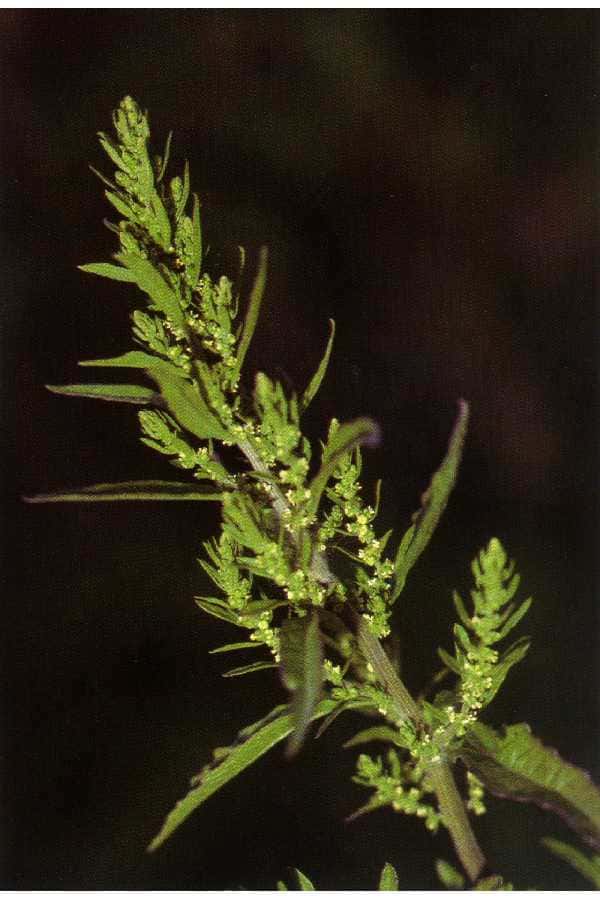
Epazote (Dysphania ambrosioides) is a easy-care plant from the Amaranthaceae family. Epazote (Dysphania ambrosioides) is an aromatic annual or short-lived perennial herb native to Mexico and Central America, cultivated for millennia for its culinary and medicinal properties. Its yellow-green toothed leaves contain glands that release a strong, musky, distinctive scent. It is a stapl...
Epazote grows up to 1.2m, spread of 46cm, watering every 7 days, 10°C – 35°C, 30–60% humidity. It is suitable for indoor environments and not safe for pets.
Unlike many tropical plants, Epazote tolerates watering mistakes. Best for beginners. Without precautions, ingestion can cause irritation in pets. Keep out of reach of cats and dogs. Without adequate drainage, root rot can develop within 14 days.
How to Care for Epazote?
TLDR: Epazote needs Direct sun, watering every 7 days, and temperatures between 10-35°C with 30-60% humidity.
How Often Should You Water Epazote?
Water epazote every 7 days, allowing the soil to dry between waterings. Avoid waterlogging, as roots are sensitive to excess moisture. Mature plants are fairly drought-tolerant.
How Much Light Does Epazote Need?
Place in a spot with full sun — at least 6 hours of direct sunlight per day. Indoors, use the sunniest available window or bright artificial lighting.
What Is the Best Soil for Epazote?
Use well-draining, slightly acidic to neutral soil (pH 6.0–7.5). Mix in sand or perlite to improve drainage. Avoid heavy clay soils that retain excess moisture.
What Pot Should You Use for Epazote?
Terracotta or ceramic pot with good drainage holes. Minimum 20 cm diameter. Ideal for sunny balconies and windowsills.
Care Schedule
Fertilize
Every 30 days
What Is Epazote and Where Does It Come From?
Epazote (Dysphania ambrosioides) is an aromatic annual or short-lived perennial herb native to Mexico and Central America, cultivated for millennia for its culinary and medicinal properties. Its yellow-green toothed leaves contain glands that release a strong, musky, distinctive scent. It is a staple of Mexican cuisine and widely used in traditional medicine throughout Latin America.
How to Propagate Epazote?
Direct Seeding
Epazote germinates readily and self-seeds prolifically. Harvest before flowering for the best flavor.
- 1 Prepare loose, well-draining soil
- 2 Sow seeds directly in the final location or in seed trays
- 3 Cover lightly with a thin layer of substrate
- 4 Keep soil moist until germination
- 5 Thin seedlings to 30 cm apart
Materials needed:
How Big Does Epazote Grow?
TLDR: Epazote can reach up to 1.2m tall with Fast growth rate.
Max height
1.2m
Spread
46cm
Growth rate
Fast
Foliage
Deciduous
Warning: Toxic Plant
This plant can be toxic if ingested. Keep out of reach of:
Plant Uses
Edible
Can be consumed
Medicinal
Medicinal properties
Aromatic
Pleasant fragrance
Medicinal Uses
- Traditional anthelmintic (treats intestinal worms)
- Used in teas for digestive and inflammatory conditions
- Applied topically to wounds and inflammations in folk medicine
- WARNING: The essential oil is toxic in concentrated doses
Culinary Uses
- Essential seasoning in Mexican cuisine, especially with black beans
- Used in soups, tamales, quesadillas, and sauces
- Fresh leaves added at the end of cooking for best flavor
- Reduces gas caused by beans
Is your plant showing symptoms?
Click on the symptom to discover possible causes:
What Diseases Commonly Affect Epazote?
TLDR: Epazote is susceptible to 7 known diseases. Monitor regularly for early detection.
Aphids
Aphids are small, soft-bodied, pear-shaped insects (1/16 to 1/8 inch long) that feed by sucking nutrient-rich sap from plants. They reproduce rapidly and can quickly weaken plants, causing distorted growth and transmitting plant viruses. Aphids come in various colors including green, black, red, yellow, brown, and gray. They secrete honeydew, a sticky substance that attracts ants and encourages sooty mold growth.
Thrips
Thrips are tiny cigar-shaped insects (1/25-inch long) that damage plants by sucking plant juices and scraping at fruits, flowers, and leaves. With over 6,000 species and rapid reproduction (lifecycle as short as 14 days), they can quickly infest plants and transmit viruses like tomato spotted wilt virus.
Slugs and Snails
Slugs and snails are mollusks that feed on plant tissue, causing irregular holes in leaves and damage to young seedlings. They are most active at night and in moist conditions, leaving characteristic silvery slime trails. These pests can quickly devastate gardens, especially during wet seasons.
Mosaic Virus
Mosaic virus is a group of plant viruses that cause mottled, patchy patterns on leaves and can affect a wide variety of plants. The virus creates characteristic yellow, white, and green mosaic patterns, often accompanied by stunted growth and deformed plant parts. This highly contagious disease spreads rapidly through insect vectors and contaminated tools.
Meaning & Symbolism
In Mexican and Latin American tradition, epazote symbolizes health, purification, and protection. Used since pre-Hispanic times as a sacred medicinal plant, it is believed to cleanse the body and ward off illness.
Fun Facts
Epazote was used by the Aztecs as an antiparasitic remedy long before European colonization
Its natural aromatic compounds act as a natural insecticide, making it an excellent companion plant in the garden
A single plant can produce thousands of seeds and self-seed naturally year after year
The compound ascaridole in its essential oil was one of the first antiparasitic agents studied by modern science
Frequently asked questions
How often should I water epazote?
Can epazote be grown in a pot?
Is epazote toxic?
When should I harvest epazote?
Does epazote grow well indoors?
Compare with similar plants
| Attribute | Difficulty | Light | Watering | Pet Safe |
|---|---|---|---|---|
| Field Maple | Easy | Bright indirect | 14d | ✓ |
| Silver Birch | Easy | Direct sun | 14d | ✓ |
| Common Blanketflower | Easy | Direct sun | 10d | ✓ |
| Cushion Bush | Easy | Direct sun | 14d | ✓ |





