Myrtaceae
Eugenia: Aromatic Plant
Eugenia
Prefers full sun to light shade, well-draining slightly acidic soil, and regular watering that keeps the soil evenly moist without waterlogging. Tolerates frequent shaping, making it a favorite for hedges and topiary.
Every 7 days
Bright indirect
15° - 29°C
% - %
Categories
What is Eugenia?
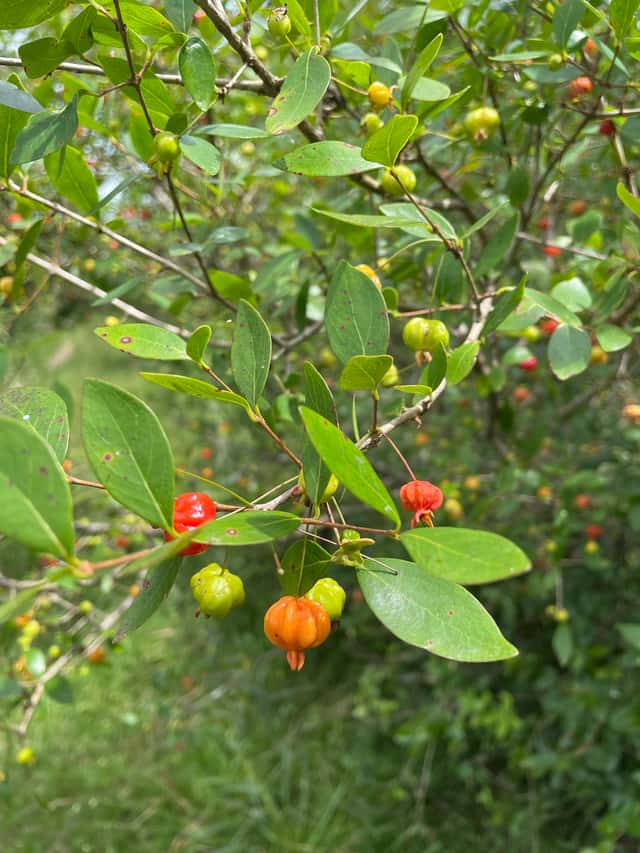
Eugenia (Eugenia) is a medium-care plant from the Myrtaceae family. Eugenia is one of the largest genera in the Myrtaceae family, comprising hundreds of tropical and subtropical trees and shrubs native to the Americas. It features glossy evergreen foliage, small white flowers with showy stamens, and prized edible fruit, such as pitanga (Eugenia uniflora) and grumixa...
Eugenia grows up to 8.0m, spread of 350cm, watering every 7 days, 15°C – 29°C. It is suitable for indoor environments and safe for pets.
Unlike many popular species, Eugenia is safe to keep around pets. Without adequate drainage, root rot can develop within 14 days.
How to Care for Eugenia?
TLDR: Eugenia needs Bright indirect, watering every 7 days, and temperatures between 15-29°C with 40-70% humidity.
How Often Should You Water Eugenia?
Water when the top couple of inches of soil feel dry, roughly once a week; cut back in winter.
How Much Light Does Eugenia Need?
Provide full sun to bright filtered light for at least 6 hours a day to encourage vigorous flowering and fruiting.
What Is the Best Soil for Eugenia?
Use well-draining soil rich in organic matter, pH 5.5-7.5; for containers, blend potting mix with sand or perlite.
What Pot Should You Use for Eugenia?
Terracotta or ceramic pot with drainage holes, sized to the plant, repotted into the next size up every 2-3 years.
Care Schedule
Fertilize
Every 21 days
Rotate
Every 14 days
Repot
Every 730 days
What Is Eugenia and Where Does It Come From?
Eugenia is one of the largest genera in the Myrtaceae family, comprising hundreds of tropical and subtropical trees and shrubs native to the Americas. It features glossy evergreen foliage, small white flowers with showy stamens, and prized edible fruit, such as pitanga (Eugenia uniflora) and grumixama (Eugenia brasiliensis). Species in this genus are grown both as backyard fruit trees and as ornamentals, and are especially popular for hedging and topiary thanks to their tolerance of frequent pruning.
How to Propagate Eugenia?
Semi-hardwood stem cutting
Keep the medium consistently moist and cover with a plastic bag or propagator lid until roots form.
- 1 Cut a semi-hardwood shoot about 6 inches long with at least two nodes
- 2 Strip the lower leaves and dip the cut end in rooting hormone
- 3 Plant in a light, moist growing medium and keep in a shaded, humid spot
Materials needed:
How Big Does Eugenia Grow?
TLDR: Eugenia can reach up to 8.0m tall with Fast growth rate.
Max height
8.0m
Spread
3.5m
Growth rate
Fast
Foliage
Evergreen
Plant Uses
Ornamental
Great for decoration
Edible
Can be consumed
Medicinal
Medicinal properties
Aromatic
Pleasant fragrance
Medicinal Uses
- Leaves of several species used in folk infusions to aid digestion and support healthy blood pressure
Culinary Uses
- Fruit of species like pitanga eaten fresh, and made into juices, jams and liqueurs
Is your plant showing symptoms?
Click on the symptom to discover possible causes:
What Diseases Commonly Affect Eugenia?
TLDR: Eugenia is susceptible to 8 known diseases. Monitor regularly for early detection.
Leaf Spot
Leaf spot is a common fungal disease caused by various pathogens including Alternaria, Ascochyta, Colletotrichum, Septoria, and Venturia. It primarily affects leaves, causing discolored spots that can lead to premature leaf drop if left untreated.
Anthracnose
Anthracnose is a fungal disease caused by fungi in the genus Colletotrichum that affects many plants, including vegetables, fruits, and trees. The disease thrives in cool, wet conditions, causing dark, sunken lesions on leaves, stems, flowers, and fruits.
Root Rot
Root rot is a serious fungal disease that affects the root system of plants, causing them to decay and die. It is primarily caused by overwatering, poor drainage, or soil-borne fungi such as Pythium, Phytophthora, Rhizoctonia, and Fusarium. The disease thrives in waterlogged conditions where roots are deprived of oxygen, making them susceptible to fungal infection.
Scale Insects
Scale insects are small sap-sucking pests that appear as brown, shell-like bumps on plant stems and leaves. There are over 25 species, divided into armored (hard) and unarmored (soft) scales. They feed by piercing plant tissue and extracting sap, which weakens the plant and can lead to yellowing, stunted growth, and even death if left untreated. They also excrete honeydew, which attracts ants and promotes sooty mold growth.
Meaning & Symbolism
A symbol of abundance and hospitality, since many species are generous dooryard fruit trees traditionally grown around homes.
Compare with similar plants
| Attribute | Difficulty | Light | Watering | Pet Safe |
|---|---|---|---|---|
| Dark Fieldcap | Medium | Low light | 2d | ⚠️ |
| Azalea | Medium | Partial shade | 3d | ⚠️ |
| Muriel's Bamboo | Medium | Partial shade | 3d | ✓ |
| Bougainvillea | Medium | Direct sun | 7d | ⚠️ |




