Santalaceae
European Mistletoe: Medicinal Uses & Care Tips
Viscum album
Unlike a typical potted plant, mistletoe is never grown in soil — it develops only while attached to the living branch of a host tree, from which it draws water and nutrients. There is no watering, fertilizing or substrate to manage; care means keeping the host tree healthy and avoiding excessive pruning of infected branches.
Every 7-10 days
Partial shade
° - °C
% - %
Categories
What is European Mistletoe?
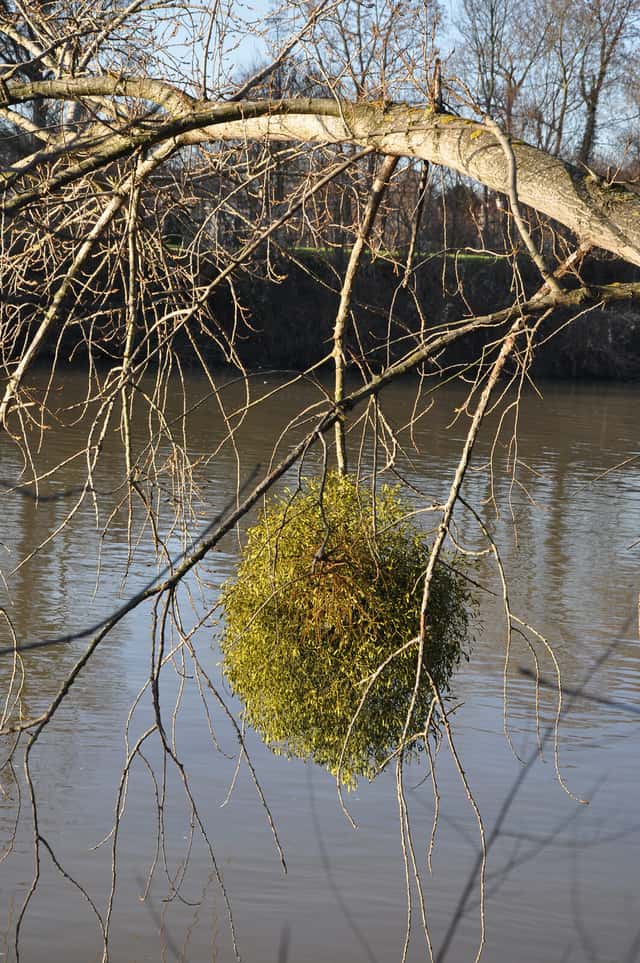
European Mistletoe (Viscum album) is a hard-care plant from the Santalaceae family. European mistletoe (Viscum album) is an evergreen hemiparasitic shrub in the family Santalaceae that grows attached to the branches of host trees such as apple, lime and poplar, drawing water and minerals through a haustorium. It has leathery, yellow-green leaves and small dioecious flowers followed...
European Mistletoe grows up to 1.0m, spread of 100cm. It is not suitable for indoor environments and not safe for pets.
Unlike easy-care plants, European Mistletoe demands constant attention to humidity and light. Not recommended for beginners. Without precautions, ingestion can cause irritation in pets. Keep out of reach of cats and dogs.
How to Care for European Mistletoe?
TLDR: European Mistletoe needs Partial shade, watering every 7 days, and temperatures between 15-30°C with 40-70% humidity.
How Often Should You Water European Mistletoe?
No watering is needed: mistletoe draws water directly from the host tree's sap through its haustorium.
How Much Light Does European Mistletoe Need?
Tolerates anything from partial shade to full sun, depending on where the host branch sits in the tree canopy.
What Is the Best Soil for European Mistletoe?
Does not grow in soil; it attaches to the host branch bark, where the seed germinates and penetrates the cambium.
What Is European Mistletoe and Where Does It Come From?
European mistletoe (Viscum album) is an evergreen hemiparasitic shrub in the family Santalaceae that grows attached to the branches of host trees such as apple, lime and poplar, drawing water and minerals through a haustorium. It has leathery, yellow-green leaves and small dioecious flowers followed by sticky white or yellow berries traditionally gathered at Christmas.
How to Propagate European Mistletoe?
Sowing onto host tree bark
Success depends entirely on the host tree's health and the seed staying glued to the bark by the berry's sticky pulp; in nature, birds such as thrushes disperse seeds this way by wiping their beaks on branches.
- 1 Collect ripe mistletoe berries in winter
- 2 Squash a berry onto the bark of a young, healthy branch of a compatible host tree (apple, lime or poplar), leaving the sticky pulp in contact with the bark
- 3 Choose a branch with thin bark, in a sunny position, at least 1 meter from the trunk
- 4 Let it germinate naturally from ambient moisture and light — do not water or cover the seed
- 5 Protect from birds and wait several years for the plant to establish and flower
Materials needed:
How Big Does European Mistletoe Grow?
TLDR: European Mistletoe can reach up to 1.0m tall with Slow growth rate.
Max height
1.0m
Spread
1.0m
Growth rate
Slow
Foliage
Evergreen
Warning: Toxic Plant
This plant can be toxic if ingested. Keep out of reach of:
Plant Uses
Medicinal
Medicinal properties
Ornamental
Great for decoration
Medicinal Uses
- Mistletoe extract (Iscador) used in complementary/anthroposophic cancer-support therapy, though scientific evidence of benefit is limited
- Traditional European herbal use for circulatory issues and high blood pressure
Is your plant showing symptoms?
Click on the symptom to discover possible causes:
What Diseases Commonly Affect European Mistletoe?
TLDR: European Mistletoe is susceptible to 1 known diseases. Monitor regularly for early detection.
Meaning & Symbolism
A sacred plant of Christmas tradition and the custom of kissing beneath it; linked in Norse mythology to the death of Baldr and revered by Druids as a symbol of peace, protection, fertility and eternal life for staying green and fruiting through winter without roots in the ground.
Compare with similar plants
| Attribute | Difficulty | Light | Watering | Pet Safe |
|---|---|---|---|---|
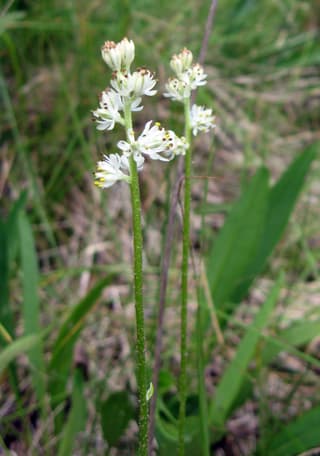
| Sticky false asphodel | Hard | Bright indirect | 1d | ✓ |
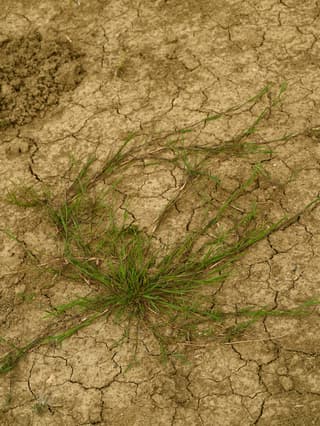
| Creeping bentgrass | Hard | Direct sun | 3d | ✓ |
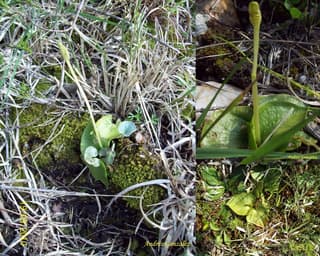
| Bulbous Adder's-tongue | Hard | Partial shade | 4d | ✓ |
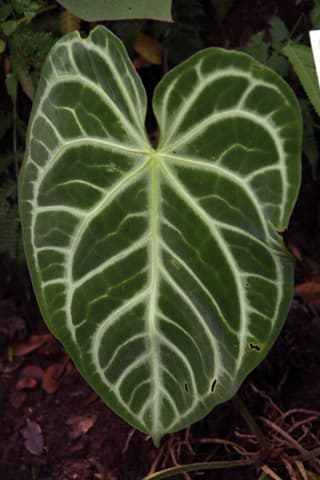
| Crystal Anthurium | Hard | Partial shade | 7d | ⚠️ |