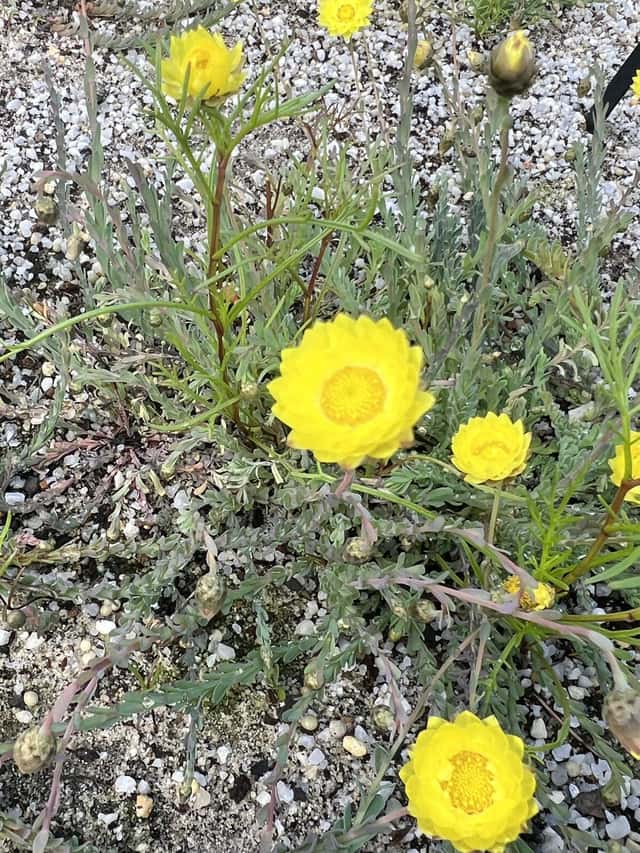
Asteraceae
Everlasting Daisy: Full Sun Plant
Rhodanthe chlorocephala
Requires full sun for at least 6 hours a day and poor, well-drained sandy soil. It is highly drought-tolerant, easy to grow from seed, and does not tolerate waterlogging or heavy, moisture-retentive soils.
Every 10 days
Direct sun
5° - 30°C
30% - 60%
Categories
What is Everlasting Daisy?
Everlasting Daisy (Rhodanthe chlorocephala) is a easy-care plant from the Asteraceae family. The Everlasting Daisy (Rhodanthe chlorocephala) is a popular Australian annual from the Asteraceae family, prized for its papery flower heads that retain their shape and color after drying. The plant grows to approximately 30 cm and produces upright stems with narrow, grey-green leaves. The flower h...
Everlasting Daisy grows up to 30cm, spread of 20cm, watering every 10 days, 5°C – 30°C, 30–60% humidity. It is not suitable for indoor environments and safe for pets.
Unlike many tropical plants, Everlasting Daisy tolerates watering mistakes. Best for beginners. Unlike many popular species, Everlasting Daisy is safe to keep around pets.
How to Care for Everlasting Daisy?
TLDR: Everlasting Daisy needs Direct sun, watering every 10 days, and temperatures between 5-30°C with 30-60% humidity.
How Often Should You Water Everlasting Daisy?
Water sparingly and only after the soil has completely dried out. Avoid wetting the leaves and flowers to reduce the risk of fungal diseases.
How Much Light Does Everlasting Daisy Need?
For abundant and compact flowering, it needs direct sun for most of the day; in the shade, the stems become leggy and it produces fewer blooms.
What Is the Best Soil for Everlasting Daisy?
Ideal is a light, sandy, and poor soil with excellent drainage. Fertilization is usually not necessary; over-fertilizing can actually be harmful.
What Pot Should You Use for Everlasting Daisy?
Thrives best directly in a garden bed or in a planter with plenty of drainage holes and a porous substrate mixed with sand.
What Is Everlasting Daisy and Where Does It Come From?
The Everlasting Daisy (Rhodanthe chlorocephala) is a popular Australian annual from the Asteraceae family, prized for its papery flower heads that retain their shape and color after drying. The plant grows to approximately 30 cm and produces upright stems with narrow, grey-green leaves. The flower heads, 1-6 cm in diameter, feature white, pink, or yellow ray bracts with a contrasting yellow-green or dark center. In its natural habitat in Western and South Australia, it grows in the sandy soils of eucalyptus forests and salt lakes, where it blooms primarily from late winter to spring.
How to Propagate Everlasting Daisy?
Seed Sowing
- Sow seeds in their permanent location, as this annual does not tolerate transplanting well.
- Blooms approximately 10-12 weeks after germination.
- 1 Substrate Preparation
Use a light, poor substrate mixed with sand for good drainage.
- 2 Sowing
Sow seeds directly in place after the last frost, press gently into the surface and do not cover with soil - they need light to germinate.
- 3 Watering until Emergence
Keep the substrate slightly moist with a spray bottle until the seeds emerge (usually 7-14 days).
- 4 Thinning Seedlings
After emergence, thin the seedlings to a spacing of 15-25 cm.
Materials needed:
How Big Does Everlasting Daisy Grow?
TLDR: Everlasting Daisy can reach up to 30cm tall with Fast growth rate.
Max height
30cm
Spread
20cm
Growth rate
Fast
Foliage
Deciduous
Plant Uses
Ornamental
Great for decoration
Is your plant showing symptoms?
Click on the symptom to discover possible causes:
What Diseases Commonly Affect Everlasting Daisy?
TLDR: Everlasting Daisy is susceptible to 5 known diseases. Monitor regularly for early detection.
Root Rot
Root rot is a serious fungal disease that affects the root system of plants, causing them to decay and die. It is primarily caused by overwatering, poor drainage, or soil-borne fungi such as Pythium, Phytophthora, Rhizoctonia, and Fusarium. The disease thrives in waterlogged conditions where roots are deprived of oxygen, making them susceptible to fungal infection.
Powdery Mildew
Powdery mildew is a common fungal disease caused by various fungi species including Erysiphe, Podosphaera, Oïdium, and Leveillula. It affects over 10,000 plant species worldwide. The disease thrives in warm, dry climates with high humidity and appears as a distinctive white powdery coating on plant surfaces.
Aphids
Aphids are small, soft-bodied, pear-shaped insects (1/16 to 1/8 inch long) that feed by sucking nutrient-rich sap from plants. They reproduce rapidly and can quickly weaken plants, causing distorted growth and transmitting plant viruses. Aphids come in various colors including green, black, red, yellow, brown, and gray. They secrete honeydew, a sticky substance that attracts ants and encourages sooty mold growth.
Slugs and Snails
Slugs and snails are mollusks that feed on plant tissue, causing irregular holes in leaves and damage to young seedlings. They are most active at night and in moist conditions, leaving characteristic silvery slime trails. These pests can quickly devastate gardens, especially during wet seasons.
Meaning & Symbolism
Symbolizes eternal love and immortality due to its ability to remain beautiful even after being dried.
Compare with similar plants
| Attribute | Difficulty | Light | Watering | Pet Safe |
|---|---|---|---|---|
| Field Maple | Easy | Bright indirect | 14d | ✓ |
| Silver Birch | Easy | Direct sun | 14d | ✓ |
| Common Blanketflower | Easy | Direct sun | 10d | ✓ |
| Cushion Bush | Easy | Direct sun | 14d | ✓ |





