Lamiaceae
Conradina Care Guide: Growing False Rosemary
Conradina
Give Conradina full sun and sharp drainage. Once established it needs very little water and no fertilizer -- the biggest risk is root rot from overwatering or heavy, poorly-drained soil.
Every 14 days
Direct sun
-9.4° - 35°C
30% - 60%
Categories
What is False Rosemary?
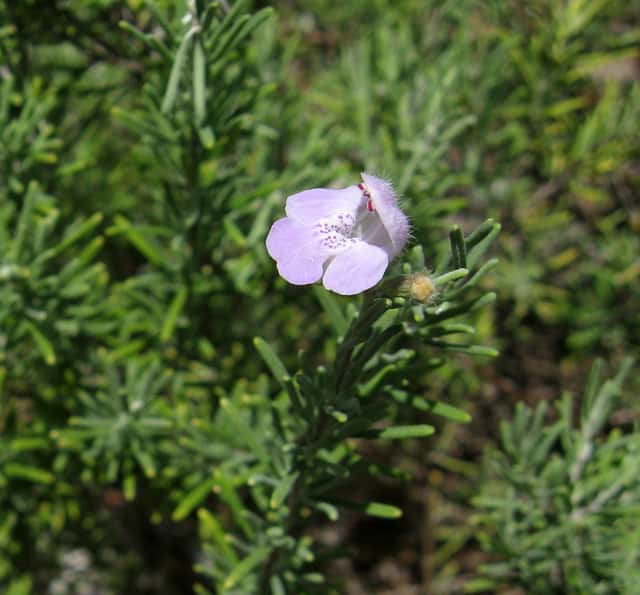
False Rosemary (Conradina) is a easy-care plant from the Lamiaceae family. Conradina is a small genus of about seven aromatic, evergreen shrubs in the mint family (Lamiaceae), native to the sandy scrublands and coastal dunes of the southeastern United States, especially Florida. Commonly called false rosemary for its needle-like, gray-green leaves and rosemary-like scent,...
False Rosemary grows up to 90cm, spread of 90cm, watering every 14 days, -9.4°C – 35°C, 30–60% humidity. It is not suitable for indoor environments and safe for pets.
Unlike many tropical plants, False Rosemary tolerates watering mistakes. Best for beginners. Unlike many popular species, False Rosemary is safe to keep around pets.
How to Care for False Rosemary?
TLDR: False Rosemary needs Direct sun, watering every 14 days, and temperatures between -9.4-35°C with 30-60% humidity.
How Often Should You Water False Rosemary?
Water deeply but infrequently, letting the soil dry out completely between waterings. Mature plants are extremely drought-tolerant and often need no supplemental water once established.
How Much Light Does False Rosemary Need?
Provide full sun with at least 6 hours of direct light daily; flowering and form suffer in shade.
What Is the Best Soil for False Rosemary?
Plant in sandy, poor, sharply-draining soil with a neutral to slightly alkaline pH (6.0-8.0). Avoid heavy clay or soil that stays wet.
What Pot Should You Use for False Rosemary?
Unglazed terracotta with generous drainage holes, if grown in a container; otherwise best planted directly in the ground in a sandy garden bed.
What Is False Rosemary and Where Does It Come From?
Conradina is a small genus of about seven aromatic, evergreen shrubs in the mint family (Lamiaceae), native to the sandy scrublands and coastal dunes of the southeastern United States, especially Florida. Commonly called false rosemary for its needle-like, gray-green leaves and rosemary-like scent, the plants form dense, rounded mounds 60-90 cm tall covered in small two-lipped purple, lavender, or white flowers from spring through fall. Highly drought-tolerant and adapted to poor, well-drained sandy soils, Conradina species are popular in xeriscaping, pollinator gardens, and coastal restoration plantings. Several species, including C. brevifolia, C. etonia, and C. glabra, are rare and federally protected.
How to Propagate False Rosemary?
Softwood Stem Cutting
Use clean, sharp shears and avoid overwatering the cutting tray, since false rosemary is highly prone to rot in soggy conditions.
- 1 Take a 7-10 cm softwood cutting from a healthy, non-flowering stem tip.
- 2 Strip the leaves from the bottom third of the cutting.
- 3 Dip the cut end in rooting hormone (optional but helpful).
- 4 Insert into a well-draining mix of sand and perlite.
- 5 Keep lightly moist and in bright, indirect light until roots form.
Materials needed:
Seed Propagation
Germination can be slow and uneven; be patient and avoid excess moisture.
- 1 Sow seeds on the surface of a sandy, well-draining seed mix.
- 2 Press seeds lightly into the soil without covering, as they need light to germinate.
- 3 Keep the mix evenly moist but never soggy.
- 4 Place in a warm spot with bright, indirect light.
Materials needed:
How Big Does False Rosemary Grow?
TLDR: False Rosemary can reach up to 90cm tall with Medium growth rate.
Max height
90cm
Spread
90cm
Growth rate
Medium
Foliage
Evergreen
Plant Uses
Ornamental
Great for decoration
Aromatic
Pleasant fragrance
Ground Cover
Soil coverage
Is your plant showing symptoms?
Click on the symptom to discover possible causes:
What Diseases Commonly Affect False Rosemary?
TLDR: False Rosemary is susceptible to 1 known diseases. Monitor regularly for early detection.
Meaning & Symbolism
As a hardy coastal native that thrives in harsh, sandy conditions, false rosemary is often associated with resilience and adaptability.
Fun Facts
The genus name honors 19th-century American botanist Solomon White Conrad.
Crushed leaves release a minty, rosemary-like fragrance, even though Conradina is not related to true rosemary (Salvia rosmarinus).
Several Conradina species are found only in a handful of Florida counties and are federally listed as endangered or threatened.
Frequently asked questions
How often should I water Conradina (false rosemary)?
Is false rosemary toxic to pets?
Why are the leaves of my Conradina turning brown and mushy?
Can Conradina be grown in containers?
Compare with similar plants
| Attribute | Difficulty | Light | Watering | Pet Safe |
|---|---|---|---|---|
| Field Maple | Easy | Bright indirect | 14d | ✓ |
| Silver Birch | Easy | Direct sun | 14d | ✓ |
| Common Blanketflower | Easy | Direct sun | 10d | ✓ |
| Cushion Bush | Easy | Direct sun | 14d | ✓ |





