Violaceae
Field Pansy (Viola arvensis) Care Guide
Viola arvensis
Field pansy is a hardy, low-maintenance wildflower that thrives in full sun to partial shade with consistently moist, well-drained soil. It tolerates poor and disturbed soils, self-seeds readily, and needs little care beyond occasional watering during dry spells and deadheading to prolong bloom.
Every 4 days
Bright indirect
-15° - 24°C
40% - 60%
Categories
What is Field Pansy?
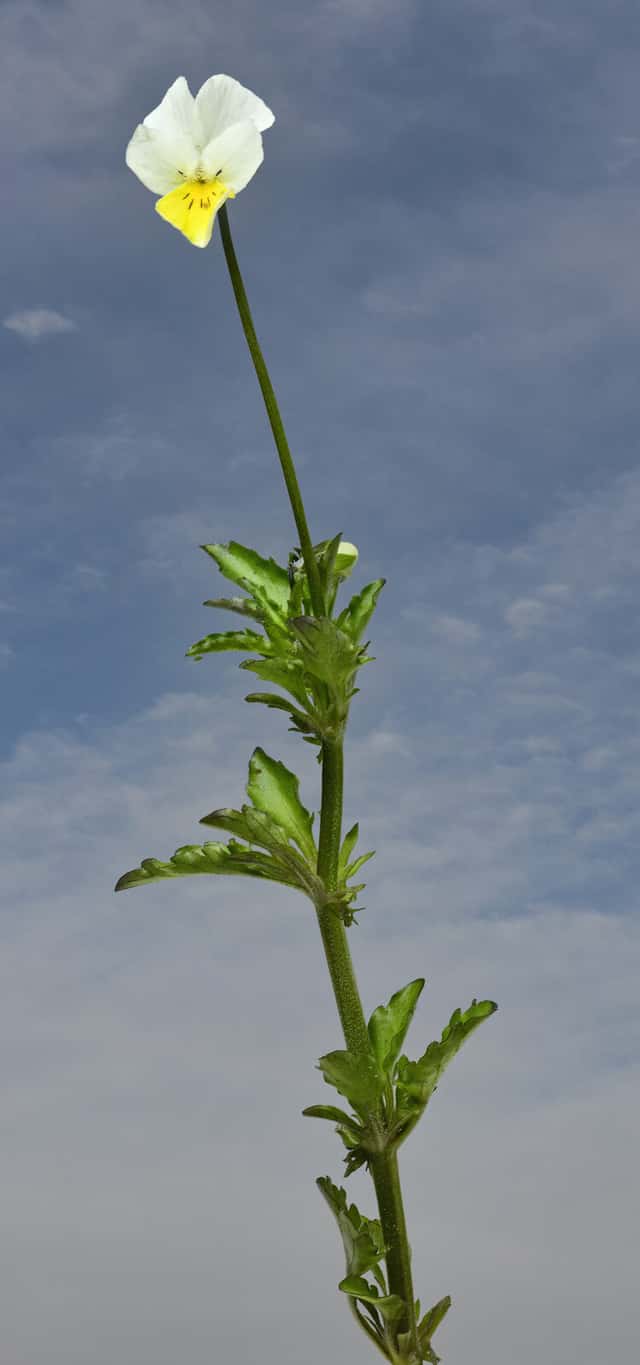
Field Pansy (Viola arvensis) is a easy-care plant from the Violaceae family. Viola arvensis, the field pansy, is a low-growing annual to biennial wildflower native to Europe, Western Asia, and North Africa. It forms a basal rosette of spoon-shaped leaves with bluntly toothed edges and produces small, five-petaled flowers usually creamy white to pale yellow with a purple-flec...
Field Pansy grows up to 40cm, spread of 40cm, watering every 4 days, -15°C – 24°C, 40–60% humidity. It is not suitable for indoor environments and safe for pets.
Unlike many tropical plants, Field Pansy tolerates watering mistakes. Best for beginners. Unlike many popular species, Field Pansy is safe to keep around pets.
How to Care for Field Pansy?
TLDR: Field Pansy needs Bright indirect, watering every 4 days, and temperatures between -15-24°C with 40-60% humidity.
How Often Should You Water Field Pansy?
Water when the top of the soil feels dry, roughly once or twice a week; keep the soil evenly moist but never waterlogged, as soggy conditions invite root rot.
How Much Light Does Field Pansy Need?
Give field pansy full sun for the best flowering, though it tolerates partial shade well, especially in warmer climates where afternoon shade helps it avoid heat stress.
What Is the Best Soil for Field Pansy?
Plant in well-drained loam, sand, or clay soil enriched with organic matter; it tolerates a wide pH range but prefers slightly acidic to neutral conditions.
What Pot Should You Use for Field Pansy?
Shallow, wide containers or garden beds with drainage holes work well; field pansy's compact root system does not need deep pots.
Care Schedule
Fertilize
Every 30 days
What Is Field Pansy and Where Does It Come From?
Viola arvensis, the field pansy, is a low-growing annual to biennial wildflower native to Europe, Western Asia, and North Africa. It forms a basal rosette of spoon-shaped leaves with bluntly toothed edges and produces small, five-petaled flowers usually creamy white to pale yellow with a purple-flecked lower petal, though color can vary. Widely naturalized, it thrives in disturbed soils, meadows, and cultivated fields, flowering from early spring through fall.
How to Propagate Field Pansy?
Seed sowing
Field pansy self-seeds readily, so established plantings often need little replanting; simply allow some flowers to go to seed.
- 1 Collect ripe seed pods once they turn brown and begin to split
- 2 Sow seeds directly onto well-drained soil in fall or early spring
- 3 Press seeds lightly into the soil surface and keep lightly moist
- 4 Thin seedlings once they develop true leaves
Materials needed:
How Big Does Field Pansy Grow?
TLDR: Field Pansy can reach up to 40cm tall with Medium growth rate.
Max height
40cm
Spread
40cm
Growth rate
Medium
Foliage
Deciduous
Plant Uses
Ornamental
Great for decoration
Culinary Uses
- Edible flowers used as a garnish in salads and desserts
Is your plant showing symptoms?
Click on the symptom to discover possible causes:
What Diseases Commonly Affect Field Pansy?
TLDR: Field Pansy is susceptible to 7 known diseases. Monitor regularly for early detection.
Powdery Mildew
Powdery mildew is a common fungal disease caused by various fungi species including Erysiphe, Podosphaera, Oïdium, and Leveillula. It affects over 10,000 plant species worldwide. The disease thrives in warm, dry climates with high humidity and appears as a distinctive white powdery coating on plant surfaces.
Cercospora Leaf Spot
Cercospora leaf spot is a common fungal disease caused by Cercospora species that affects many plant types, particularly beets, roses, and leafy vegetables. The disease thrives in warm, humid conditions and can cause significant defoliation, reducing plant vigor and yield. It spreads rapidly through water splash, wind, and contaminated tools.
Anthracnose
Anthracnose is a fungal disease caused by fungi in the genus Colletotrichum that affects many plants, including vegetables, fruits, and trees. The disease thrives in cool, wet conditions, causing dark, sunken lesions on leaves, stems, flowers, and fruits.
Gray Mold (Botrytis Blight)
Gray mold, caused by the fungus Botrytis cinerea, is one of the most common fungal diseases in plants. It affects over 200 plant species, including ornamentals, vegetables, fruits, and houseplants. The disease thrives in cool, humid conditions with poor air circulation, causing grayish spots and soft rot on infected tissues.
Meaning & Symbolism
Field pansy shares the folklore of its violet relatives, symbolizing thoughtfulness, remembrance, and humble love in European tradition.
Fun Facts
Field pansy is one of the first violets to bloom each spring across European meadows.
Its flowers range from white to pale yellow and lavender, often with a distinctive purple-streaked lower petal.
The species name arvensis means "of the field," referring to its common habitat in cultivated land.
Field pansy flowers are edible and sometimes used to add color to salads and desserts.
Frequently asked questions
Is field pansy the same as garden pansy?
Is Viola arvensis toxic to pets?
How often should I water field pansy?
Does field pansy need full sun?
Will field pansy come back every year?
Compare with similar plants
| Attribute | Difficulty | Light | Watering | Pet Safe |
|---|---|---|---|---|
| Field Maple | Easy | Bright indirect | 14d | ✓ |
| Silver Birch | Easy | Direct sun | 14d | ✓ |
| Common Blanketflower | Easy | Direct sun | 10d | ✓ |
| Cushion Bush | Easy | Direct sun | 14d | ✓ |





