Solanaceae
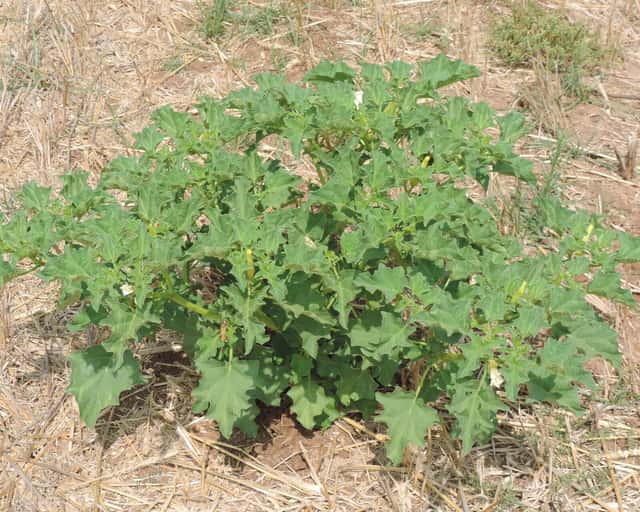
Datura ferox (Fierce Thornapple): Care Guide and Toxicity Warning
Datura ferox
Grow Datura ferox only outdoors, in full sun, with well-draining soil, and always out of reach of children and pets due to its severe toxicity. It thrives with minimal care as a self-seeding annual: water when the topsoil dries, avoid waterlogging, and expect fast growth over a single warm season before it sets its spiky seed pods and dies back with the first frost. Wear gloves whenever handling the plant.
Every 5 days
Direct sun
15° - 32°C
% - %
Categories
What is Fierce Thornapple?
Fierce Thornapple (Datura ferox) is a medium-care plant from the Solanaceae family. Datura ferox, known as the fierce thornapple or long-spined thorn apple, is a fast-growing annual weed in the nightshade family (Solanaceae), native to the Americas and now naturalized as an aggressive weed across warm regions worldwide. It is easily recognized by its funnel-shaped, yellowish-white...
Fierce Thornapple grows up to 1.2m, watering every 5 days, 15°C – 32°C. It is not suitable for indoor environments and not safe for pets.
Without precautions, ingestion can cause irritation in pets. Keep out of reach of cats and dogs.
How to Care for Fierce Thornapple?
TLDR: Fierce Thornapple needs Direct sun, watering every 5 days, and temperatures between 15-32°C with 40-70% humidity.
How Often Should You Water Fierce Thornapple?
Water moderately, allowing the top few centimeters of soil to dry between waterings; the plant tolerates brief dry spells but grows best with consistent moisture and well-drained soil that never stays waterlogged.
How Much Light Does Fierce Thornapple Need?
Provide full, direct sun for at least 6-8 hours a day; partial shade is tolerated but reduces flowering and vigor.
What Is the Best Soil for Fierce Thornapple?
Use a rich, well-draining sandy loam with a pH between 6.0 and 7.5; avoid heavy, waterlogged clay soils that encourage root rot.
What Pot Should You Use for Fierce Thornapple?
Not recommended as a houseplant. If grown in containers outdoors (for weed control or seed collection under expert supervision only), use a large, sturdy, well-draining pot placed well away from children, pets, and livestock, ideally in a locked or fenced garden area.
What Is Fierce Thornapple and Where Does It Come From?
Datura ferox, known as the fierce thornapple or long-spined thorn apple, is a fast-growing annual weed in the nightshade family (Solanaceae), native to the Americas and now naturalized as an aggressive weed across warm regions worldwide. It is easily recognized by its funnel-shaped, yellowish-white flowers and its spiny, egg-shaped seed capsules covered in 40-60 stout thorns up to 1.5 cm long -- the source of its Latin name "ferox" (fierce). WARNING: EVERY PART OF THIS PLANT IS SEVERELY TOXIC. Datura ferox contains extremely high concentrations of tropane alkaloids, especially scopolamine, along with hyoscyamine and atropine. Ingesting even small amounts of leaves, seeds, or flowers can cause hallucinations, delirium, rapid heartbeat, seizures, coma, and death in humans, cats, dogs, and livestock. This species should never be grown where children or pets have access, and no part of it should ever be ingested, brewed, or smoked.
How to Propagate Fierce Thornapple?
Seed sowing
Datura ferox seeds have a natural dormancy inhibitor, so germination can be slow and uneven (1-6 weeks); soaking and removing the seed coat can help. Always wear gloves when handling seeds or plant material, as all parts are highly toxic.
- 1 Collect seeds from a fully dried, brown seed capsule while wearing gloves.
- 2 Soak the seeds in water for 24 hours to soften the seed coat and improve germination.
- 3 Sow seeds shallowly in well-draining soil and keep consistently moist.
- 4 Keep at 21-24C in bright, indirect light until seedlings emerge.
- 5 Transplant seedlings outdoors after the last frost, spacing them well apart.
Materials needed:
How Big Does Fierce Thornapple Grow?
TLDR: Fierce Thornapple can reach up to 1.2m tall with Fast growth rate.
Max height
1.2m
Growth rate
Fast
Foliage
Deciduous
Warning: Toxic Plant
This plant can be toxic if ingested. Keep out of reach of:
Plant Uses
Medicinal
Medicinal properties
Medicinal Uses
- Historically harvested as a source of the tropane alkaloids scopolamine and hyoscyamine for pharmaceutical extraction -- this must only ever be done by trained professionals in controlled settings, as home use is extremely dangerous and can be fatal.
Is your plant showing symptoms?
Click on the symptom to discover possible causes:
What Diseases Commonly Affect Fierce Thornapple?
TLDR: Fierce Thornapple is susceptible to 4 known diseases. Monitor regularly for early detection.
Mosaic Virus
Mosaic virus is a group of plant viruses that cause mottled, patchy patterns on leaves and can affect a wide variety of plants. The virus creates characteristic yellow, white, and green mosaic patterns, often accompanied by stunted growth and deformed plant parts. This highly contagious disease spreads rapidly through insect vectors and contaminated tools.
Aphids
Aphids are small, soft-bodied, pear-shaped insects (1/16 to 1/8 inch long) that feed by sucking nutrient-rich sap from plants. They reproduce rapidly and can quickly weaken plants, causing distorted growth and transmitting plant viruses. Aphids come in various colors including green, black, red, yellow, brown, and gray. They secrete honeydew, a sticky substance that attracts ants and encourages sooty mold growth.
Spider Mites
Spider mites are tiny arachnids (less than 1/20 inch long) related to spiders and ticks that feed on plant sap. They thrive in hot, dry conditions and can cause significant damage to ornamental and vegetable plants. During severe infestations, crop losses can reach 14% or higher as these pests disrupt vital plant processes including photosynthesis, carbon dioxide absorption, and transpiration.
Caterpillars
Caterpillars are the larval stage of moths and butterflies that feed voraciously on plant foliage, stems, flowers, and fruits. Common species include cabbage loopers, tomato hornworms, armyworms, and cutworms. These pests can cause extensive damage by consuming large amounts of plant tissue in a short time. They vary in size from small (1/4 inch) to large (5 inches), with colors ranging from green to brown, often featuring stripes or spots. Caterpillars are highly mobile and can quickly spread throughout gardens, making them one of the most destructive common pests.
Meaning & Symbolism
In folklore and shamanic traditions across the Americas, Datura species -- including D. ferox -- were used and feared in equal measure, associated with witchcraft, prophetic visions, and death. Because of its severe toxicity and unpredictable, often fatal effects, Datura ferox symbolizes danger disguised as beauty: deception, forbidden knowledge, and mortal peril. It is not a plant of romance or good fortune -- treat every part of it as poison.
Fun Facts
The species name "ferox" is Latin for "fierce," referring to its thorn-covered seed capsules.
Datura ferox contains some of the highest scopolamine concentrations recorded in the genus Datura.
Its funnel-shaped flowers often stay only partially open, unlike showier ornamental Datura relatives.
A single plant can produce thousands of long-lived seeds that stay viable in soil for years.
Frequently asked questions
Is Datura ferox safe to touch?
Is Datura ferox poisonous to cats and dogs?
Can I grow Datura ferox indoors?
How toxic is Datura ferox to humans?
Compare with similar plants
| Attribute | Difficulty | Light | Watering | Pet Safe |
|---|---|---|---|---|
| Dark Fieldcap | Medium | Low light | 2d | ⚠️ |
| Azalea | Medium | Partial shade | 3d | ⚠️ |
| Muriel's Bamboo | Medium | Partial shade | 3d | ✓ |
| Bougainvillea | Medium | Direct sun | 7d | ⚠️ |
Choose & Compare
Sources & References
- Datura ferox - Wikipedia
- Datura ferox L. - Plants of the World Online, Kew Science
- Datura ferox - PlantNET/Lucid Central factsheet
- Jimson Weed (Datura) toxicity - Pet Poison Helpline
- How To Grow And Care For The Datura Plant - PlantCareToday
- Datura ferox (chamico) - SIB, Parques Nacionales Argentina




