Arecaceae
Fiji Fan Palm: The Royal Palm of the Pacific Islands
Pritchardia pacifica
Thrives in full sun with well-drained soil. Water regularly during growing season, allowing the top few inches to dry between waterings. High humidity and warm temperatures are essential.
Every 7 days
Bright indirect
13° - 32°C
60% - 80%
Categories
What is Fiji Fan Palm?
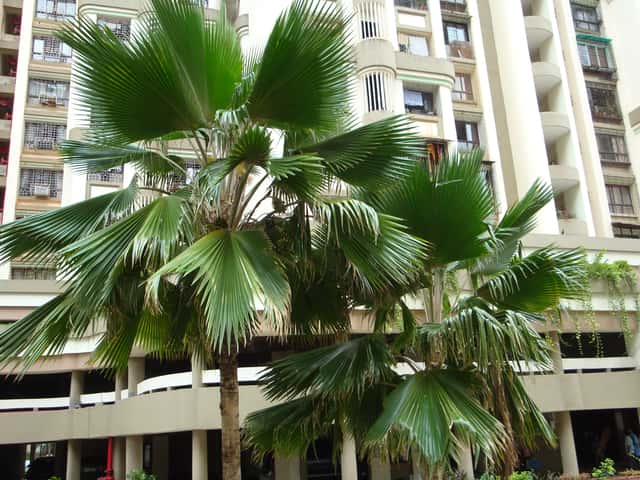
Fiji Fan Palm (Pritchardia pacifica) is a medium-care plant from the Arecaceae family. Pritchardia pacifica, commonly known as the Fiji Fan Palm or Pacific Fan Palm, is a majestic tropical palm native to the Pacific islands of Fiji and Tonga. It features stunning fan-shaped leaves up to 6 feet (1.8 m) in diameter, making it one of the most visually striking palms in the world. Histori...
Fiji Fan Palm grows up to 9.0m, spread of 550cm, watering every 7 days, 13°C – 32°C, 60–80% humidity. It is suitable for indoor environments and safe for pets.
Unlike many popular species, Fiji Fan Palm is safe to keep around pets. Without adequate drainage, root rot can develop within 14 days.
How to Care for Fiji Fan Palm?
TLDR: Fiji Fan Palm needs Bright indirect, watering every 7 days, and temperatures between 13-32°C with 60-80% humidity.
How Often Should You Water Fiji Fan Palm?
Water every 5-10 days during warm months. Allow the top 2-3 inches of soil to dry between waterings. Reduce to every 10-14 days in cooler periods. Avoid waterlogging to prevent root rot.
How Much Light Does Fiji Fan Palm Need?
Requires full sun to partial shade — at least 6 hours of direct sunlight daily. Indoors, place near a bright east or west-facing window. Avoid deep shade which stunts growth.
What Is the Best Soil for Fiji Fan Palm?
Use a well-draining mix: 40% potting soil, 30% orchid bark, 15% coconut coir, 15% perlite. Maintain pH between 6.0-7.0. Avoid heavy, compacted soils that retain excessive moisture.
What Pot Should You Use for Fiji Fan Palm?
Large terracotta or ceramic pot with drainage holes, or plant directly in tropical garden beds.
Care Schedule
Fertilize
Every 90 days
Misting
Every 3 days
Repot
Every 730 days
What Is Fiji Fan Palm and Where Does It Come From?
Pritchardia pacifica, commonly known as the Fiji Fan Palm or Pacific Fan Palm, is a majestic tropical palm native to the Pacific islands of Fiji and Tonga. It features stunning fan-shaped leaves up to 6 feet (1.8 m) in diameter, making it one of the most visually striking palms in the world. Historically, Fijian chiefs used its leaves as ceremonial fans, giving it deep cultural and royal significance.
How Big Does Fiji Fan Palm Grow?
TLDR: Fiji Fan Palm can reach up to 9.0m tall with Medium growth rate.
Max height
9.0m
Spread
5.5m
Growth rate
Medium
Foliage
Evergreen
Plant Uses
Ornamental
Great for decoration
Is your plant showing symptoms?
Click on the symptom to discover possible causes:
What Diseases Commonly Affect Fiji Fan Palm?
TLDR: Fiji Fan Palm is susceptible to 10 known diseases. Monitor regularly for early detection.
Root Rot
Root rot is a serious fungal disease that affects the root system of plants, causing them to decay and die. It is primarily caused by overwatering, poor drainage, or soil-borne fungi such as Pythium, Phytophthora, Rhizoctonia, and Fusarium. The disease thrives in waterlogged conditions where roots are deprived of oxygen, making them susceptible to fungal infection.
Leaf Spot
Leaf spot is a common fungal disease caused by various pathogens including Alternaria, Ascochyta, Colletotrichum, Septoria, and Venturia. It primarily affects leaves, causing discolored spots that can lead to premature leaf drop if left untreated.
Spider Mites
Spider mites are tiny arachnids (less than 1/20 inch long) related to spiders and ticks that feed on plant sap. They thrive in hot, dry conditions and can cause significant damage to ornamental and vegetable plants. During severe infestations, crop losses can reach 14% or higher as these pests disrupt vital plant processes including photosynthesis, carbon dioxide absorption, and transpiration.
Scale Insects
Scale insects are small sap-sucking pests that appear as brown, shell-like bumps on plant stems and leaves. There are over 25 species, divided into armored (hard) and unarmored (soft) scales. They feed by piercing plant tissue and extracting sap, which weakens the plant and can lead to yellowing, stunted growth, and even death if left untreated. They also excrete honeydew, which attracts ants and promotes sooty mold growth.
Meaning & Symbolism
In Fiji and Tonga, this palm was reserved for chiefs and royalty, used as ceremonial fans called "Iri masei". It symbolizes nobility, heritage, and the deep connection of Pacific islanders to their land.
Fun Facts
Pritchardia pacifica leaves can reach 6 feet (1.8 m) in diameter — among the largest fan palm fronds in the world.
In Fiji, this palm was exclusively used by royalty as ceremonial fans called "Iri masei".
It is salt-tolerant and thrives in coastal tropical environments.
The small round fruits ripen to dark purple or black and are a food source for native wildlife.
Despite its tropical origins, it can be grown indoors in large containers in bright, warm spaces.
Compare with similar plants
| Attribute | Difficulty | Light | Watering | Pet Safe |
|---|---|---|---|---|
| Dark Fieldcap | Medium | Low light | 2d | ⚠️ |
| Azalea | Medium | Partial shade | 3d | ⚠️ |
| Muriel's Bamboo | Medium | Partial shade | 3d | ✓ |
| Bougainvillea | Medium | Direct sun | 7d | ⚠️ |




