Pinaceae
Fir: Aromatic Plant
Abies
Grow in full sun to partial shade in cool, acidic, well-drained soil kept consistently moist. Firs need cold winters to go dormant properly and struggle in hot, humid climates.
Every 9 days
Bright indirect
° - °C
% - %
Categories
What is Fir?
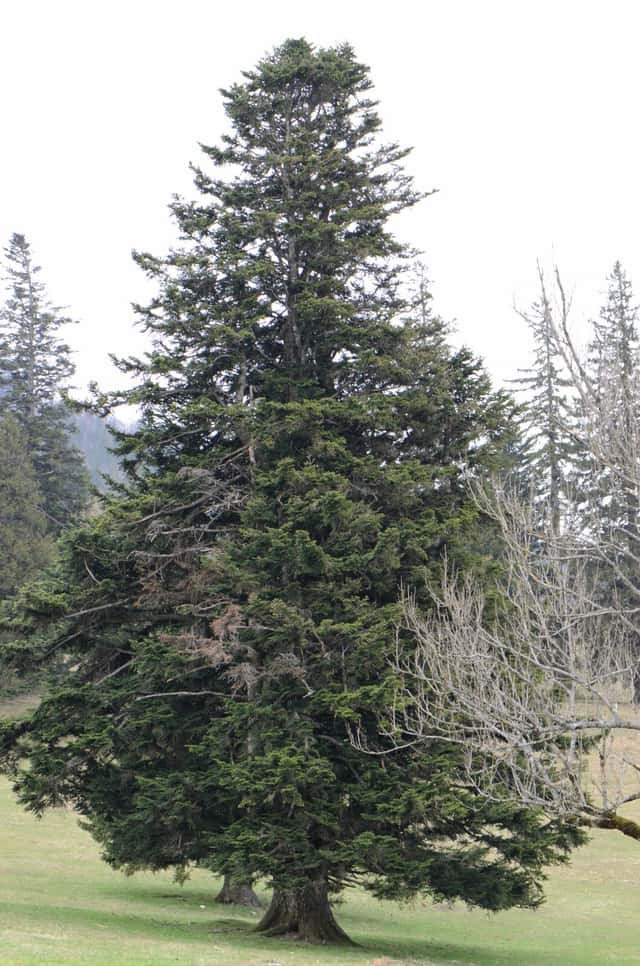
Fir (Abies) is a medium-care plant from the Pinaceae family. Abies is a genus of some 48-56 evergreen conifers in the pine family (Pinaceae), native to mountainous regions of Europe, Asia, and North and Central America. True firs form a distinctive pyramidal crown with flat, single needles that show two white stripes on their underside, and produce upright ba...
Fir grows up to 21.0m, spread of 700cm, watering every 9 days. It is not suitable for indoor environments and not safe for pets.
Without precautions, ingestion can cause irritation in pets. Keep out of reach of cats and dogs.
How to Care for Fir?
TLDR: Fir needs Bright indirect, watering every 9 days, and temperatures between 15-30°C with 40-70% humidity.
How Often Should You Water Fir?
Water deeply and regularly while the tree is young, letting the soil dry slightly between waterings. Established trees tolerate some drought but grow best with steady moisture and dislike waterlogging.
How Much Light Does Fir Need?
Give firs full sun for the densest, most symmetrical growth; some species tolerate partial shade but become sparser and less vigorous.
What Is the Best Soil for Fir?
Use cool, moist, well-drained soil rich in organic matter with a slightly acidic pH; avoid heavy clay that stays waterlogged.
What Pot Should You Use for Fir?
Young potted firs need a deep container with excellent drainage; move seedlings to open ground before roots become restricted, since mature firs are not suited to long-term container life.
What Is Fir and Where Does It Come From?
Abies is a genus of some 48-56 evergreen conifers in the pine family (Pinaceae), native to mountainous regions of Europe, Asia, and North and Central America. True firs form a distinctive pyramidal crown with flat, single needles that show two white stripes on their underside, and produce upright barrel-shaped cones that disintegrate on the tree at maturity rather than falling whole.
How to Propagate Fir?
Seed
Cones must be collected and dried to release seeds; seeds need 30-60 days of cold stratification before sowing
- 1 Collect mature cones in autumn and dry them to release seeds
- 2 Mix seeds with moist sand and refrigerate for 30-60 days
- 3 Sow stratified seeds in a well-draining seed mix
- 4 Keep consistently moist in bright, indirect light until germination
- 5 Transplant seedlings once true needles appear
Materials needed:
How Big Does Fir Grow?
TLDR: Fir can reach up to 21.0m tall with Medium growth rate.
Max height
21.0m
Spread
7.0m
Growth rate
Medium
Foliage
Evergreen
Warning: Toxic Plant
This plant can be toxic if ingested. Keep out of reach of:
Plant Uses
Ornamental
Great for decoration
Aromatic
Pleasant fragrance
Edible
Can be consumed
Medicinal
Medicinal properties
Medicinal Uses
- Needles and resin traditionally used in teas and salves for coughs and colds
- Balsam resin used as a folk remedy for minor skin wounds
Culinary Uses
- Young needles brewed into a vitamin C-rich tea
- Needle tips occasionally used to flavor syrups and spirits
Is your plant showing symptoms?
Click on the symptom to discover possible causes:
What Diseases Commonly Affect Fir?
TLDR: Fir is susceptible to 4 known diseases. Monitor regularly for early detection.
Root Rot
Root rot is a serious fungal disease that affects the root system of plants, causing them to decay and die. It is primarily caused by overwatering, poor drainage, or soil-borne fungi such as Pythium, Phytophthora, Rhizoctonia, and Fusarium. The disease thrives in waterlogged conditions where roots are deprived of oxygen, making them susceptible to fungal infection.
Canker
Canker is a disease caused by various fungi and bacteria that create necrotic, sunken areas on bark of branches, stems, and trunks. Pathogens enter through wounds and natural openings, especially when plants are stressed. Canker can gradually weaken or kill branches by disrupting water and nutrient flow.
Rust
Rust is a common fungal disease caused by fungi in the order Pucciniales that affects a wide variety of plants. The disease gets its name from the characteristic orange, yellow, or reddish-brown pustules that appear on leaves, resembling metal rust. This obligate fungal parasite requires living plants to survive and can cause significant economic losses in agricultural crops.
Aphids
Aphids are small, soft-bodied, pear-shaped insects (1/16 to 1/8 inch long) that feed by sucking nutrient-rich sap from plants. They reproduce rapidly and can quickly weaken plants, causing distorted growth and transmitting plant viruses. Aphids come in various colors including green, black, red, yellow, brown, and gray. They secrete honeydew, a sticky substance that attracts ants and encourages sooty mold growth.
Meaning & Symbolism
The fir is the classic Christmas tree, symbolizing eternal life, hope, and the return of light and life through the darkness of winter.
Compare with similar plants
| Attribute | Difficulty | Light | Watering | Pet Safe |
|---|---|---|---|---|
| Dark Fieldcap | Medium | Low light | 2d | ⚠️ |
| Azalea | Medium | Partial shade | 3d | ⚠️ |
| Muriel's Bamboo | Medium | Partial shade | 3d | ✓ |
| Bougainvillea | Medium | Direct sun | 7d | ⚠️ |




