Asteraceae
Florist's Chrysanthemum (Chrysanthemum × morifolium): Complete Care Guide
Chrysanthemum × morifolium
A moderately easy plant that demands plenty of direct sunlight, regular watering without waterlogging, and cool to moderate temperatures. Fertilize during the growing season, deadhead spent blooms to extend flowering, and pinch back stems in early summer for a bushier habit.
Every 3 days
Bright indirect
5° - 24°C
40% - 60%
Categories
What is Florist's Chrysanthemum?
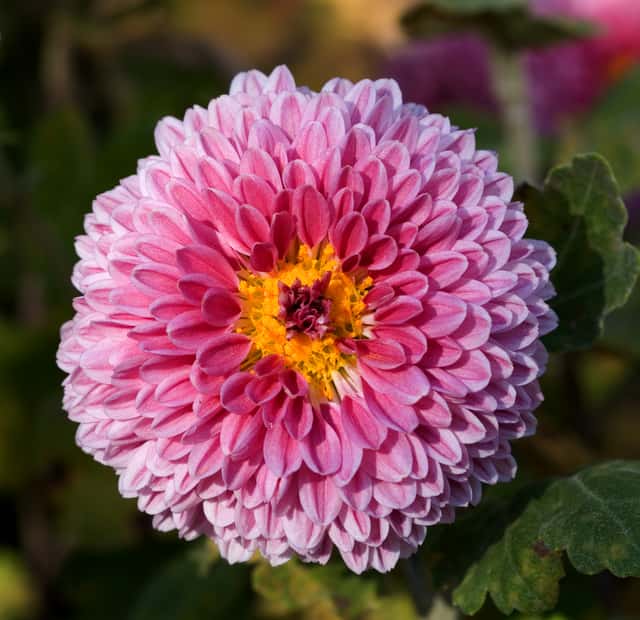
Florist's Chrysanthemum (Chrysanthemum × morifolium) is a medium-care plant from the Asteraceae family. The Florist's Chrysanthemum (Chrysanthemum × morifolium) is one of the world's most popular ornamental flowering plants, developed through centuries of hybridization originating in ancient China. Known for its spectacular fall blooms in shades of white, yellow, pink, red, purple, and orange, it is w...
Florist's Chrysanthemum grows up to 90cm, spread of 90cm, watering every 3 days, 5°C – 24°C, 40–60% humidity. It is suitable for indoor environments and not safe for pets.
Without precautions, ingestion can cause irritation in pets. Keep out of reach of cats and dogs. Without adequate drainage, root rot can develop within 7 days.
How to Care for Florist's Chrysanthemum?
TLDR: Florist's Chrysanthemum needs Bright indirect, watering every 3 days, and temperatures between 5-24°C with 40-60% humidity.
How Often Should You Water Florist's Chrysanthemum?
Water every 2-4 days, watering deeply at the base of the plant. Let the top inch of soil dry between waterings. Avoid wetting the foliage, which promotes fungal disease. Reduce watering frequency in cool autumn weather.
How Much Light Does Florist's Chrysanthemum Need?
Place in a spot receiving at least 6 hours of direct sun daily. Morning sun is ideal; protect from intense afternoon sun in hot climates. Insufficient light leads to leggy growth and fewer blooms.
What Is the Best Soil for Florist's Chrysanthemum?
Use well-draining soil with a pH of 6.5-7.0. A mix of quality potting soil with perlite or coarse sand works well. Avoid heavy clay soils that retain moisture and promote root rot.
What Pot Should You Use for Florist's Chrysanthemum?
Medium ceramic or terracotta pot (20-30 cm diameter) with drainage holes. A slightly deeper pot supports good root development. For outdoor garden planting, ensure well-amended bed soil.
Care Schedule
Fertilize
Every 30 days
Repot
Every 730 days
What Is Florist's Chrysanthemum and Where Does It Come From?
The Florist's Chrysanthemum (Chrysanthemum × morifolium) is one of the world's most popular ornamental flowering plants, developed through centuries of hybridization originating in ancient China. Known for its spectacular fall blooms in shades of white, yellow, pink, red, purple, and orange, it is widely used as a cut flower, potted plant, and garden border perennial. It thrives in full sun with well-drained soil and moderate watering.
How to Propagate Florist's Chrysanthemum?
Stem Cutting
Take cuttings in spring or early summer for best results. Keep the medium consistently moist but not waterlogged during rooting.
- 1 Cut a healthy stem 5-7 cm long, just below a node
- 2 Remove lower leaves, keeping only 2-3 leaves at the top
- 3 Dip the cut end in rooting hormone powder
- 4 Plant in moist, well-draining potting mix
- 5 Keep in bright indirect light with high humidity until rooted
Materials needed:
Crown Division
Divide established plants every 2-3 years to maintain vigor and encourage prolific flowering.
- 1 Remove the plant from its pot or dig it up in spring
- 2 Divide the root ball into sections, each with healthy roots and shoots
- 3 Replant each section in fresh, well-draining soil
- 4 Water well and keep in partial shade for one week
Materials needed:
How Big Does Florist's Chrysanthemum Grow?
TLDR: Florist's Chrysanthemum can reach up to 90cm tall with Medium growth rate.
Max height
90cm
Spread
90cm
Growth rate
Medium
Foliage
Deciduous
Warning: Toxic Plant
This plant can be toxic if ingested. Keep out of reach of:
Plant Uses
Ornamental
Great for decoration
Is your plant showing symptoms?
Click on the symptom to discover possible causes:
What Diseases Commonly Affect Florist's Chrysanthemum?
TLDR: Florist's Chrysanthemum is susceptible to 18 known diseases. Monitor regularly for early detection.
Powdery Mildew
Powdery mildew is a common fungal disease caused by various fungi species including Erysiphe, Podosphaera, Oïdium, and Leveillula. It affects over 10,000 plant species worldwide. The disease thrives in warm, dry climates with high humidity and appears as a distinctive white powdery coating on plant surfaces.
Gray Mold (Botrytis Blight)
Gray mold, caused by the fungus Botrytis cinerea, is one of the most common fungal diseases in plants. It affects over 200 plant species, including ornamentals, vegetables, fruits, and houseplants. The disease thrives in cool, humid conditions with poor air circulation, causing grayish spots and soft rot on infected tissues.
Gray Mold (Botrytis Blight)
Gray mold, caused by the fungus Botrytis cinerea, is a widespread necrotrophic pathogen affecting over 1,400 plant species. It thrives in cool, humid conditions and attacks weakened or aging plant tissues, causing soft rot and characteristic gray fuzzy growth.
Rust
Rust is a common fungal disease caused by fungi in the order Pucciniales that affects a wide variety of plants. The disease gets its name from the characteristic orange, yellow, or reddish-brown pustules that appear on leaves, resembling metal rust. This obligate fungal parasite requires living plants to survive and can cause significant economic losses in agricultural crops.
Meaning & Symbolism
Symbolizes loyalty, honesty, and longevity. The November birth flower, associated with joy and long life in Asian cultures. In China and Japan, chrysanthemums represent nobility and are emblematic of autumn and perseverance.
Fun Facts
Chrysanthemums have been cultivated in China for over 2,500 years and were mentioned in the writings of Confucius around 500 BC.
The chrysanthemum is the symbol of the Japanese Imperial Family and appears on the Japanese Imperial Seal.
There are more than 20,000 registered chrysanthemum cultivars worldwide, with flower forms ranging from pompons to spiders.
NASA included chrysanthemums in their Clean Air Study as one of the plants effective at removing indoor air pollutants.
Frequently asked questions
How often should I water my Chrysanthemum?
Is Chrysanthemum morifolium toxic to cats and dogs?
Why is my Chrysanthemum not blooming?
Can I grow Chrysanthemum indoors?
How do I make my Chrysanthemum bushier?
Compare with similar plants
| Attribute | Difficulty | Light | Watering | Pet Safe |
|---|---|---|---|---|
| Dark Fieldcap | Medium | Low light | 2d | ⚠️ |
| Azalea | Medium | Partial shade | 3d | ⚠️ |
| Muriel's Bamboo | Medium | Partial shade | 3d | ✓ |
| Bougainvillea | Medium | Direct sun | 7d | ⚠️ |