Poaceae
Setaria (Foxtail Grass) Care Guide
Setaria
Setaria grasses are easy, low-maintenance, fast-growing annuals that thrive with full sun, regular moderate watering, and well-draining, nutrient-rich soil. They germinate and mature quickly (75-90 days for foxtail millet), producing upright leafy stems topped with dense, bristly seed heads through summer into fall.
Every 4 days
Bright indirect
15° - 25°C
% - %
Categories
What is Foxtail Grass?
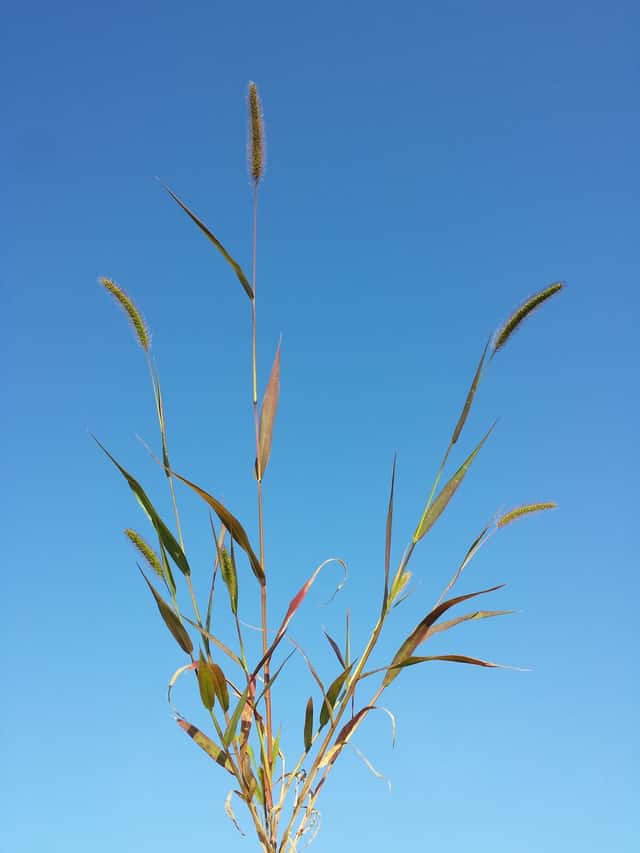
Foxtail Grass (Setaria) is a easy-care plant from the Poaceae family. Setaria is a large genus of warm-season annual and short-lived perennial grasses in the Poaceae (grass) family, commonly known as foxtails or bristlegrasses for their dense, bristly, cylindrical seed heads that resemble the bushy tail of a fox. The genus includes both common weedy species -- such as...
Foxtail Grass grows up to 2.0m, spread of 60cm, watering every 4 days, 15°C – 25°C. It is not suitable for indoor environments and not safe for pets.
Unlike many tropical plants, Foxtail Grass tolerates watering mistakes. Best for beginners. Without precautions, ingestion can cause irritation in pets. Keep out of reach of cats and dogs.
How to Care for Foxtail Grass?
TLDR: Foxtail Grass needs Bright indirect, watering every 4 days, and temperatures between 15-25°C with 40-70% humidity.
How Often Should You Water Foxtail Grass?
Water every 3-4 days during the growing season, keeping soil evenly moist but never waterlogged. Let the top 1-2 inches dry between waterings once established; Setaria tolerates brief dry spells better than soggy roots.
How Much Light Does Foxtail Grass Need?
Give Setaria full sun to light partial shade -- at least 6-8 hours of bright direct light daily -- for the strongest stems and fullest seed heads. It does not perform well in low light.
What Is the Best Soil for Foxtail Grass?
Plant in loamy or sandy-loam soil that drains well but retains some moisture, with a slightly acidic to neutral pH (6.0-7.5). Enrich with organic matter or balanced fertilizer at planting for best vigor.
What Pot Should You Use for Foxtail Grass?
A wide, well-draining container (or open garden bed) at least 20-25 cm deep suits the fibrous root system of Setaria; ensure generous drainage holes to avoid waterlogging.
What Is Foxtail Grass and Where Does It Come From?
Setaria is a large genus of warm-season annual and short-lived perennial grasses in the Poaceae (grass) family, commonly known as foxtails or bristlegrasses for their dense, bristly, cylindrical seed heads that resemble the bushy tail of a fox. The genus includes both common weedy species -- such as green foxtail (S. viridis) and yellow foxtail (S. pumila) -- found along roadsides, fields, and disturbed soil across temperate regions worldwide, and the important cereal crop foxtail millet (S. italica), domesticated roughly 8,000 years ago along the Yellow River in China and still cultivated across Asia, Africa, and parts of Europe for grain, hay, and birdseed. As a genus-level entry, care guidance here reflects general growing conditions for Setaria species, with cultivated foxtail millet as the best-documented reference point.
How to Propagate Foxtail Grass?
Seed Sowing
Choose a full-sun spot and avoid overcrowding, which promotes fungal issues like powdery mildew. Self-sows readily, so remove seed heads before they mature if you want to prevent spreading.
- 1 Sow seeds directly in the garden or containers after the last frost, once soil has warmed.
- 2 Scatter seeds thinly over loosened, well-draining soil and cover lightly with about 1 cm of soil.
- 3 Keep the soil consistently moist until germination, which typically takes 7-14 days.
- 4 Thin seedlings to 15-20 cm apart once they reach a few centimeters tall.
- 5 Water regularly through the growing season; plants will flower and set seed within 75-90 days.
Materials needed:
How Big Does Foxtail Grass Grow?
TLDR: Foxtail Grass can reach up to 2.0m tall with Fast growth rate.
Max height
2.0m
Spread
60cm
Growth rate
Fast
Foliage
Deciduous
Warning: Toxic Plant
This plant can be toxic if ingested. Keep out of reach of:
Plant Uses
Ornamental
Great for decoration
Edible
Can be consumed
Culinary Uses
- Grain milled into flour or cooked as porridge (foxtail millet)
- Used for birdseed and animal fodder
- Harvested as hay or silage
Is your plant showing symptoms?
Click on the symptom to discover possible causes:
What Diseases Commonly Affect Foxtail Grass?
TLDR: Foxtail Grass is susceptible to 6 known diseases. Monitor regularly for early detection.
Downy Mildew
Downy mildew is a fungal-like disease caused by oomycetes (water molds) that thrives in cool, wet conditions. It affects a wide range of plants, causing yellowing leaves with fuzzy white-gray growth underneath, leading to defoliation and reduced yields if left untreated.
Root Rot
Root rot is a serious fungal disease that affects the root system of plants, causing them to decay and die. It is primarily caused by overwatering, poor drainage, or soil-borne fungi such as Pythium, Phytophthora, Rhizoctonia, and Fusarium. The disease thrives in waterlogged conditions where roots are deprived of oxygen, making them susceptible to fungal infection.
Powdery Mildew
Powdery mildew is a common fungal disease caused by various fungi species including Erysiphe, Podosphaera, Oïdium, and Leveillula. It affects over 10,000 plant species worldwide. The disease thrives in warm, dry climates with high humidity and appears as a distinctive white powdery coating on plant surfaces.
Spider Mites
Spider mites are tiny arachnids (less than 1/20 inch long) related to spiders and ticks that feed on plant sap. They thrive in hot, dry conditions and can cause significant damage to ornamental and vegetable plants. During severe infestations, crop losses can reach 14% or higher as these pests disrupt vital plant processes including photosynthesis, carbon dioxide absorption, and transpiration.
Fun Facts
The name Setaria comes from the Latin "seta," meaning bristle, referring to its spiky seed heads.
Foxtail millet (S. italica) is one of the oldest domesticated cereal crops, cultivated in China for roughly 8,000 years.
Green foxtail (S. viridis) is the wild ancestor of cultivated foxtail millet and remains interfertile with it.
Despite being harmless to touch as seedlings, mature Setaria seed heads are a leading cause of foxtail-related veterinary emergencies in dogs.
Frequently asked questions
Is Setaria (foxtail grass) toxic to dogs and cats?
How often should I water Setaria?
Can I eat Setaria seeds?
How fast does Setaria grow?
Does Setaria need full sun?
Compare with similar plants
| Attribute | Difficulty | Light | Watering | Pet Safe |
|---|---|---|---|---|
| Field Maple | Easy | Bright indirect | 14d | ✓ |
| Muriel's Bamboo | Medium | Partial shade | 3d | ✓ |
| Silver Birch | Easy | Direct sun | 14d | ✓ |
| Common Blanketflower | Easy | Direct sun | 10d | ✓ |
Choose & Compare
Sources & References
- Setaria Plant Growing & Care Guide for Gardeners
- Foxtail Millet (Setaria italica) Care Guide
- Foxtail millet - Wikipedia
- Pests and Diseases of Foxtail Millet (Setaria italica L. Beauv.)
- Setaria viridis - Green foxtail Poisoning in Horses
- Protect Your Pets From Foxtail Grass This Summer
- Characterizing serotonin biosynthesis upon aphid infestation in Setaria viridis
- Green foxtail - Setaria viridis





