Loranthaceae
Platero: Medicinal Uses & Care Tips
Gaiadendron punctatum
The platero is not a conventional cultivation plant: being hemiparasitic, it depends on the roots of a living host to obtain water and mineral nutrients, although it retains its own photosynthetic capacity. In its natural habitat, it grows in open spaces, páramos, and Andean forest edges with high environmental humidity and well-drained mountain soils. There are no established horticultural protocols for growing it in pots or gardens outside of its native ecosystem.
Every 7 days
Bright indirect
° - °C
% - %
Categories
What is Platero?
Platero (Gaiadendron punctatum) is a hard-care plant from the Loranthaceae family. Gaiadendron punctatum, known as platero or field violet, is a hemiparasitic shrub or small tree in the Loranthaceae family, native to Andean forests and páramos from Nicaragua to Bolivia, at elevations between 1,330 and 3,950 meters above sea level. Unlike most plants in its family, which parasitize...
Platero grows up to 10.0m, watering every 7 days. It is not suitable for indoor environments and safe for pets.
Unlike easy-care plants, Platero demands constant attention to humidity and light. Not recommended for beginners. Unlike many popular species, Platero is safe to keep around pets.
How to Care for Platero?
TLDR: Platero needs Bright indirect, watering every 7 days, and temperatures between 15-30°C with 40-70% humidity.
How Often Should You Water Platero?
In its cloud forest and páramo habitat, it receives constant moisture from fog and frequent rains; attempting to grow it in a pot is not recommended, as it depends on the root system of a living host.
How Much Light Does Platero Need?
It prefers open spaces and disturbed soils with high to full sun exposure, a condition typical of páramo clearings and Andean forest edges where it grows naturally.
What Is the Best Soil for Platero?
It develops in organic, well-drained mountain soils typical of Andean slopes between 1,330 and 3,950 meters above sea level.
What Pot Should You Use for Platero?
Not suitable for pots: as a hemiparasite, it needs to remain connected to the roots of a living host plant to survive, a condition that cannot be recreated in a conventional container.
What Is Platero and Where Does It Come From?
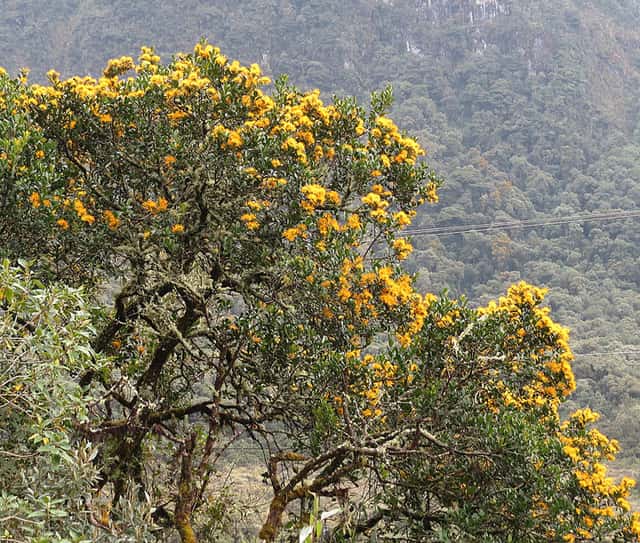
Gaiadendron punctatum, known as platero or field violet, is a hemiparasitic shrub or small tree in the Loranthaceae family, native to Andean forests and páramos from Nicaragua to Bolivia, at elevations between 1,330 and 3,950 meters above sea level. Unlike most plants in its family, which parasitize tree branches, the platero usually grows terrestrially, parasitizing the roots of other plants and reaching up to 10 meters in height. Its leaves are opposite, leathery, lanceolate or obovate in shape, dark green and glossy on the upper surface, with characteristic black dots on a yellowish underside. It produces clusters of tubular white or golden-yellow flowers and orange globose fruits approximately 1 cm in diameter.
How to Propagate Platero?
There is no documented horticultural propagation protocol; recorded reproduction occurs naturally through bird dispersal and requires the presence of a compatible host, so the species is practically never cultivated outside its habitat.
- 1 Birds consume the fruit and deposit the seed, covered in a viscous substance, onto the branches or exposed roots of a host tree or shrub.
- 2 The seed adheres to the host tissue and germinates in direct contact with it.
- 3 The seedling forms a haustorium that connects its vascular system with that of the host to obtain water and mineral nutrients.
How Big Does Platero Grow?
TLDR: Platero can reach up to 10.0m tall with Medium growth rate.
Max height
10.0m
Foliage
Evergreen
Plant Uses
Ornamental
Great for decoration
Medicinal
Medicinal properties
Medicinal Uses
- Infusion of leaves and flowers traditionally used as a hair tonic
- Traditional use in the treatment of bronchitis
- Traditional use for the relief of liver pain
- Traditional use in the treatment of the flu
- Traditional use to relieve severe coughs
- Traditional use in postpartum conditions
- Traditional use for nervous conditions and insomnia
- Traditional use for issues related to puberty
- Historical traditional use against smallpox and measles
Is your plant showing symptoms?
Click on the symptom to discover possible causes:
Compare with similar plants
| Attribute | Difficulty | Light | Watering | Pet Safe |
|---|---|---|---|---|
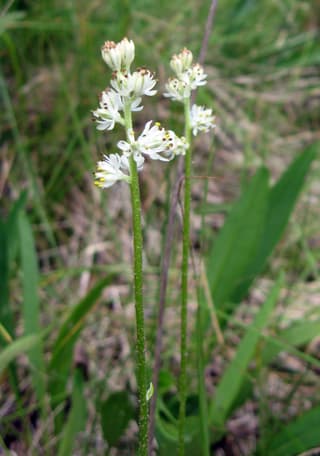
| Sticky false asphodel | Hard | Bright indirect | 1d | ✓ |
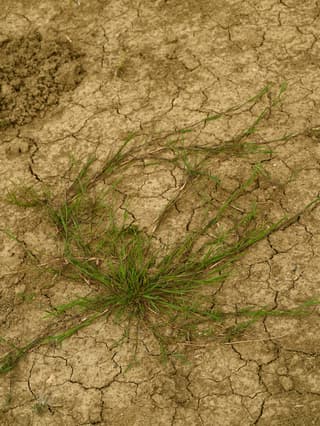
| Creeping bentgrass | Hard | Direct sun | 3d | ✓ |
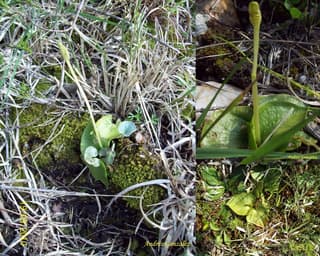
| Bulbous Adder's-tongue | Hard | Partial shade | 4d | ✓ |
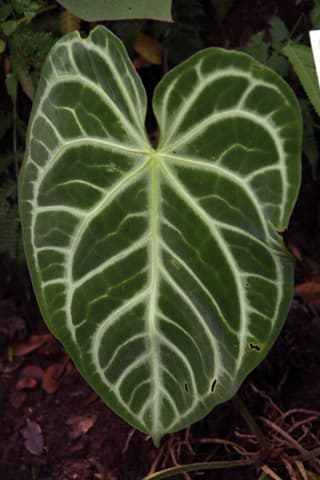
| Crystal Anthurium | Hard | Partial shade | 7d | ⚠️ |