Lamiaceae
Germander - Teucrium
Teucrium
Grow in full sun with well-draining soil. Drought-tolerant once established; needs regular light pruning to keep a compact shape. Low fertilizer needs and generally pest-resistant.
Every 10 days
Bright indirect
5° - 35°C
30% - 50%
Categories
What is Germander?
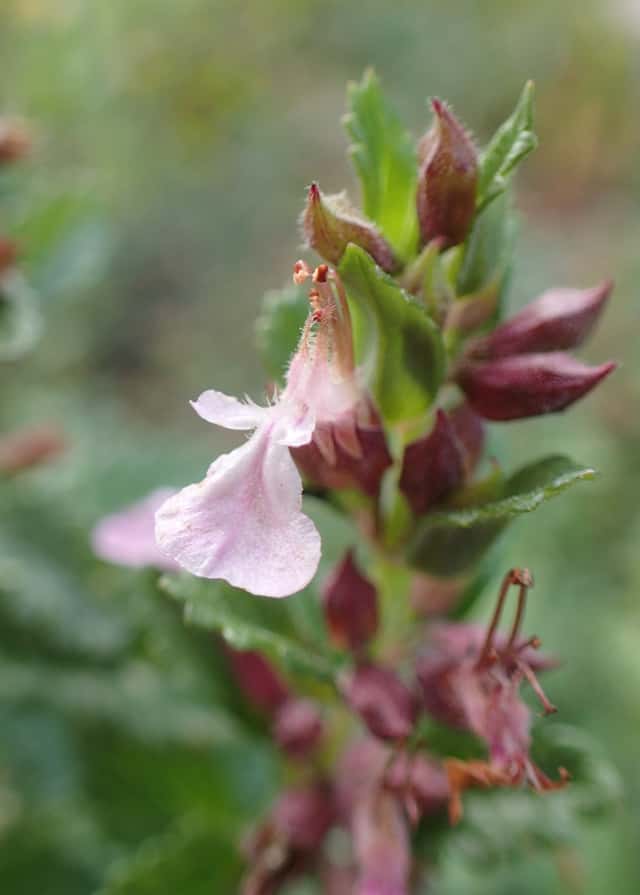
Germander (Teucrium) is a easy-care plant from the Lamiaceae family. Teucrium is a genus of aromatic sub-shrubs in the mint family (Lamiaceae), native to the Mediterranean region. Its most widely cultivated species, wall germander (Teucrium chamaedrys) and tree germander (Teucrium fruticans), are prized for evergreen foliage, delicate flowers, and excellent drought t...
Germander grows up to 90cm, spread of 120cm, watering every 10 days, 5°C – 35°C, 30–50% humidity. It is not suitable for indoor environments and not safe for pets.
Unlike many tropical plants, Germander tolerates watering mistakes. Best for beginners. Without precautions, ingestion can cause irritation in pets. Keep out of reach of cats and dogs.
How to Care for Germander?
TLDR: Germander needs Bright indirect, watering every 10 days, and temperatures between 5-35°C with 30-50% humidity.
How Often Should You Water Germander?
Water moderately, letting the soil dry out between waterings. Avoid waterlogging, as roots are prone to rot in soggy conditions.
How Much Light Does Germander Need?
Plant in full sun to light shade; more light produces denser growth and better flowering.
What Is the Best Soil for Germander?
Use well-draining soil, ideally neutral to alkaline or slightly limey, with good aeration.
What Pot Should You Use for Germander?
Terracotta pot with drainage holes
What Is Germander and Where Does It Come From?
Teucrium is a genus of aromatic sub-shrubs in the mint family (Lamiaceae), native to the Mediterranean region. Its most widely cultivated species, wall germander (Teucrium chamaedrys) and tree germander (Teucrium fruticans), are prized for evergreen foliage, delicate flowers, and excellent drought tolerance, making them popular for low hedges, edging, and xeriscape gardens.
How to Propagate Germander?
Semi-hardwood stem cutting
Use clean tools and avoid overwatering to prevent rot.
- 1 Cut an 8-10 cm semi-hardwood shoot without flowers
- 2 Strip lower leaves and dip the base in rooting hormone
- 3 Plant in sandy well-draining mix and keep lightly moist
Materials needed:
Clump division
Divide on a mild day to reduce transplant stress.
- 1 Carefully lift the clump from the soil
- 2 Separate sections with healthy roots
- 3 Replant immediately in the final location
Materials needed:
How Big Does Germander Grow?
TLDR: Germander can reach up to 90cm tall with Medium growth rate.
Max height
90cm
Spread
1.2m
Growth rate
Medium
Foliage
Evergreen
Warning: Toxic Plant
This plant can be toxic if ingested. Keep out of reach of:
Plant Uses
Ornamental
Great for decoration
Medicinal
Medicinal properties
Aromatic
Pleasant fragrance
Ground Cover
Soil coverage
Medicinal Uses
- Traditionally used in digestive herbal infusions (folk use only, not recommended without medical guidance due to liver toxicity risk)
Is your plant showing symptoms?
Click on the symptom to discover possible causes:
What Diseases Commonly Affect Germander?
TLDR: Germander is susceptible to 6 known diseases. Monitor regularly for early detection.
Root Rot
Root rot is a serious fungal disease that affects the root system of plants, causing them to decay and die. It is primarily caused by overwatering, poor drainage, or soil-borne fungi such as Pythium, Phytophthora, Rhizoctonia, and Fusarium. The disease thrives in waterlogged conditions where roots are deprived of oxygen, making them susceptible to fungal infection.
Powdery Mildew
Powdery mildew is a common fungal disease caused by various fungi species including Erysiphe, Podosphaera, Oïdium, and Leveillula. It affects over 10,000 plant species worldwide. The disease thrives in warm, dry climates with high humidity and appears as a distinctive white powdery coating on plant surfaces.
Rust
Rust is a common fungal disease caused by fungi in the order Pucciniales that affects a wide variety of plants. The disease gets its name from the characteristic orange, yellow, or reddish-brown pustules that appear on leaves, resembling metal rust. This obligate fungal parasite requires living plants to survive and can cause significant economic losses in agricultural crops.
Leaf Spot
Leaf spot is a common fungal disease caused by various pathogens including Alternaria, Ascochyta, Colletotrichum, Septoria, and Venturia. It primarily affects leaves, causing discolored spots that can lead to premature leaf drop if left untreated.
Meaning & Symbolism
Symbolizes protection and resilience, tied to Mediterranean herbal tradition and cottage herb gardens.
Fun Facts
The name Teucrium is said to derive from Teucer, a legendary king of Troy who reportedly used the plant medicinally
It is one of the most drought-tolerant genera in the mint family
Frequently asked questions
Does Germander need a lot of water?
Is Germander toxic to pets?
When is the best time to prune Germander?
Compare with similar plants
| Attribute | Difficulty | Light | Watering | Pet Safe |
|---|---|---|---|---|
| Field Maple | Easy | Bright indirect | 14d | ✓ |
| Silver Birch | Easy | Direct sun | 14d | ✓ |
| Common Blanketflower | Easy | Direct sun | 10d | ✓ |
| Cushion Bush | Easy | Direct sun | 14d | ✓ |
Choose & Compare
Sources & References
- Teucrium chamaedrys - NC State Extension Gardener Plant Toolbox
- Teucrium chamaedrys - Missouri Botanical Garden Plant Finder
- Teucrium fruticans - Missouri Botanical Garden Plant Finder
- Teucrium fruticans - Wikipedia
- Teucrium chamaedrys (Wall Germander) - Gardenia.net
- Teucrium fruticans (Tree Germander) - Gardenia.net
- What To Do About Teucrium Dying - Greg App





