Orchidaceae
Giant Orchid (Grammatophyllum speciosum)
Grammatophyllum speciosum
This epiphytic giant needs bright light, frequent watering during active growth, high humidity, and a coarse, fast-draining bark mix. It grows quickly but blooms only once every 2-4 years, so patience and generous space are essential.
Every 4 days
Bright indirect
13° - 30°C
45% - 60%
Categories
What is Giant Orchid?
Giant Orchid (Grammatophyllum speciosum) is a hard-care plant from the Orchidaceae family. Grammatophyllum speciosum is the world's largest orchid species, an epiphytic giant native to the rainforests of Southeast Asia. It forms massive clumps of cane-like pseudobulbs that can reach over 2.5 meters long, with clusters weighing several hundred kilograms in the wild. Its striking yellow flo...
Giant Orchid grows up to 3.0m, spread of 300cm, watering every 4 days, 13°C – 30°C, 45–60% humidity. It is not suitable for indoor environments and safe for pets.
Unlike easy-care plants, Giant Orchid demands constant attention to humidity and light. Not recommended for beginners. Unlike many popular species, Giant Orchid is safe to keep around pets.
How to Care for Giant Orchid?
TLDR: Giant Orchid needs Bright indirect, watering every 4 days, and temperatures between 13-30°C with 45-60% humidity.
How Often Should You Water Giant Orchid?
Water frequently and thoroughly during the growing season (spring through fall), letting the mix approach dryness between waterings; reduce watering in winter and always avoid stagnant water around the roots.
How Much Light Does Giant Orchid Need?
Provide bright, indirect to filtered direct light; an east-facing window or a lightly shaded outdoor spot is ideal. Lime-green foliage signals correct light, while yellowing means too much sun.
What Is the Best Soil for Giant Orchid?
Pot in a coarse, well-draining medium such as large-grade fir bark, lava rock, or tree fern chunks so the massive root system can breathe and dry quickly between waterings.
What Pot Should You Use for Giant Orchid?
Use a large, well-ventilated basket or slatted wooden orchid basket rather than a solid pot, giving the massive root system room to expand and allowing air to circulate.
Care Schedule
Fertilize
Every 14 days
Repot
Every 730 days
What Is Giant Orchid and Where Does It Come From?
Grammatophyllum speciosum is the world's largest orchid species, an epiphytic giant native to the rainforests of Southeast Asia. It forms massive clumps of cane-like pseudobulbs that can reach over 2.5 meters long, with clusters weighing several hundred kilograms in the wild. Its striking yellow flowers marked with maroon blotches appear in dense, arching racemes, making it a prized specimen for botanical gardens and serious orchid collectors.
How to Propagate Giant Orchid?
Division
Because Grammatophyllum speciosum is extremely slow to reach flowering size again, only divide large, well-established clumps and keep divisions in a warm, humid spot to speed recovery.
- 1 Wait until the clump has at least 4-5 healthy pseudobulbs per section
- 2 Using a sterilized knife or saw, cut through the rhizome between pseudobulbs
- 3 Ensure each division keeps at least 3 pseudobulbs and some healthy roots
- 4 Let cut surfaces dry and callus for a few hours before potting
- 5 Pot each division in a coarse, well-draining bark mix and keep humidity high until new growth appears
Materials needed:
How Big Does Giant Orchid Grow?
TLDR: Giant Orchid can reach up to 3.0m tall with Fast growth rate.
Max height
3.0m
Spread
3.0m
Growth rate
Fast
Foliage
Evergreen
Plant Uses
Ornamental
Great for decoration
Medicinal
Medicinal properties
Is your plant showing symptoms?
Click on the symptom to discover possible causes:
What Diseases Commonly Affect Giant Orchid?
TLDR: Giant Orchid is susceptible to 5 known diseases. Monitor regularly for early detection.
Root Rot
Root rot is a serious fungal disease that affects the root system of plants, causing them to decay and die. It is primarily caused by overwatering, poor drainage, or soil-borne fungi such as Pythium, Phytophthora, Rhizoctonia, and Fusarium. The disease thrives in waterlogged conditions where roots are deprived of oxygen, making them susceptible to fungal infection.
Scale Insects
Scale insects are small sap-sucking pests that appear as brown, shell-like bumps on plant stems and leaves. There are over 25 species, divided into armored (hard) and unarmored (soft) scales. They feed by piercing plant tissue and extracting sap, which weakens the plant and can lead to yellowing, stunted growth, and even death if left untreated. They also excrete honeydew, which attracts ants and promotes sooty mold growth.
Mealybugs
Mealybugs are small, soft-bodied insects covered with a white, waxy, cottony material. They are common pests of houseplants and outdoor plants in mild climates. These sap-sucking insects feed on plant tissue, causing damage, stunted growth, and can lead to plant death if left untreated. They produce sticky honeydew which attracts sooty mold.
Leaf Spot
Leaf spot is a common fungal disease caused by various pathogens including Alternaria, Ascochyta, Colletotrichum, Septoria, and Venturia. It primarily affects leaves, causing discolored spots that can lead to premature leaf drop if left untreated.
Meaning & Symbolism
Nicknamed the "Queen of the Orchids", it symbolizes rarity, grandeur, and patience, since it can take years of growth before rewarding growers with its spectacular bloom.
Fun Facts
A single mature clump can weigh over a tonne and span more than 7 meters wide
It is nicknamed the "Queen of the Orchids" for its imposing size and rarity
Its racemes can carry up to 80 flowers, each lasting about six weeks
It can take a decade or more of growth before a division reaches flowering size again
Frequently asked questions
How often should I water a Giant Orchid?
Why is Grammatophyllum speciosum called the world's largest orchid?
How often does the Giant Orchid bloom?
Is Grammatophyllum speciosum toxic to pets?
What potting mix is best for the Giant Orchid?
Compare with similar plants
| Attribute | Difficulty | Light | Watering | Pet Safe |
|---|---|---|---|---|
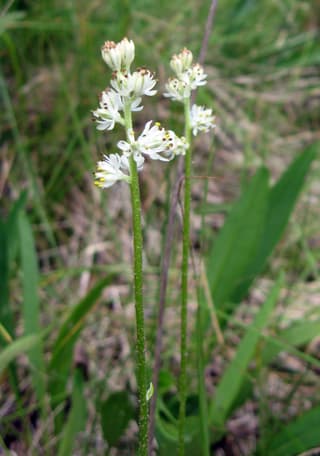
| Sticky false asphodel | Hard | Bright indirect | 1d | ✓ |
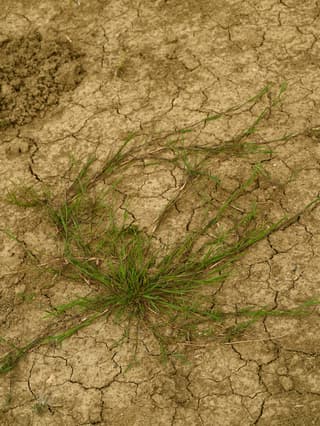
| Creeping bentgrass | Hard | Direct sun | 3d | ✓ |
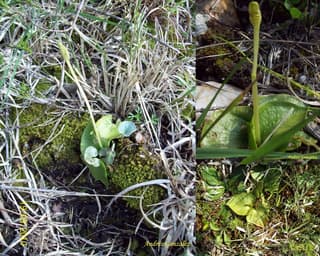
| Bulbous Adder's-tongue | Hard | Partial shade | 4d | ✓ |
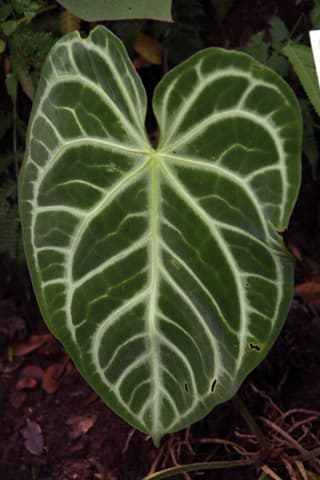
| Crystal Anthurium | Hard | Partial shade | 7d | ⚠️ |