Rosaceae
Glaucous Dog Rose: Edible Plant
Rosa dumalis
Plant in full sun to light shade in well-drained soil; water deeply when the topsoil dries and prune lightly in late winter to maintain shape. Established plants are hardy and low-maintenance, tolerating a wide range of soils.
Every 7 days
Bright indirect
-15° - 35°C
% - %
Categories
What is Glaucous Dog Rose?
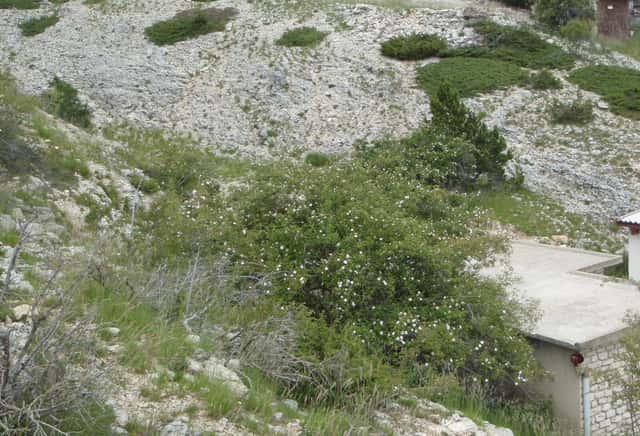
Glaucous Dog Rose (Rosa dumalis) is a medium-care plant from the Rosaceae family. Rosa dumalis, the glaucous dog rose, is a deciduous shrub native to Europe and parts of Western Asia, growing 1-2 m tall with arching, thorny stems. Its blue-green (glaucous) foliage and fragrant pink flowers, blooming from spring into summer, are followed by bright red hips rich in vitamin C. Close...
Glaucous Dog Rose grows up to 2.0m, watering every 7 days, -15°C – 35°C. It is not suitable for indoor environments and safe for pets.
Unlike many popular species, Glaucous Dog Rose is safe to keep around pets.
How to Care for Glaucous Dog Rose?
TLDR: Glaucous Dog Rose needs Bright indirect, watering every 7 days, and temperatures between -15-35°C with 40-70% humidity.
How Often Should You Water Glaucous Dog Rose?
Water deeply when the top 5 cm of soil feels dry, then let it drain; avoid waterlogging, which invites root rot.
How Much Light Does Glaucous Dog Rose Need?
Give it full sun for the best flowering; it tolerates light shade in hot climates but blooms less.
What Is the Best Soil for Glaucous Dog Rose?
Grows well in sandy, loamy, or clay soils as long as they are well-drained; prefers a circumneutral pH (mildly acid to mildly alkaline).
What Pot Should You Use for Glaucous Dog Rose?
Best grown directly in the ground as a hedging or specimen shrub; if container growing is necessary, use a large pot (40+ L) with excellent drainage.
What Is Glaucous Dog Rose and Where Does It Come From?
Rosa dumalis, the glaucous dog rose, is a deciduous shrub native to Europe and parts of Western Asia, growing 1-2 m tall with arching, thorny stems. Its blue-green (glaucous) foliage and fragrant pink flowers, blooming from spring into summer, are followed by bright red hips rich in vitamin C. Closely related to the common dog rose (Rosa canina), it thrives in hedgerows, scrubland, and woodland edges across its native range.
How to Propagate Glaucous Dog Rose?
Seed sowing
Stratification is essential; sown seed often needs a full winter (or two) of cold before it will germinate.
- 1 Collect ripe hips in autumn and extract the seeds
- 2 Cold-stratify seeds outdoors or in a fridge over winter
- 3 Sow in free-draining seed compost and keep in a cold frame
- 4 Be patient - germination can take up to two years
Materials needed:
Semi-ripe cuttings
Mature (hardwood) cuttings taken in autumn also root well outdoors over winter.
- 1 Take semi-ripe (half-woody) cuttings about 15 cm long in July
- 2 Remove lower leaves and dip the cut end in rooting hormone
- 3 Insert into free-draining cutting compost
- 4 Keep humid and shaded until roots form
Materials needed:
How Big Does Glaucous Dog Rose Grow?
TLDR: Glaucous Dog Rose can reach up to 2.0m tall with Fast growth rate.
Max height
2.0m
Growth rate
Fast
Foliage
Deciduous
Warning: Toxic Plant
This plant can be toxic if ingested. Keep out of reach of:
Plant Uses
Ornamental
Great for decoration
Edible
Can be consumed
Medicinal
Medicinal properties
Medicinal Uses
- Rose hips are a rich source of vitamin C and have traditionally been used in teas and syrups to support immunity
Culinary Uses
- Ripe hips can be made into syrups, jams, teas, and jellies (deseed carefully, as the fine hairs around the seeds are irritating)
Is your plant showing symptoms?
Click on the symptom to discover possible causes:
What Diseases Commonly Affect Glaucous Dog Rose?
TLDR: Glaucous Dog Rose is susceptible to 6 known diseases. Monitor regularly for early detection.
Black Spot
Black spot is the most serious fungal disease affecting roses, caused by the fungus Diplocarpon rosae. It is characterized by dark circular spots on leaves that progress to yellowing and premature leaf drop. The disease thrives in humid and cool conditions, especially early in the growing season.
Powdery Mildew
Powdery mildew is a common fungal disease caused by various fungi species including Erysiphe, Podosphaera, Oïdium, and Leveillula. It affects over 10,000 plant species worldwide. The disease thrives in warm, dry climates with high humidity and appears as a distinctive white powdery coating on plant surfaces.
Rust
Rust is a common fungal disease caused by fungi in the order Pucciniales that affects a wide variety of plants. The disease gets its name from the characteristic orange, yellow, or reddish-brown pustules that appear on leaves, resembling metal rust. This obligate fungal parasite requires living plants to survive and can cause significant economic losses in agricultural crops.
Aphids
Aphids are small, soft-bodied, pear-shaped insects (1/16 to 1/8 inch long) that feed by sucking nutrient-rich sap from plants. They reproduce rapidly and can quickly weaken plants, causing distorted growth and transmitting plant viruses. Aphids come in various colors including green, black, red, yellow, brown, and gray. They secrete honeydew, a sticky substance that attracts ants and encourages sooty mold growth.
Meaning & Symbolism
In European folklore and heraldry, wild roses such as the dog rose symbolize love, beauty, and simplicity; it was the stylised rose of medieval heraldry and remains the county flower of Hampshire, England.
Compare with similar plants
| Attribute | Difficulty | Light | Watering | Pet Safe |
|---|---|---|---|---|
| Dark Fieldcap | Medium | Low light | 2d | ⚠️ |
| Azalea | Medium | Partial shade | 3d | ⚠️ |
| Muriel's Bamboo | Medium | Partial shade | 3d | ✓ |
| Bougainvillea | Medium | Direct sun | 7d | ⚠️ |




